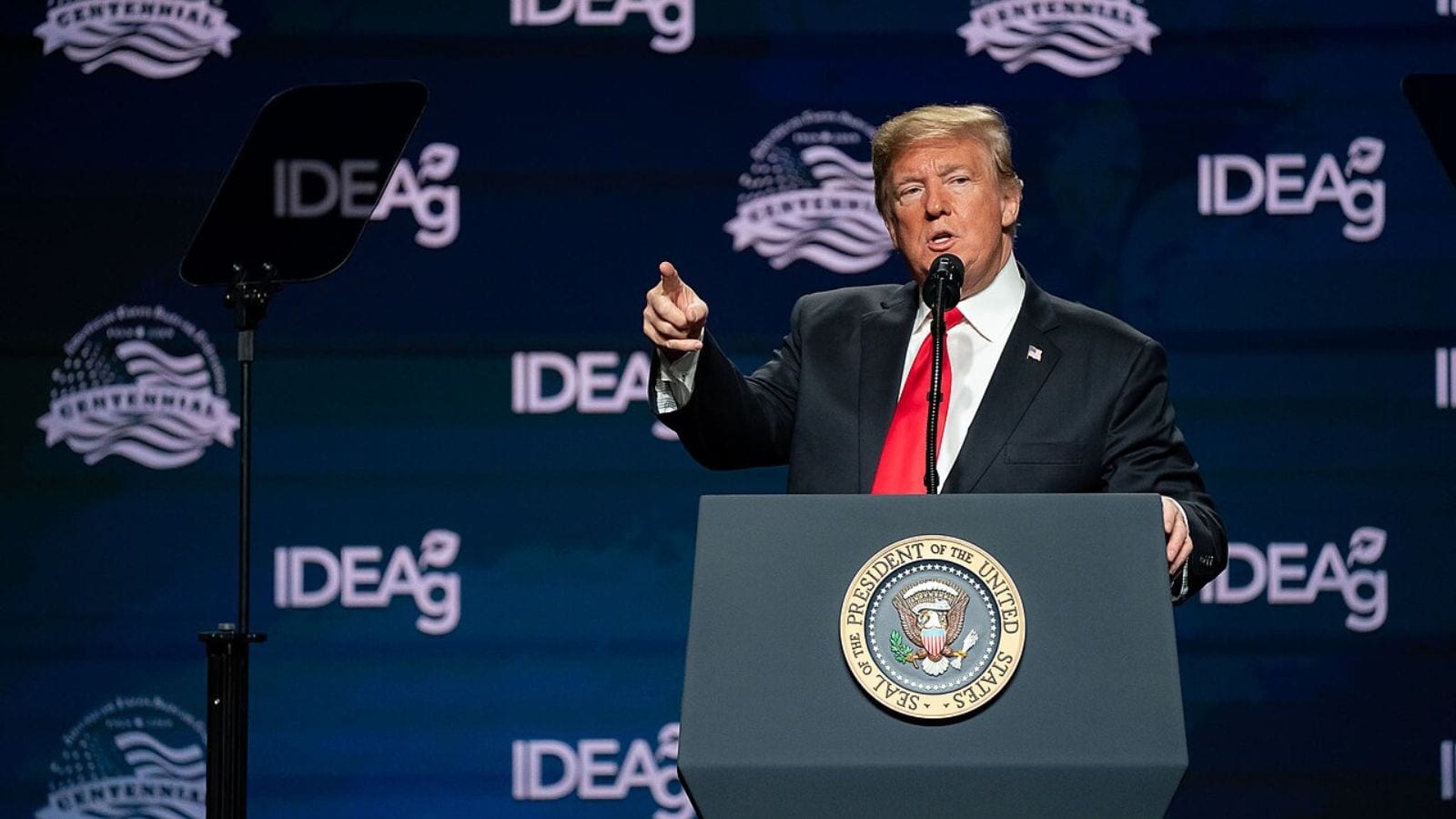
The media has found its new security blanket. Every headline points to the same comforting metric for the political opposition: a Reuters and Ipsos poll pegging Donald Trump at a thirty-three percent approval rating. Pundits look at that number, nod with grave institutional wisdom, and write off the Republican majority ahead of the midterm elections.
They are falling for the exact same trap they built in 2016, 2020, and 2024. Expanding on this idea, you can also read: Catastrophic Hydraulic Failure In The Himalayas The Structural Mechanics Of The Nepal China Border Floods.
Polling obsession is a disease of Washington consultants who cannot comprehend a political reality that exists outside their spreadsheets. When they see forty-six percent of self-identified Democrats claiming they are very enthusiastic about voting compared to just thirty-one percent of Republicans, they pop the champagne. They assume raw emotional venting inside a four-day survey translates cleanly into ballot box supremacy.
It does not. Observers at NBC News have shared their thoughts on this situation.
Let us look at the mechanics of what is actually happening. The establishment consensus rests on two pillars of conventional wisdom: that persistent inflation and the ongoing conflict in Iran are dragging down the executive brand, and that low overall approval equals structural wipeout for down-ballot conservatives. Both assumptions ignore how modern voter behavior operates.
Voters do not cast ballots for a president’s composite approval score when midterms roll around. They vote against a perceived alternative.
When pollsters ask if people approve of how the administration is handling the cost of living, seventy percent say no. That is a brutal headline. But ask those same respondents if they trust the legislative opposition to fix structural economic fissures, and the historic enthusiasm advantage evaporates into tribal distrust. Dissatisfaction with the status quo is not an automatic transfer of affection to the other side. It is a generalized ambient rage directed at the entire machinery of government.
The lazy consensus treats presidential approval as a ceiling and a floor for congressional candidates. History laughs at that model. In polarized legislative districts, national figures are ambient noise compared to local candidate branding, district-level gerrymandering, and operational ground games. A voter can loathe foreign policy outcomes in the Middle East and still pull the lever for a local incumbent because their grocery prices or community safety concerns feel tied to local legislative battles.
Consider the enthusiasm gap that the mainstream loves to trumpet. High-propensity core partisans on the left are always loud. They live in a permanent state of mobilization. Measuring their emotional temperature via automated phone banks or online panels misses the asymmetrical enthusiasm that burns quietly on the right. Discontented voters do not need to love a president to protect a legislative firewall. They just need to fear the alternative more than they dislike the incumbent.
The media wants a simple narrative: sinking poll numbers equal a blue wave. That is a comforting fantasy for desks in Manhattan and Washington, but it mistakes a referendum on macro-economic pain for an ideological conversion. People are squeezed by inflation, yes. Gas prices are painful. Foreign entanglements are unpopular. None of these realities mean the electorate has suddenly embraced progressive governance.
Stop reading top-line approval numbers as tea leaves. Look at the structural map. Look at the actual district contests where money and ground infrastructure dictate reality. Until the opposition builds an economic platform that convinces working-class skeptics they have a better plan than grievance, thirty-three percent approval ratings are just numbers on a screen, signifying nothing when the boxes actually open.
This brief video clip highlights the news cycle surrounding recent polling drops.