Federal agents showing up at a reporter’s house with a grand jury subpoena isn't normal. It's an escalation that signals a massive shift in how the White House deals with the press.
When the Department of Justice issued subpoenas to four prominent New York Times journalists—Julian E. Barnes, Eric Lipton, Tyler Pager, and Eric Schmitt—it wasn't just a routine investigation. It was a direct consequence of a reporting sequence that laid bare some serious vulnerabilities regarding the president's new plane.
To understand why the administration took such drastic measures, you have to look at the exact timeline and the specific national security secrets that leaked out.
The Mid-Air Plane Swap in the Middle of a Crisis
The whole situation started with a bizarre logistical maneuver during the president's recent trip to Europe.
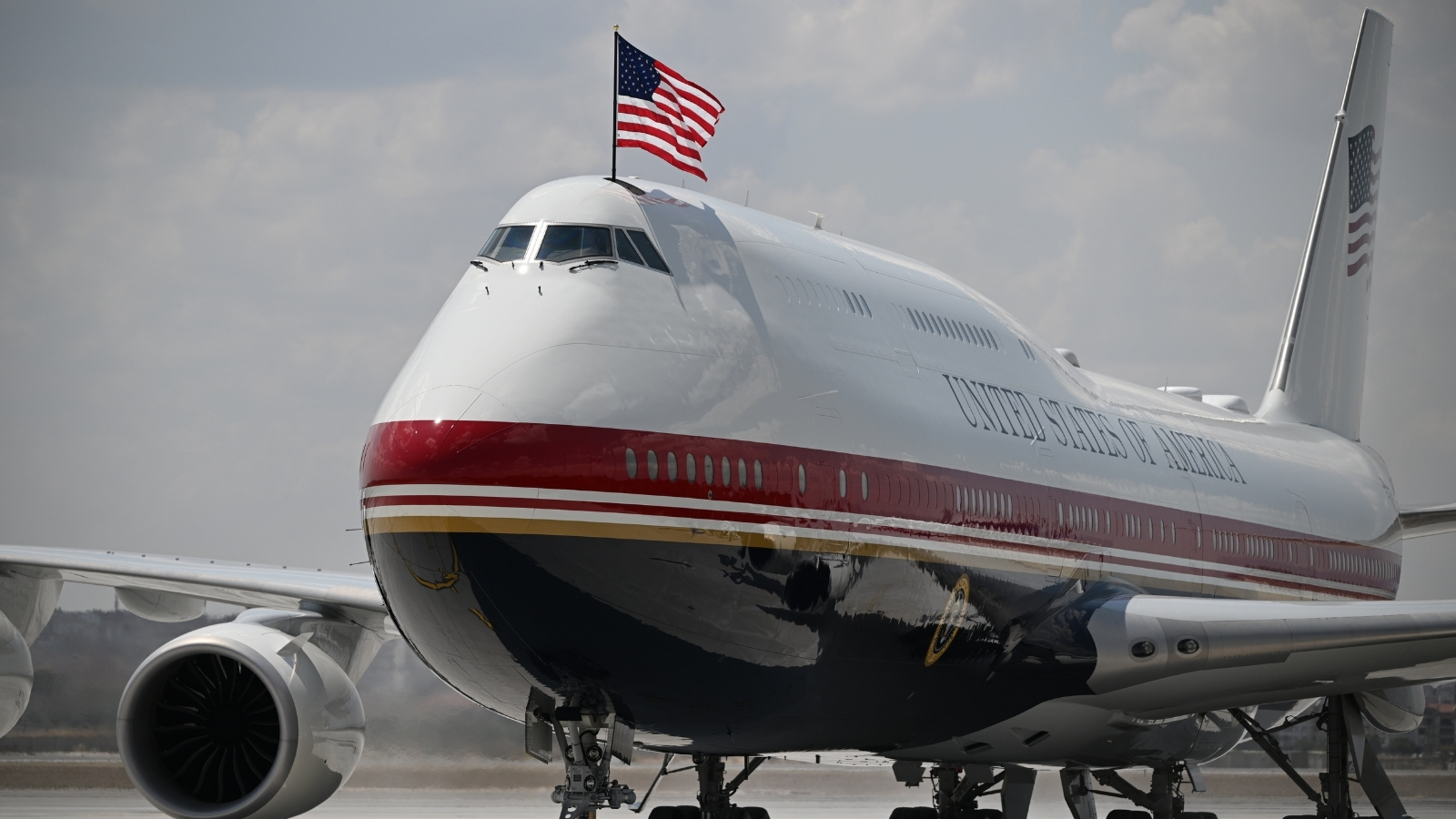
He flew out to a high-stakes NATO summit in Ankara, Turkey, on his newly minted Air Force One. This specific plane is a Boeing 747-8 that was gifted to him by Qatar and recently underwent a massive $400 million retrofit. It had only been in service for a week.
But when it came time to depart Turkey for RAF Mildenhall in England, things got weird.
Instead of taking the new jet, the president boarded one of the older-model Air Force One planes. Both aircraft actually flew to England, and he only got back on the newer plane for the final leg home to Maryland.
The timing couldn't have been worse. The fragile ceasefire between the U.S. and Iran had just collapsed. Washington was launching airstrikes, and Tehran was retaliating against Gulf Arab states. Given that Turkey shares a border with Iran, the sudden switch raised immediate red flags.
The Times published a story explaining that the Secret Service had actively pushed for the plane swap due to security anxieties. They followed up with an even more damaging report. The new $400 million Qatari-gifted jet apparently lacked the sophisticated anti-missile defense systems and electronic countermeasures that are built into the older presidential fleet.
Why the Leak Infuriated the White House
The administration’s fury isn't just about bad public relations. It's about tactical vulnerability.
If you tell the world that the president of the United States is flying in an aircraft that lacks critical defensive countermeasures during a hot military crisis with Iran, you are essentially hand-delivering a tactical roadmap to foreign intelligence agencies.
The White House immediately went into damage control mode. Press spokesman Steven Cheung dismissed the security concerns, claiming the aircraft is state-of-the-art and possesses high-level protocols to protect the president. He even admitted that the administration uses "distraction and misdirection" as a defensive tool.
The president brushed it off during his press conference, stating he faces threats constantly and is always at the top of the list for hostile nations. He claimed the detour to England was just a morale booster so American service members could check out the new plane.
But behind the scenes, the mechanics of the justice system were already moving. The FBI reportedly reached out to the newspaper before publication, requesting they hold the story due to national security. The editors ran it anyway.
The Legal Trap for Journalists
The subpoenas were issued out of the Southern District of New York by U.S. Attorney Jay Clayton. They command the four reporters to testify before a federal grand jury in Manhattan.
The official paperwork says the journalists must testify regarding an alleged violation of criminal law. They don't spell out the exact statute, but it's clear the government is hunting for the anonymous sources inside the administration who leaked the operational limits of the presidential aircraft.
This sets up a dangerous legal showdown. Journalists rely heavily on confidential sources to break stories that the government wants to keep hidden. If reporters are forced to reveal their sources under oath, those sources dry up, and the public loses insight into the inner workings of government.
David McCraw, the top lawyer for the newspaper, called the move a brazen act of intimidation designed to stop journalists from doing their jobs.
It's not the first time this year the administration has flirted with this line. Subpoenas were previously issued to reporters at The Washington Post and The Wall Street Journal, though those were eventually withdrawn. This time, with federal agents showing up directly at journalists' homes to hand over the paperwork, the administration appears ready to push the issue to the limit.
What Happens Next
If you are tracking this story, the real battle begins on Wednesday when the reporters are scheduled to appear before the grand jury.
The journalists will almost certainly fight the subpoenas in court, filing motions to quash them based on First Amendment protections. The legal fight will center on whether the government has a compelling interest that overrides freedom of the press, and whether they have exhausted all other ways to find the leaker before targeting the media.
If the courts side with the government and the reporters still refuse to testify or name their sources, they could face contempt of court charges, which can carry hefty fines or even jail time.
Keep a close eye on the court filings in Manhattan over the next 48 hours. The outcome of this specific case will set a massive precedent for how much national security reporting the press can safely do without facing criminal exposure.
Several New York Times journalists reportedly issued subpoenas after Air Force One reporting
This video provides the direct broadcast coverage and breaking news details regarding the federal agents delivering subpoenas to the reporters' homes.