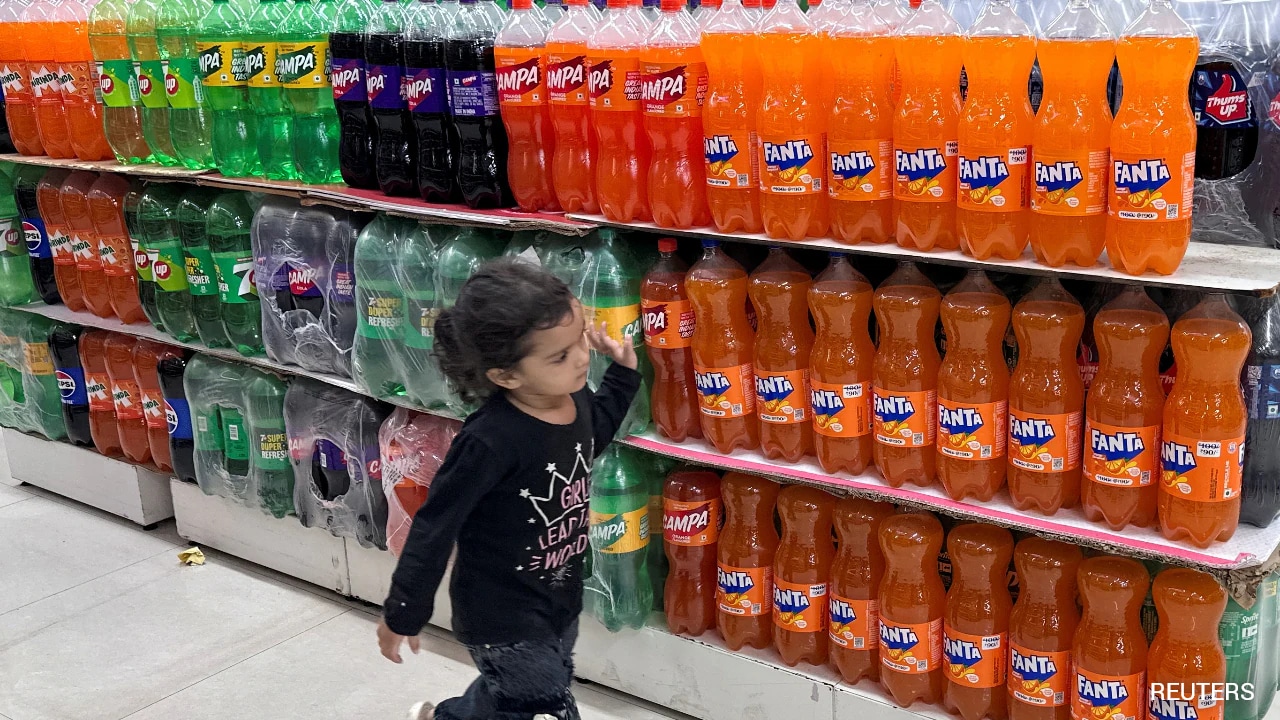
Grab a can of Fanta in London, and you are drinking a beverage containing roughly 63 calories. Grab the exact same brand name in New Delhi, and you are staring down a recipe loaded with roughly three times that much sugar. Multinational food corporations love to preach uniform global quality, but their actual ingredient lists tell a completely different story.
When investigative reports recently highlighted these massive nutritional discrepancies across borders, consumers were understandably furious. But if you look past the corporate PR statements, the reason for this split is simple math driven by public policy. Companies do not reformulate their drinks out of the goodness of their hearts. They do it because governments hit them where it hurts.
The Cold Drink Tax Reality
The stark difference in Fanta's sugar content comes down to financial pressure. In the United Kingdom, regulators implemented the Soft Drinks Industry Levy—widely known as the cold drink tax. This policy penalizes manufacturers based on the amount of sugar packed into their beverages.
Exceed a specific threshold per 100 milliliters, and your tax liability skyrockets. Drop below it by substituting sugar with alternative sweeteners, and you save millions.
Food safety educators note that this structure creates an unavoidable economic incentive. When keeping high sugar levels costs a company a fortune in compliance fees, they will change the recipe overnight. That is precisely why a British can of Fanta tastes different and carries a lighter nutritional load.
Why India Gets the Heavy Pour
India lacks an equivalent punitive tax structure targeting high-sugar beverages. Without that direct fiscal penalty, soft drink giants face zero financial motivation to lower sugar levels on their own initiative.
Corporate accountability rarely survives when profits are on the line. If a market allows cheap, high-sugar formulations without penalty, companies will happily maximize sweetness to match local palate preferences.
The issue extends far beyond a single orange soda. Comparative analyses of everyday grocery items show a recurring pattern. Instant noodles and chocolate bars sold by the exact same global brands often feature cheaper oils, higher sodium content, and heavier sweetening agents in developing markets compared to Western Europe or Australia.
The Labeling Battleground
The disparity goes beyond what is inside the drink. It affects how warnings are communicated to the public.
In various European markets, regulatory frameworks mandate clear, prominent notices regarding artificial dyes and high content thresholds. In contrast, identical products sold in India often relegate critical health disclaimers to microscopic fine print on the back of the container.
Public health advocates have spent years pushing the Food Safety and Standards Authority of India to adopt aggressive front-of-pack warning labels, such as color-coded or clear textual alerts for items packed with excess sugar, salt, and saturated fats.
Major food industry executives have consistently pushed back against these proposals. During high-stakes regulatory meetings, corporate representatives argued that warning symbols are overly simplistic and ineffective at changing dietary habits. They successfully lobbied to water down sweeping interpretive labeling mandates, leaving consumers to rely on dense nutritional tables hidden away on the rear packaging.
Protecting Your Health at the Supermarket Shelf
You cannot rely on multinational brands to voluntarily offer you the healthier version of a product across every country. Corporate strategy adapts strictly to local legal minimums.
Stop assuming that an international logo guarantees identical nutritional standards. Take control of your shopping habits by flipping the package over and reading the actual gram measurements for sugar per serving, rather than trusting front-of-box marketing imagery. Support local or imported alternatives that maintain cleaner ingredient lists, and push for stricter domestic transparency policies that treat every consumer with equal regard.