The Federal Reserve is trapped in an identity crisis. If you think the path of the US economy is obvious, you aren't paying attention to the people running it.
Minutes from the June Federal Open Market Committee meeting show a central bank completely fractured. Officials voted unanimously to keep the benchmark interest rate steady at a range of 3.5% to 3.75%, but that consensus was pure theater. Behind closed doors, the 19 policymakers are split right down the middle on where prices are headed.
The baseline reality is uncomfortable. Inflation sat at a three-year high of 4.2% in May, missing the central bank's 2% target for the fifth straight year. Under new Fed Chair Kevin Warsh, the committee is facing a weird cocktail of geopolitical shocks, trade policy friction, and an artificial intelligence infrastructure boom that acts like an economic furnace. Half of the officials expect rates to stay flat or drop by December. The other half believe the Fed will have to raise rates to keep the economy from overheating.
Here is what is actually driving this internal civil war.
The Massive AI Infrastructure Bill is Feeding Inflation
Economists usually blame inflation on things like wars, wages, or oil. This time, the central bank is looking closely at Silicon Valley.
A significant block of Fed officials pointed out that the relentless buildout of artificial intelligence infrastructure is keeping upward pressure on prices. Tech giants are throwing billions into data centers, creating intense competition for a limited supply of semiconductors, specialized hardware, and computer equipment.
It isn't just about microchips. Data centers eat massive amounts of electricity. This surging industrial power demand is keeping utility costs high across the country, creating an inflationary floor that traditional rate hikes struggle to fix. We are already seeing the trickle-down impact on retail consumer technology. Apple recently pushed prices higher for certain laptops and iPads, directly blaming the rising costs of memory chips.
When technology—historically a deflationary force that makes things cheaper—starts driving prices up, the old Fed playbook stops working.
War and Tariffs are Warping the Data
The other big argument inside the FOMC revolves around how long recent supply shocks will stick around. Those who believe inflation will cool naturally are banking on a swift resolution to global trade disruptions.
The military conflict involving Iran pushed energy and gas prices to painful highs earlier this spring. While those energy pressures have eased slightly, the geopolitical premium remains baked into supply chains. Add the current administration's aggressive import tariffs into the mix, and businesses face higher costs at every step of production.
The dovish camp at the Fed argues that these forces are temporary. Their theory is simple: once the geopolitical friction slows and supply chains adjust to the new tariff rules, consumer prices will drift down toward the 2% target.
But the hawkish faction isn't buying it. They worry that relying on things to just "settle down" ignores a much larger danger: consumer psychology.
The Psychology of High Prices is Hardening
The Fed's biggest fear isn't a temporary spike in gas prices. It's that Americans are getting used to inflation.
Data from the Federal Reserve Bank of New York shows consumer inflation expectations for the year ahead jumped to 3.7%, a three-year peak. Even more worrying, three-year inflation expectations climbed to 3.3%.
When regular people and business owners expect things to get more expensive, it becomes a self-fulfilling prophecy. Companies raise prices because they anticipate higher wholesale costs. Workers demand bigger raises to protect their purchasing power. Once that cycle takes root, it takes a massive economic slowdown to break it.
The Policy Shift Under Kevin Warsh
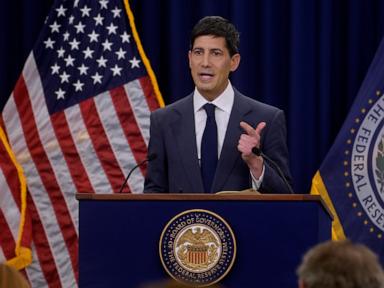
This meeting was the first real look at how the Fed operates under Kevin Warsh, who took over after Jerome Powell's term ended in May. President Trump spent years complaining that Powell kept interest rates too high, but anyone expecting Warsh to immediately slash rates has been proven wrong.
Warsh didn't even submit a formal interest rate forecast for this meeting. He doesn't like economic dot plots because he thinks they lock policymakers into a rigid path. Instead, he stripped the traditional forward guidance language right out of the Fed statement, cutting its length by two-thirds.
By eliminating hints about future rate cuts, Warsh is keeping his options open. During his June press conference, he made it clear that the Fed will bring inflation back to 2%, full stop. Wall Street took that as a warning that rate hikes are firmly back on the table if summer data comes in hot.
What You Need to Do Right Now
The era of predictable, steady interest rate cuts is over for now. The central bank is split, and policy will change fast based on monthly data. If you are managing corporate budgets, personal debt, or investment portfolios, you need to shift your strategy immediately.
- Lock in borrowing costs early: Don't wait around for the Fed to save you with lower rates. If you need to refinance corporate debt or take out a commercial loan, secure fixed terms now. Half the Fed is actively pushing for a rate hike before the year ends.
- Factor tech and energy volatility into budgets: If your business relies heavily on hardware procurement, IT infrastructure, or heavy electricity consumption, assume your costs will rise. The AI boom is actively bidding up these resources.
- Watch the next inflation report: The June Consumer Price Index data drops next week. If it doesn't show a sharp drop following the dip in energy prices, expect the hawkish faction of the Fed to gain leverage, making a late-year rate hike highly probable.
Fed Minutes Reveal Growing Divide on Interest Rates
This analysis provides a deeper look at the internal arguments among regional Fed presidents and explains why the changing statement language matters for business planning.