Football fans love a good superstition. Give them a winning streak and they will credit anything from an unwashed pair of socks to a psychic cephalopod. Right now, Mexico is completely swept up in World Cup fever, and their latest obsession isn't a superstar striker. It's a two-year-old Muscovy duck named Merlin.
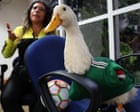
Dressed in a miniature green El Tri jersey and custom-made booties designed to protect his webbed feet from the concrete, Merlin has become the defining viral sensation of the 2026 World Cup. He has visited the presidential palace, hung out at the Netflix offices, and sparked a massive fan campaign to get him into the Estadio Azteca for Mexico's crucial match against Czechia.
But when Merlin and his owners arrived at the stadium gates on Wednesday, FIFA officials stepped in and drew a hard line. Merlin was allowed onto the grounds to film a pre-match television segment with Televisa, but he was strictly barred from entering the stadium itself to watch the game.
The internet instantly erupted in outrage. Fans accused FIFA of being joyless bureaucrats ruining a wholesome moment. But if you look past the adorable photos and the hype, FIFA absolutely made the correct call.
The Reality of Stadium Environments for Animals
It's easy to get caught up in the romance of a lucky charm, but a modern World Cup stadium is a hostile environment for any animal. The Estadio Azteca holds over 80,000 screaming people.
Think about the sensory overload. The deafening roar after a goal, the exploding pyrotechnics, the blinding flashbulbs, and the plastic cups raining down from the stands. For a human, it's an adrenaline rush. For a bird, it's a terrifying, inescapable nightmare.
Birds have incredibly sensitive hearing and are highly susceptible to stress. Forcing a duck to sit through 90 minutes of chaotic stadium noise just for a social media photo op is flat-out cruel. FIFA regulations explicitly prohibit animals from entering tournament venues specifically to safeguard their well-being. It's a rare instance of football's governing body putting ethics ahead of a massive marketing opportunity.
The Accidental Icon of Mexico City
Merlin’s rise to fame wasn't engineered by a corporate PR team. His owner, Carla Gómez, makes a living selling soft drinks and bottled water from a street cart in Mexico City. She and her son Cristian didn't want to leave their pet duck home alone during long work shifts, so they brought him along on the cart.
When Mexico defeated South Africa in their opening match, the family joined the massive street celebrations at the Ángel de la Independencia. Merlin, wearing his little green jersey, became an overnight icon.
Merlin's Typical Weekly Routine:
- Rides along on the family drink cart during work hours
- Wears protective socks that resemble tiny soccer boots
- Consumes a balanced diet of duck pellets, fruit, and vegetables
- Enjoys a single carnitas taco once a week as a special treat
His popularity exploded so fast that Gómez had to fight off predatory trademark applications from opportunists trying to lock down the commercial rights to the duck's name. Thankfully, the registration was rightfully granted to Gómez, who has already turned down lucrative cash offers to sell her beloved family pet.
Navigating the Myth of the Lucky Charm
This isn't the first time the football world has latched onto a creature. The standard was set back in 2010 with Paul the Octopus, the German aquarium resident who miraculously predicted match outcomes. Since then, we've seen everything from psychic camels to prognosticating meerkats.
The difference is that those animals remained in controlled environments. They weren't being packed into crates and carried into the middle of the world's loudest sporting events.
While Merlin’s cultural connection runs deep—Muscovy ducks were domesticated by the Aztecs and hold historic significance in Mexico—treating a living creature like a plastic novelty item crosses a line. Gómez herself acknowledged the reality of the situation, expressing immense gratitude for the love Merlin has received while accepting the stadium ban gracefully. Even without Merlin in the stands, she remained confident his good vibes would carry El Tri through the match.
How to Support Your Team Without Exploiting Pets
If you're a fan wanting to channel some of Merlin's viral energy for the rest of the World Cup, do it without putting your own pets in stressful situations.
- Buy the merch, leave the animal: Stick to human-sized duck hats and fan art rather than trying to dress up and parade your own local wildlife.
- Keep pets at home during match days: If you're hosting a loud watch party with friends or heading to a crowded public fan zone, leave your dogs, cats, and birds in a quiet, safe room.
- Respect venue guidelines: Stadium bans on animals exist for a reason. Don't try to sneak emotional support animals or pets into spaces where they don't belong.
Merlin can still be the hero of Mexico's World Cup run from the comfort of a quiet room, far away from the deafening speakers of the Azteca. Let the duck rest. He has already worked hard enough.