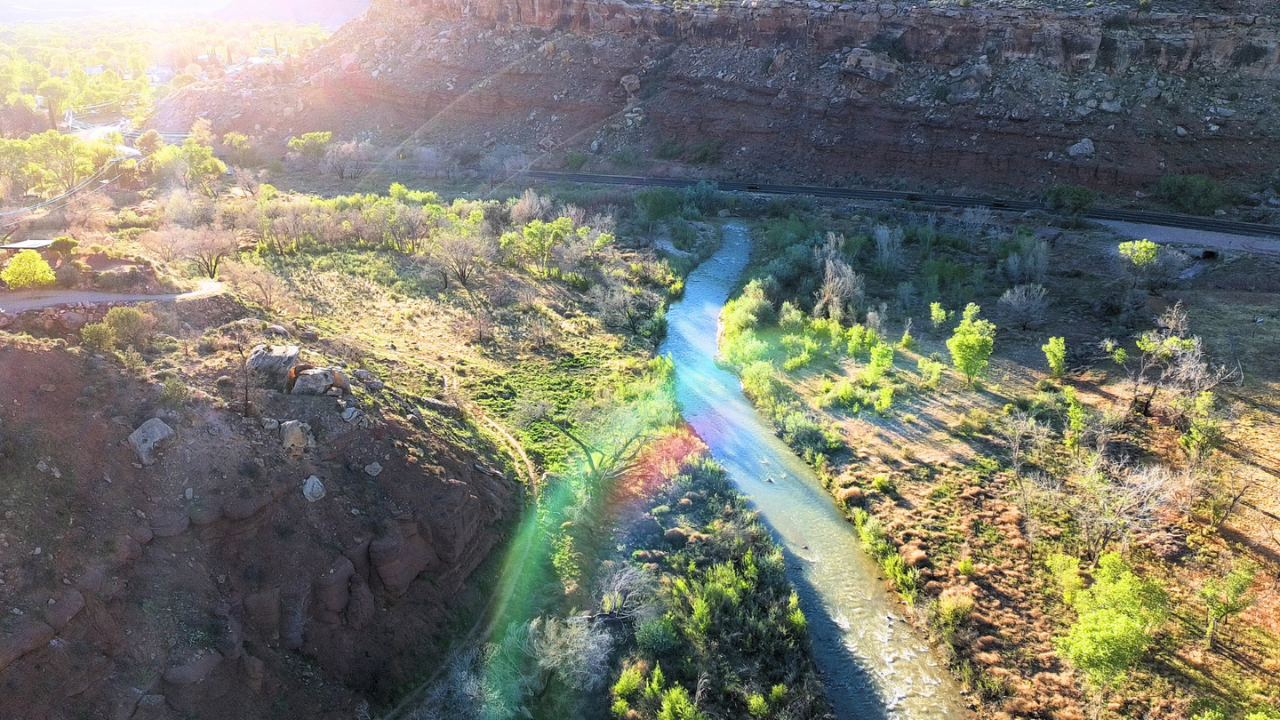
For centuries, humans have tried to force rivers to behave. We straightened them, deepened them, and penned them into neat little ditches like plumbing fixtures. It felt orderly. It felt controlled. It was also an ecological disaster.
On the National Trust's Holnicote Estate in West Somerset, conservationists did something radical. They filled in a 1.2-kilometre stretch of the River Aller. They didn't divert it or clean it. They buried it, forcing the trapped water out of its deep channel and back onto its natural floodplain.
The results completely shattered standard expectations of land management. Instead of causing chaos, letting the river break free transformed a sterile ditch into a thriving wetland that acts like a massive sponge.
The Stage Zero Approach to River Restoration
The technique used here is known as Stage 0 river restoration, an approach first tested in Oregon and brought over to the UK. Traditional conservation usually involves tinkering at the edges of a damaged ecosystem. Stage 0 hits the reset button.
By filling the man-made channel with soil scraped from nearby ground, the project team allowed water to spread out across a wide area instead of rushing through a single pipe-like conduit. The wetted footprint expanded dramatically.
The timing of the project was brutal. Shortly after completion, England endured its wettest 18-month period on record. Critics might have predicted catastrophic flooding. Instead, the landscape soaked up the deluge. Water movement slowed down significantly, peak flood levels dropped, and sediment stayed trapped on-site rather than choking downstream communities.
The river stopped acting like a firehose and started acting like a sponge.
When You Build It, They Actually Come
Ecologists often talk about biodiversity gains in modest percentages. What happened along the River Aller defies normal metrics. Aquatic habitats expanded by nearly 1,800 percent within a remarkably short window.
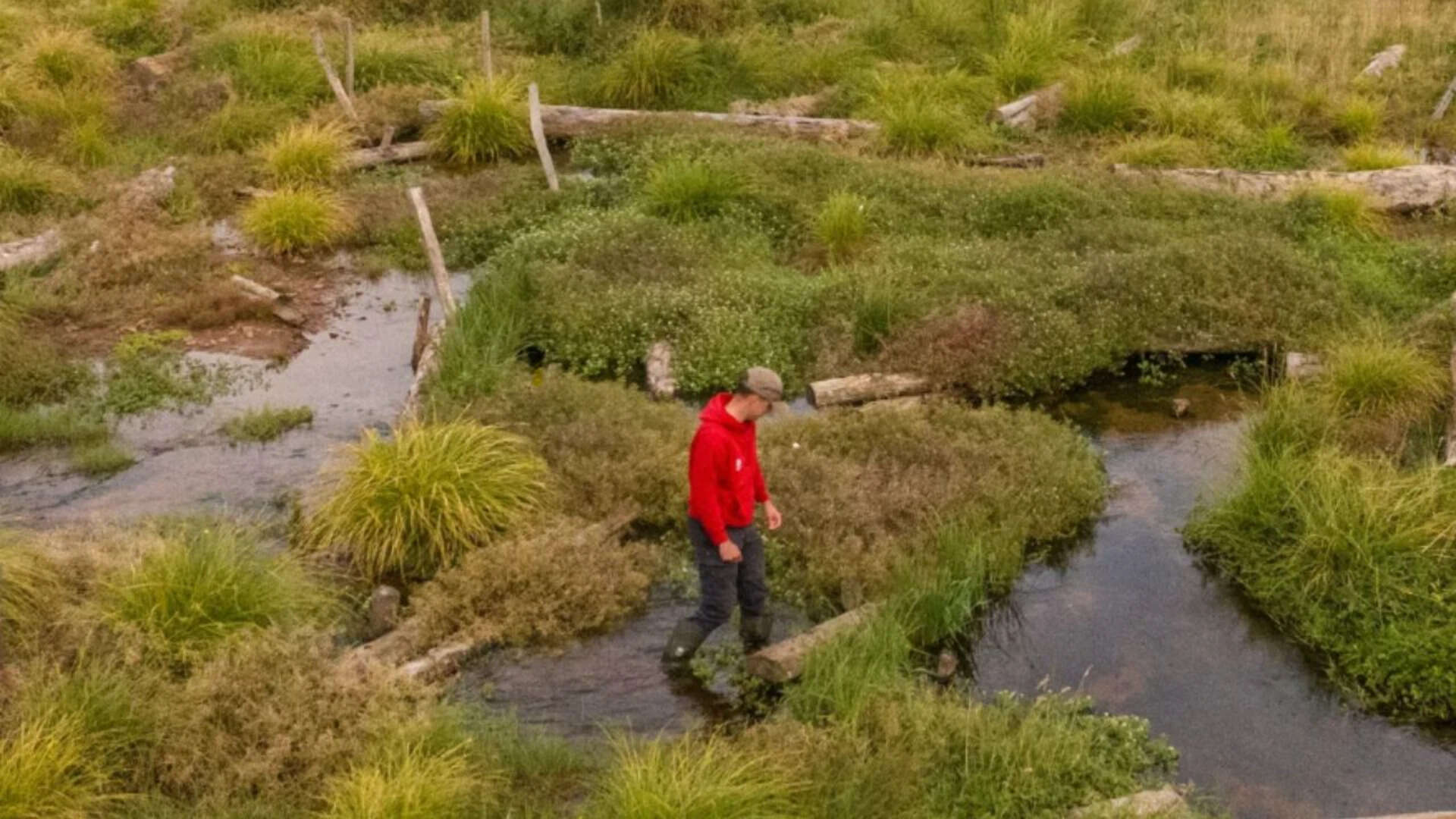
A tidy, uniform stream turned into a messy, complex jumble of shallow pools, gravel beds, slow-moving boggy patches, and braided channels. Nature loves a mess.
Wildlife responded almost overnight. Plants like Greater Tussock sedge shot up past head height, while thousands of wild carrots and native wildflowers carpeted the damp ground to feed an army of pollinators. Insect numbers exploded so aggressively that swallows and swifts formed feeding frenzies, darting across the wetlands in massive swarms.
Water voles, which were previously clinging to the margins of the site, established a dense population right in the middle of the new wetland. Eels, lamprey, and wild trout found refuge in the newly created gravel riffles and slow backwaters. Even rare visitors like the black-crowned night heron started showing up, turning a local drainage fix into a nationally recognized wildlife haven.
What This Means for the Future of Conservation
We have lost roughly 90 percent of our wetland habitats over the past few centuries. Most restoration projects try to manage this decline with minimal intervention, building artificial ponds or installing small wooden dams that require constant maintenance.
Holnicote proves that sometimes the best thing we can do is get out of the way.
When you reconnect a river to its valley floor, the ecosystem self-heals. It manages extreme weather better than engineered flood defenses. It filters pollutants naturally. It creates resilient microclimates that protect species during severe summer droughts.
If you own land or work in environmental management, stop micro-managing water systems. Look for opportunities to break the straight lines, remove redundant embankments, and let rivers reclaim their historical floodplains. The upfront work takes grit, but the natural world knows exactly how to handle the rest.