The sun over the Red Sea does not just shine. It weighs on you. It is a heavy, gold blanket that smells of salt and ancient dust, the kind of heat that makes the horizon shimmer until the land and sky trade places. In the coastal resorts of Egypt, this heat is what tourists pay for. They come from the grey, damp winters of Northern Europe to sit in the light, to watch the turquoise water, and to witness the "exotic" wonders promised by glossy brochures.
Among them was a man from Germany. He was 61 years old, a time of life when a person usually feels they have seen enough of the world to understand its boundaries. He sat in a crowd, surrounded by the rhythmic clapping of a street performance. There was music—the piercing, nasal drone of a flute—and the smell of incense mixing with the scent of sun-baked sand. Don't miss our previous article on this related article.
Then came the snake.
It was part of the spectacle, a creature of myth pulled into the glare of a modern afternoon. For the crowd, it was a thrill. For the man, it became a nightmare so intimate it defies the scale of a standard news report. To read more about the history here, Travel + Leisure provides an excellent summary.
The Illusion of Control
We travel because we want to touch the edge of the unknown, but we do so under the unspoken assumption that the edge is blunted. We walk through spice markets, climb crumbling ruins, and watch animal handlers wrestle predators, all while wrapped in the invisible safety net of our own expectations. We assume that because we paid for the ticket, the danger is choreographed.
The snake charmer’s art is built entirely on this tension. It is a dance of perceived dominance. But a serpent does not recognize a contract. It does not understand the concept of a "show." It only understands vibration, heat, and the sudden, suffocating constriction of space.
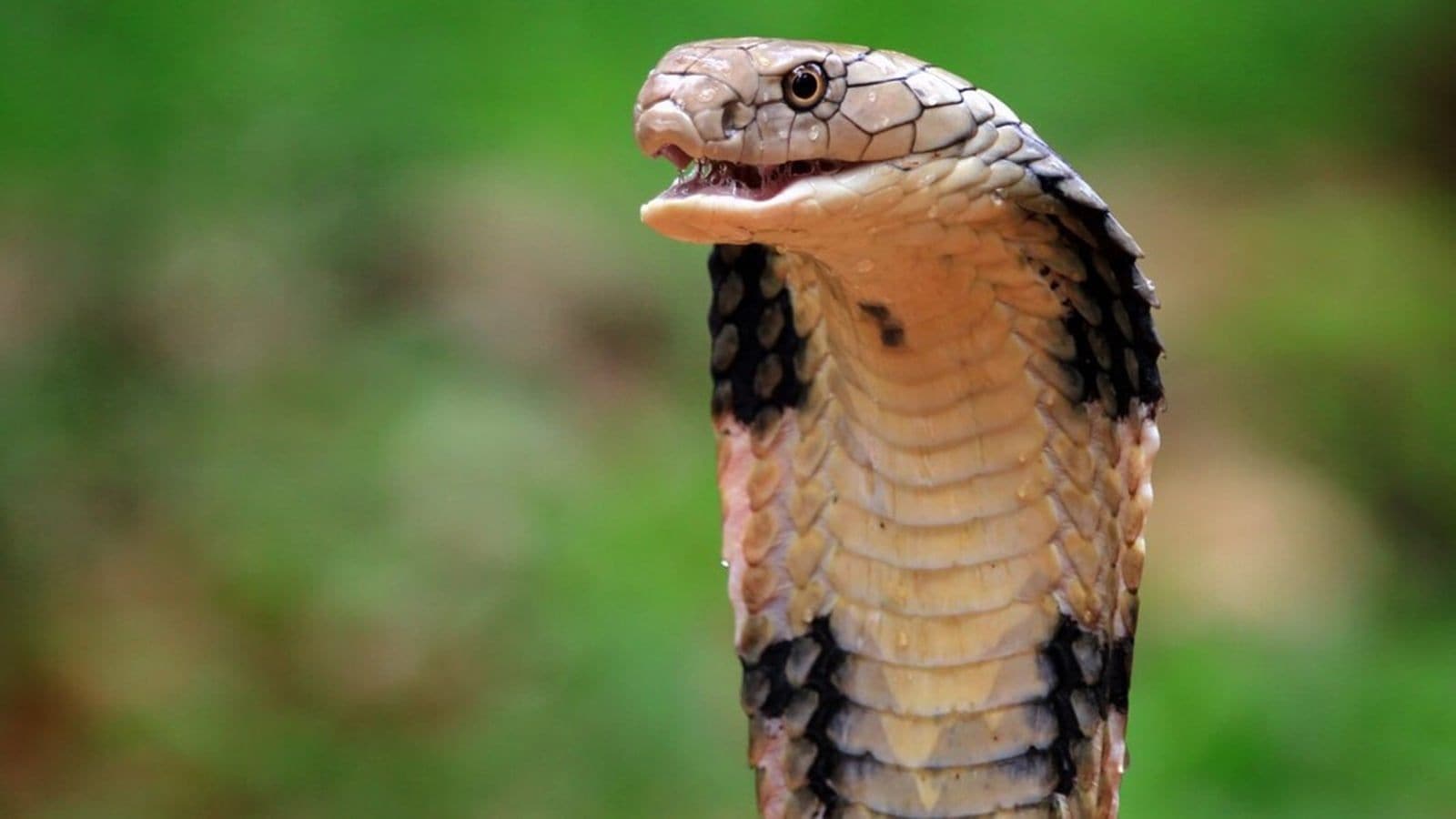
During the performance, the unthinkable happened. The snake—a species later identified as highly venomous—didn't stay within the lines of the performance. It moved with the liquid, terrifying speed that only those who have lived in the desert truly respect. It didn't strike at a hand or an ankle. It found its way into the man’s clothing.
Imagine the sudden, cold weight against your skin. Imagine the panicked realization that a primitive, lethal force is trapped against your body, reacting to your own skyrocketing heart rate.
The Mathematics of Venom
When a venomous snake bites, it isn't just a wound. It is a chemical takeover. In the seconds following the strike, the man’s body became a battlefield.
Most Egyptian cobras or desert vipers possess neurotoxic or hemotoxic venom. A neurotoxin is a silent saboteur. It travels through the bloodstream, finding the junctions where nerves meet muscles and snapping the lines of communication. The brain sends a command to breathe; the lungs never receive the message. A hemotoxin is more visceral, destroying tissue and causing the blood to lose its ability to clot, turning the body's own internal systems against themselves.
- The First Minute: Adrenaline masks the pain, but the heart begins to race, inadvertently pumping the toxins deeper into the lymphatic system.
- The Fifth Minute: Nausea sets in. The world begins to tilt. The music of the show, once festive, now sounds like a dissonant roar.
- The Golden Hour: This is the window. In the world of toxicology, the first sixty minutes determine if a story ends in a hospital bed or a morgue.
The German tourist didn't have a golden hour. He had minutes. By the time the panic of the crowd subsided and the gravity of the situation was understood, the invisible clock had already run down. He was rushed toward the nearest medical facility in Marsa Alam, but the desert is vast. Distances there are measured in more than just kilometers; they are measured in the time it takes for a heart to stop.
The Invisible Stakes of the Exotic
There is a specific kind of silence that follows a tragedy in a place designed for joy. The resort continues to hum. The buffet lines still form. The water still laps at the shore. But for one family, the map of the world has been permanently rewritten. Egypt is no longer a land of pyramids and snorkeling; it is the place where the sun went out.
We often treat travel as a consumption of experiences, as if the world is a gallery curated for our personal enrichment. We forget that the wild remains wild, even when it is put on a stage. The snake charmer, the camel driver, the mountain guide—they are not just performers. They are gatekeepers standing between us and a reality that doesn't care about our holiday plans.
This death wasn't just a freak accident. It was a collision between two worlds that should never have touched so closely. It was the moment the "exotic" stopped being a backdrop and became a predator.
The Weight of the Return
The logistics of tragedy are cold and bureaucratic. There are death certificates to be signed in languages the family might not speak. There is the horrific, mundane task of packing a suitcase that will go home without its owner. The swimsuits are still damp. The souvenirs, bought just hours before, are still tucked in their paper bags.
He died in the hospital, the venom having completed its grim work before the doctors could find the right antivenom or stabilize his failing respiratory system.
The headline says "German Tourist Dies."
But the truth is a man who had a life, a career, and perhaps grandchildren waiting for a postcard, disappeared into the gap between a show and a strike. He is a reminder that the world is not a theme park. The floor of the desert is old, and it is indifferent to our presence.
When the wind blows across the dunes tonight, it won't carry the sound of the flute or the clapping of the crowd. It will only carry the heat. The sun will rise again over the Red Sea, gold and heavy, indifferent to the fact that one less person is there to feel its warmth.
The desert doesn't give back what it takes. It only waits for the next show to begin.


