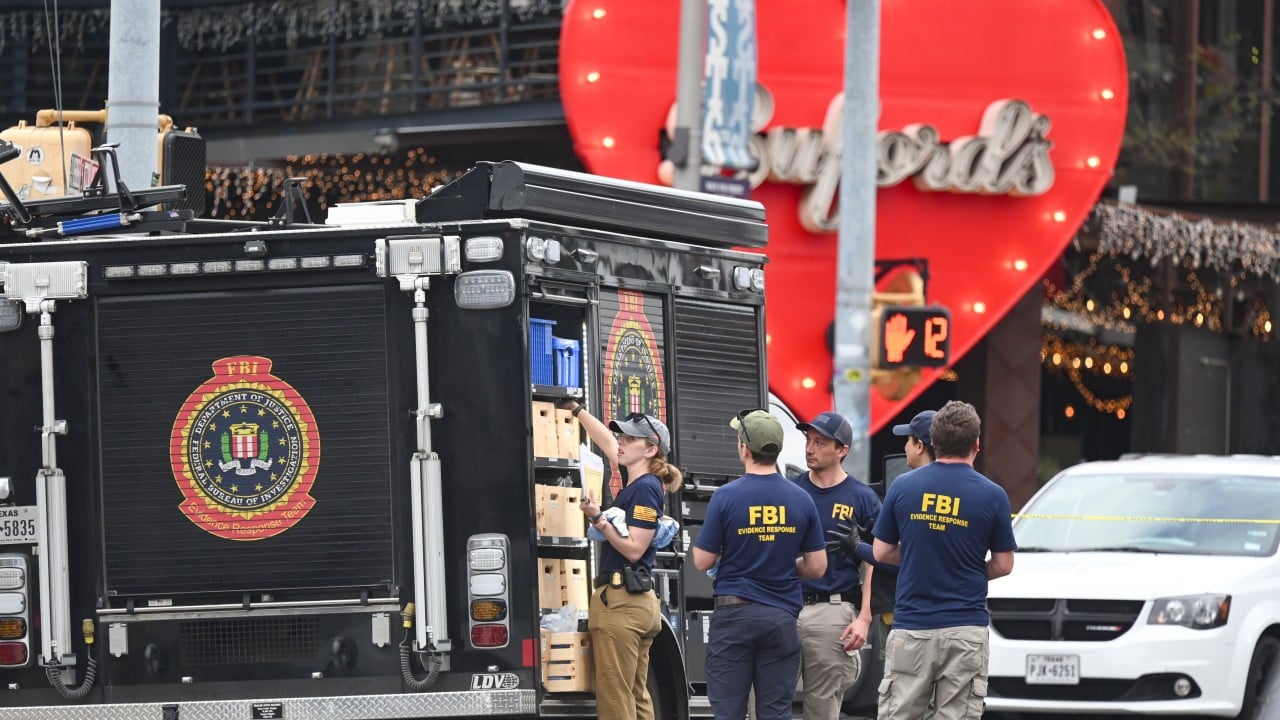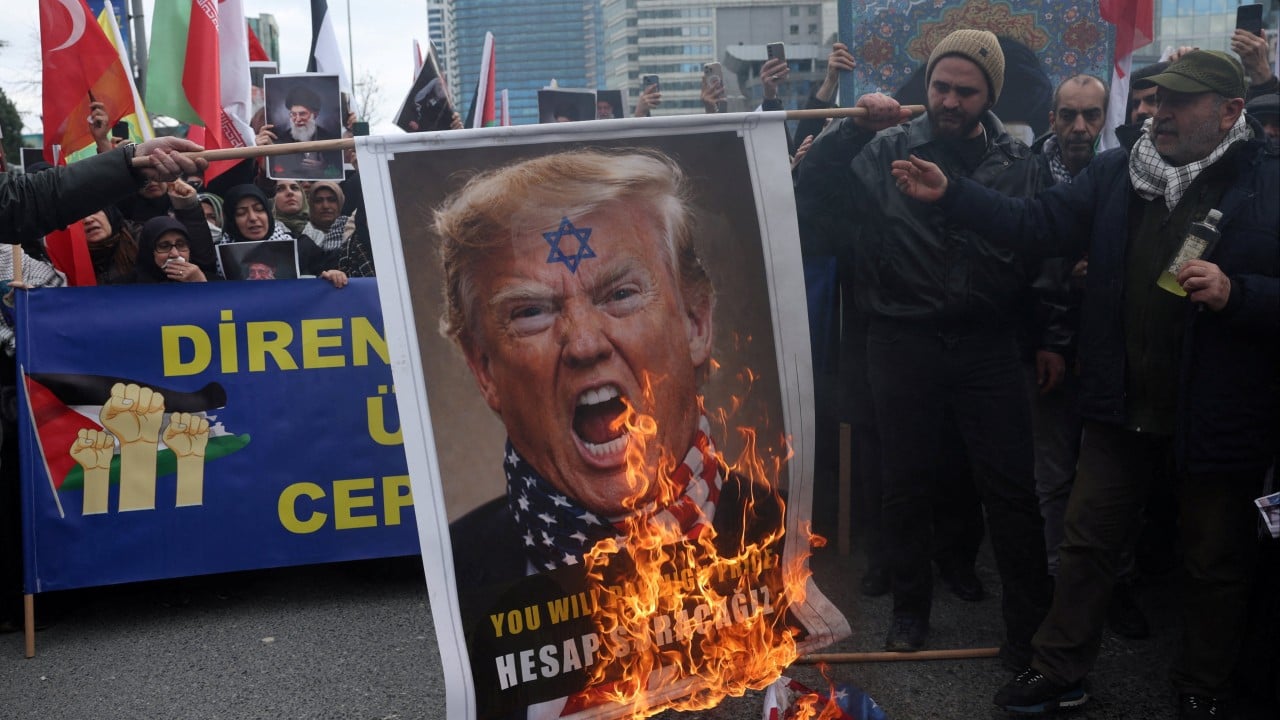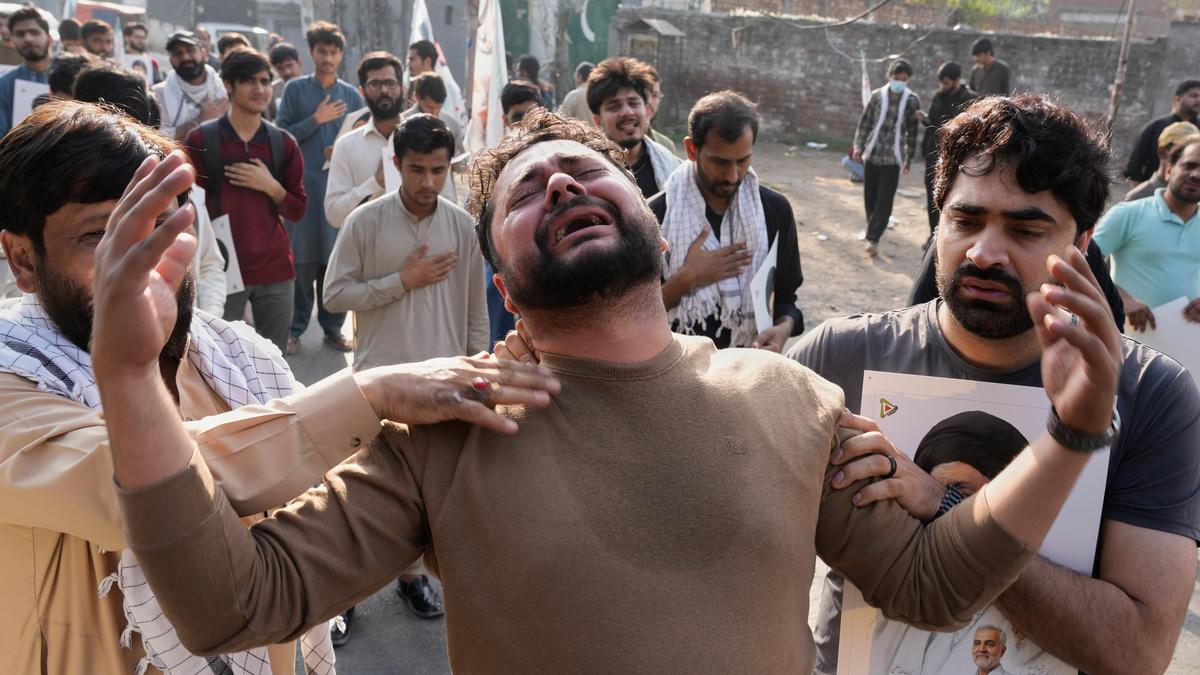
The death of Ayatollah Ali Khamenei on February 28, 2026, marks the violent conclusion of an era that defined Middle Eastern geopolitics for nearly four decades. His demise, confirmed by Iranian state media following a joint United States and Israeli air campaign, is not merely the removal of an autocrat. It is the dismantling of the institutional bedrock of the Islamic Republic. When the smoke clears over Tehran, the power vacuum left behind will not be filled by a smooth transition. It will be the site of a brutal struggle for survival.
The strikes were not a surgical operation. They were a systematic campaign to degrade the entire leadership structure of the Iranian state. Intelligence reports indicate that key members of the security apparatus, including top Revolutionary Guard commanders, have been eliminated in the same series of salvos that destroyed the supreme leader. This was a decapitation of the executive and military command, intended to paralyze the state at the exact moment it faced an existential challenge.
Iran's response confirms the end of the shadow war. The retaliation strikes against Israel and the broader Gulf states represent a shift toward overt, high-intensity conflict. By targeting civilian and military assets in Dubai, Bahrain, and beyond, Tehran has signaled that it no longer recognizes the red lines that once contained the regional struggle. The Strait of Hormuz is no longer a site of posturing; it is a battleground. Global energy markets are already reacting to the reality that maritime security in the region is now secondary to military survival.
Succession in Tehran remains the primary concern for regional analysts. Article 111 of the Iranian constitution requires the Assembly of Experts to appoint a successor, but that body is currently fractured. The lack of a clear, pre-designated heir has triggered internal panic. With the Revolutionary Guard reeling from the loss of its top brass, the institutional ability to enforce authority is fading. Expect the next few weeks to be characterized by frantic efforts to maintain order, likely followed by internal purges as competing factions scramble to blame one another for the failure of the Iranian air defenses.
The United States and Israel have committed to a course of action that assumes the regime will fracture under pressure. This is a gamble. If the Iranian state remains intact enough to maintain a military, the risk of a protracted, low-intensity war of attrition remains high. If it fractures, the resulting state of lawlessness will draw in neighboring powers, further complicating an already volatile security environment.
Regional neighbors are currently caught between their security alliances with Washington and their geographic proximity to the conflict. The Gulf Cooperation Council nations have repeatedly called for restraint, yet they are the primary targets of the current Iranian missile barrages. Their inability to deter these strikes, even with advanced air defenses, has left them exposed and vulnerable to the fallout of a conflict they did not initiate.
The international response has been starkly divided. Russia has condemned the actions as a violation of international norms, while Western allies have largely aligned with the goal of ending the Iranian nuclear program through direct force. This diplomatic split ensures that there will be no unified international mediation to bring about a swift ceasefire. The war will continue until one side reaches a threshold of exhaustion or until the internal collapse of the Iranian political system becomes irreversible.
The world is witnessing the rapid disintegration of the established regional order. Every assumption about how Iran exerts influence—through proxies, through economic pressure, or through the careful balancing of its internal clerical factions—has been rendered obsolete. The conflict has moved beyond the point where political concessions can halt the momentum of the kinetic exchange.
The security of the Gulf is currently hanging by a thread. Shipping lanes are effectively closed, aviation hubs are paralyzed, and the civilian population remains in a state of constant alarm. The structural damage to Tehran’s command and control infrastructure makes an organized, high-level diplomatic negotiation virtually impossible in the short term. Any communication between the warring parties is currently restricted to missile trajectories and public declarations of war.
History is moving faster than the institutions designed to observe it. The destruction of a supreme leader who functioned as the ultimate arbiter of a national identity leaves behind a void that no temporary council can fill. Whether the next iteration of the Iranian state is a military junta or a fragmented collection of autonomous zones, it will bear little resemblance to the republic that stood until this past weekend.
The focus must now shift to the long-term consequences of this vacuum. If the military remnants of the regime decide to commit to a total war, the regional humanitarian and economic cost will be measured in years, not weeks. The decision to strike at the heart of the Iranian state has effectively forced the region into a state of total mobilization. The path back to stability does not exist in the current strategy of either side. The conflict will continue to expand until the physical capacity for aggression is utterly depleted.