Most people think the internet lives in the cloud. It doesn’t. It lives in concrete boxes out by the highway, humming with the steady, bass-heavy roar of ten thousand cooling fans.
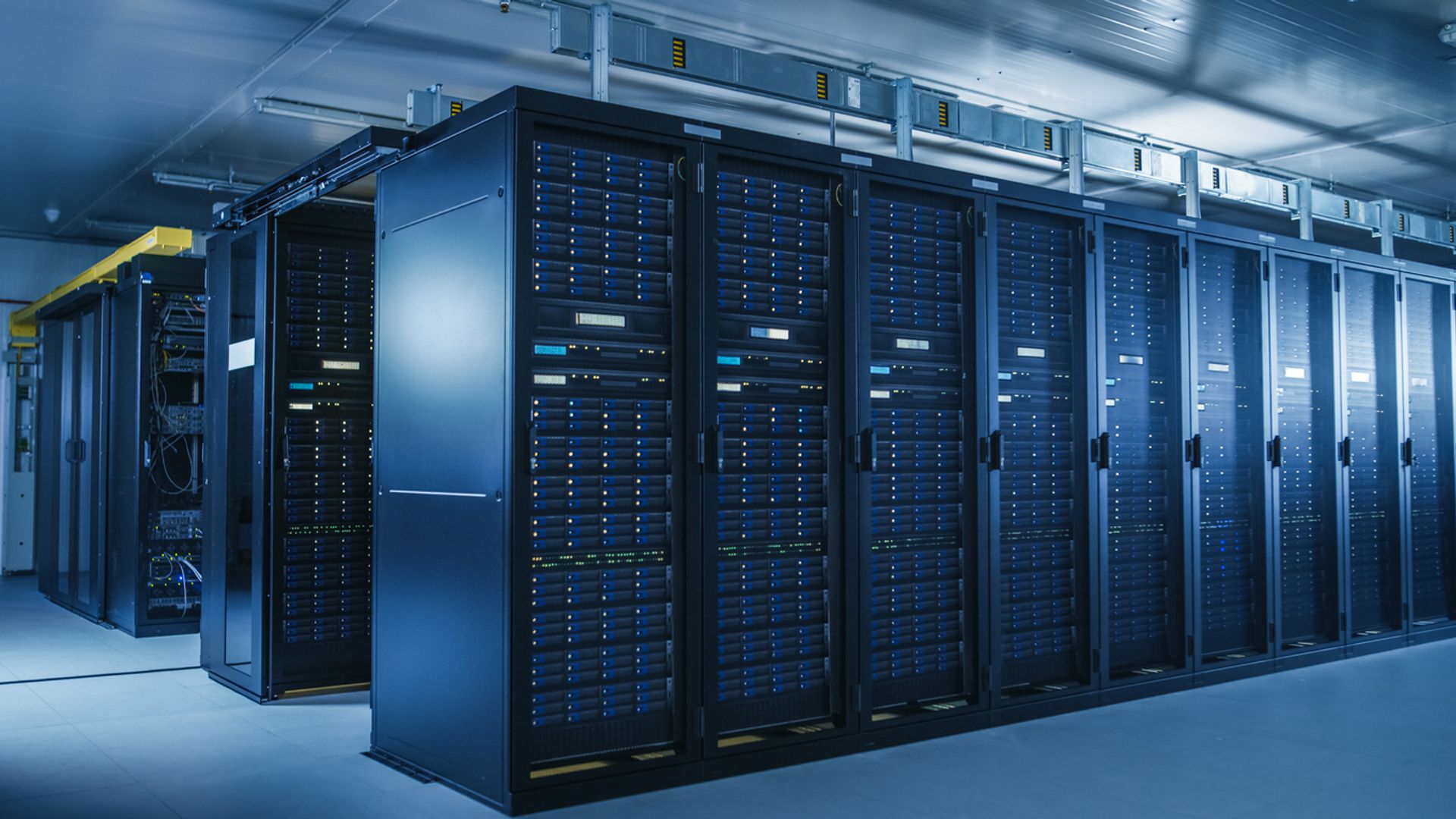
Step inside one of these facilities. The air is cold enough to raise goosebumps on your arms, smelling faintly of heated ozone and industrial cable grease. Rows upon rows of black steel racks stretch into the distance, blinking with green and amber lights. Every email you send, every song you stream, every financial trade executed in a microsecond—it all passes through here.
And right now, these concrete boxes are starving.
The digital expansion wave is colliding with an unprecedented physical bottleneck. Power grids are buckling under the sheer electrical weight of modern computing. Water permits for cooling systems are nearly impossible to secure. Local councils eye proposed developments with deep skepticism, worried about soaring electricity bills and humming noise pollution in quiet suburban fringes. To build a modern data center requires a rare breed of specialist—someone who understands high-voltage electrical engineering as intimately as municipal zoning law and institutional finance.
Enter the quartet.
Four veterans of the digital infrastructure sector spent years quietly assembling something extraordinary. Not a single building, but a pipeline. A five-billion-euro portfolio of potential data center sites, power agreements, and fiber backbones spread across prime European markets. They had the blueprint, the relationships, and the land.
What they lacked was the gravitational pull of a major platform capable of turning blueprints into concrete and steel on a continental scale.
That is where Astor enters the story.
In the high-stakes arena of infrastructure investment, capital is cheap, but execution is scarce. Money sits in bank accounts, waiting for a destination. But finding four people who can walk into a room, unroll a map of Europe, and point to five billion euros worth of shovel-ready digital real estate with secured power connections? That is exceedingly rare.
When the quartet made the switch to Astor, it wasn't just a corporate headline buried in a trade journal. It was a seismic realignment of power.
Consider what a five-billion-euro pipeline actually represents. It is not just numbers on a spreadsheet. It is millions of meters of fiber-optic cable buried beneath asphalt. It is dedicated electrical sub-stations capable of drawing as much power as a mid-sized city. It is tense negotiations with municipal leaders who want guarantees that local schools and roads will benefit from the industrial behemoth rising on their borders.
Building a data center today is closer to building a modern cathedral than putting up a warehouse. The physical demands are staggering. When artificial intelligence models train on billions of parameters, they generate heat—so much heat that traditional air conditioning gives way to liquid cooling loops snaking directly across silicon chips. The servers themselves are getting heavier, denser, hungrier.
The quartet understood this shift years before the mainstream market caught on. They saw that the old model of throwing up basic server farms was dead. The future belonged to hyper-efficient, highly connected campuses designed from the ground up for intensive computational workloads.
Yet, brilliant ideas do not build themselves.
Without institutional backing, even the most sophisticated infrastructure strategy remains trapped on paper. Real estate languishes. Power connection queues stretch out for a decade. Opportunities evaporate as competitors secure the remaining grid capacity.
By aligning with Astor, the quartet bypassed the slowest, most agonizing bottleneck in modern business: access to patient, deep-pocketed capital that understands the long horizon of infrastructure development. Astor provides the runway. The quartet provides the flight plan.
This partnership illuminates a broader truth about the modern economy. We talk endlessly about software, algorithms, and artificial intelligence as if they existed in some ethereal, weightless dimension. We praise the code while ignoring the copper, the silicon, and the megawatts.
Every virtual assistant answering a question, every automated logistics route optimizing a delivery fleet, every cloud-stored memory of a family vacation is tethered to a physical reality. Someone had to pour the concrete. Someone had to negotiate the high-voltage transmission line contract. Someone had to convince a skeptical community that the blinking box down the road is the true engine of the twenty-first century.
The migration of this massive pipeline to Astor signals a maturing industry. The wild-west era of data center speculation is giving way to institutional rigor. Scale matters now more than ever. Fragmented operators are being squeezed out by capital constraints and power shortages. Only those with massive balance sheets and seasoned operational teams can survive the coming decade.
The quartet saw the writing on the wall. They knew that staying independent meant fighting a losing battle against rising interest rates, tightening grid regulations, and capital starvation. By joining forces with Astor, they traded isolated independence for unstoppable momentum.
Out on the edge of the city, past the last housing development and behind an unassuming security gate, the earth is being cleared. Heavy machinery chews through clay and rock. Foundations are being poured. In two years, those empty fields will house the silent, humming brains that power tomorrow's world.
And somewhere in a high-rise office, four people who spent years dreaming of this exact moment are finally watching the cranes rise.