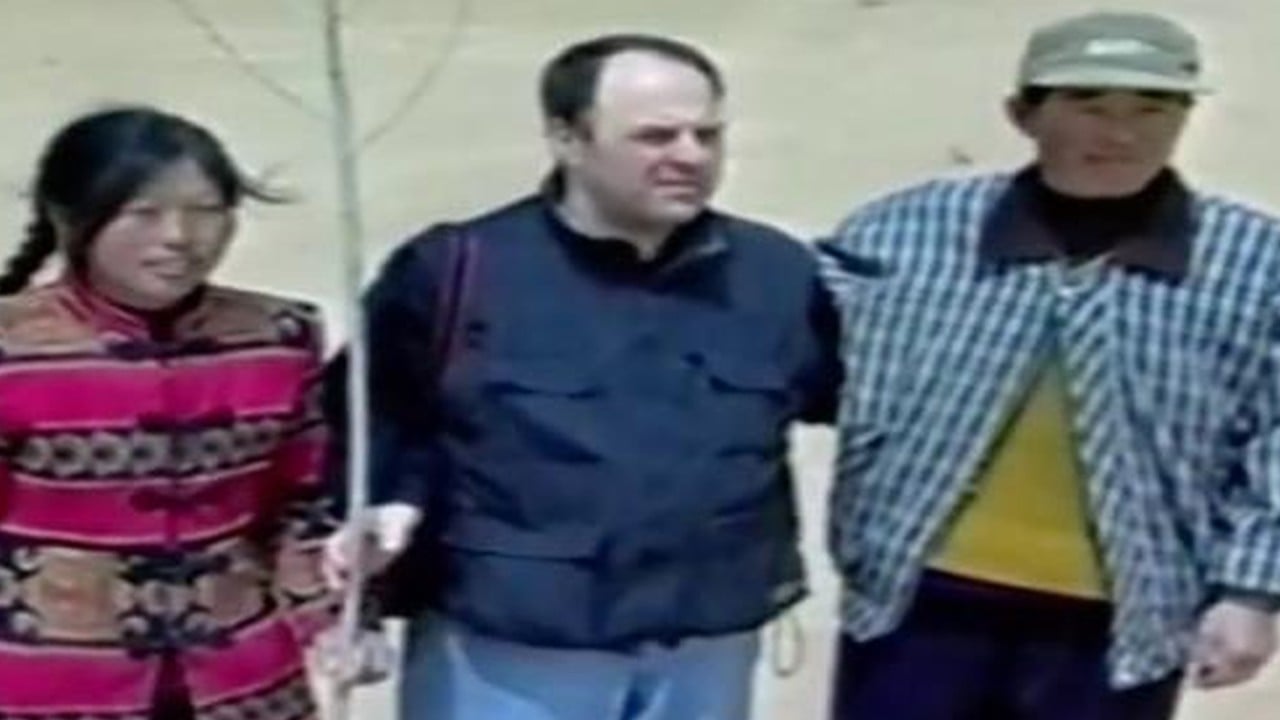
Decades ago, an American traveler handed $5,000 to a local farmer in rural China with a simple request to plant trees. It sounds like the setup for a scam or a well-meaning but ultimately forgotten charity project. Most of these cross-border micro-grants vanish into a black hole of administrative fees or good intentions that wither under the first summer drought.
This one didn't.
That single donation transformed a barren, dust-choked hillside into a thriving forest ecosystem. Decades later, the American donor received an official invitation to return to China to walk through the very canopy his money funded. This story is more than a feel-good piece of nostalgia. It is a masterclass in how localized, direct environmental action actually works when bureaucratic red tape gets cut out of the equation.
The Reality of Direct Environmental Aid
Large-scale international aid programs often spend up to 80% of their budgets on logistics, reports, and administrative overhead. When you donate to a massive global fund, your money buys airline tickets for consultants and fancy PDFs for board meetings.
This case bypassed that entire mess. By handing funds directly to a person who lived on the land, every single dollar went into soil, saplings, and sweat equity. Local farmers don't need a corporate strategy meeting to know which trees thrive in their dirt. They live there. They know the wind patterns, the rainfall shortages, and the soil quality.
The results speak for themselves. What used to be an arid landscape prone to erosion is now a dense grove. The trees stabilized the local soil, improved groundwater retention, and fundamentally altered the microclimate of the immediate area.
Why Small Scale Funding Beats Mass Tree Planting Campaigns
We see massive corporate initiatives promising to plant a billion trees by next week. Most of those projects fail miserably. Companies drop seeds from drones or plant monoculture crops that die off within three years because nobody is there to water them.
The alliance between this American donor and the Chinese farmer succeeded because of ongoing stewardship.
- Ownership matters: The farmer wasn't an underpaid laborer working for a distant NGO; he was planting on land he cared about.
- Species diversity: Real forests require a mix of local trees, not just fast-growing pines that look good on a corporate sustainability report.
- Long-term care: Trees need protection from pests, weather extremes, and livestock during their first critical years.
A $5,000 investment in the 1980s or 1990s carried significant purchasing power in rural China. It allowed the farmer to buy quality saplings and dedicate real time to their survival instead of scraping by on subsistence farming. It bought time, and time is exactly what a forest needs.
The Invitation Decades in the Making
You rarely get to see the literal fruits of a casual decision made decades prior. For this American donor, the invitation to view the forest wasn't just a sightseeing trip. It served as validation for a gamble on human nature. He trusted a stranger across a massive cultural and political divide, and that stranger honored the deal.
The farmer kept track of the progress, watched the canopy close over the years, and always remembered the man who made it possible. When the forest reached maturity, the call went out to bring the donor back to see what a shared vision looks like when it grows up.
How to Replicate This Success Without a Bureaucracy
You don't need to fly across the world with a suitcase of cash to replicate this model. The core lesson here is direct, radical trust in local experts. If you want to make an actual dent in environmental restoration, you have to change how you fund projects.
Look for hyper-local conservation groups where the founders are actively working in the dirt. Avoid organizations where the leadership wears custom suits and spends more time at galas than in the field. Find the people who are already doing the work but lack the capital to scale up.
When you find them, fund them directly. Step back and trust their expertise. The best environmental returns don't come from complex carbon offset schemes or international treaties. They come from a dedicated individual with a shovel, a reliable water source, and the financial freedom to get to work. Each tree planted properly does more work than a dozen corporate press releases. Find a local steward, fund their efforts directly, and let the dirt do the rest.


