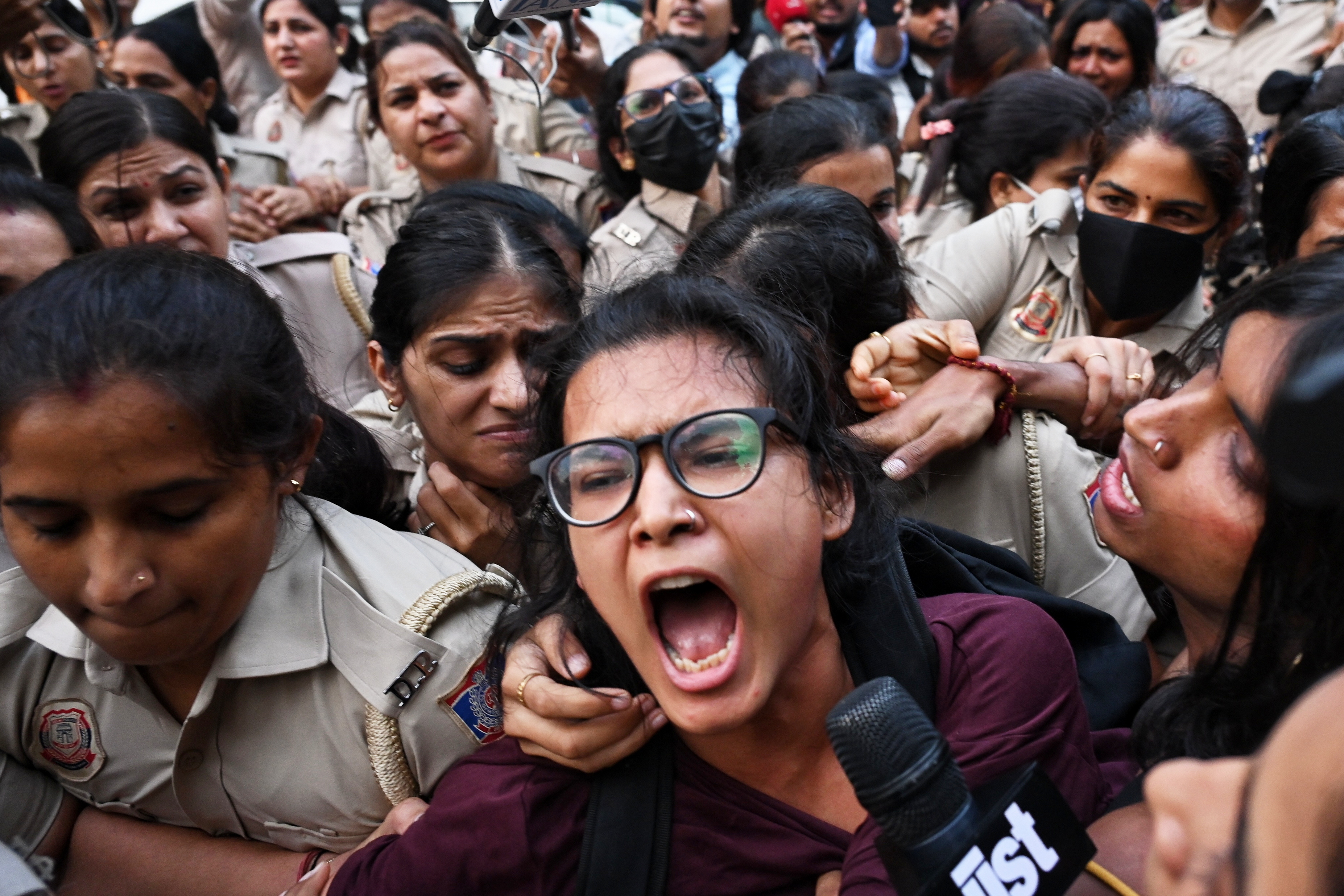
Waving the national flag while shouting slogans against the state looks like a paradox on camera, yet that exact image took over central New Delhi as crowds thronged the capital amid escalating protests. Young demonstrators, activists, and opposition supporters turned the tricolor into a shield, a banner, and a retort all at once. If you've been following the unrest around India's voter roll revisions and youth mobilization, you've probably seen the clips of protesters marching past barricades and riot police.
Let's get straight to what's actually driving this wave. At the center of the autumn demonstrations in New Delhi is fierce anger over a controversial revision of voter lists, with protesters and opposition figures demanding the resignation of Chief Election Commissioner Gyanesh Kumar. Critics accuse authorities of improper deletions and electoral irregularities, while Prime Minister Narendra Modi's administration and the Election Commission reject those allegations, maintaining the cleanup is meant to remove duplicate and ineligible entries.
Look closely at the photo above. Notice how the flag isn't treated as a party symbol or a quiet ceremonial object. A marcher holds it high above his head right near uniformed officers, turning a state emblem into a citizen's claim on constitutional legitimacy.
Why Waving the Tricolor Changed the Street Dynamic
Basic wire reports tell you crowds filled the streets and waved flags. That misses why the choice of symbol mattered so much.
In Indian street politics, carrying the national flag during an anti-establishment protest flips a classic script. When demonstrators chant about protecting the constitution and wave the tricolor, they're trying to claim the mantle of patriotism for themselves rather than letting it belong exclusively to the ruling party. Protesters at the October demonstrations explicitly framed flag-waving as a constitutional right and a refusal to be cast as anti-national.
I've watched protest movements across South Asia for years, and tactical symbolism almost always reflects how activists expect the police to react. When security forces deploy in heavy numbers—detaining prominent figures like student leader Neha Bora and movement organizers, setting up barricades, and restricting familiar protest spots like Jantar Mantar—carrying the national flag raises the political cost of a heavy-handed crackdown.
Still, symbolism alone doesn't explain staying power. A movement lasts when grievances stack up.
From Campus and Policy Anger to Voter Rolls
You can't separate October's flag-waving marches from what happened earlier in 2026. The youth-driven Cockroach movement—associated with the Cockroach Janata Party (CJP)—had already gained serious traction over education grievances and broader youth frustration before voter roll deletions became the dominant flashpoint.
Earlier protests around Parliament and Jantar Mantar saw clashes with police, tear gas, lathi charges, and major political ripple effects, including a high-profile cabinet resignation in July and a ruling-party byelection loss in a stronghold in August. By October, opposition leaders like Rahul Gandhi also stepped into the streets over the voter revision dispute, marching toward the Supreme Court and filing legal challenges.
That overlap creates a messy coalition on the ground. You have independent student activists, youth organizers, and established opposition politicians all converging on the same grievance—alleged manipulation of the electoral roll—even if they don't share the same long-term playbook.
What Most Coverage Misses About the Backlash and Standoff
Here's where things get complicated, and honestly, where a lot of quick takes go wrong.
First, big street crowds in New Delhi don't automatically translate into instant electoral collapse for the government. Analysts covering Indian politics—including commentators like Michael Kugelman and Sumit Ganguly in Foreign Policy—have pointed out that while the protests put real pressure on Modi's government and test institutional trust, the administration retains substantial electoral strength, and voter anger over roll revisions won't neatly hand victory to every opposition group.
Second, there's a sharp disagreement over what the protests even represent. Supporters and demonstrators argue they're defending democratic fairness, young people's voices, and constitutional rights against overreach. Government figures and allied voices counter that street agitations and attacks on the Election Commission risk undermining constitutional institutions and manufacturing unrest for political gain.
Both sides claim they're saving the system. Meanwhile, ordinary residents in Delhi deal with blocked roads, heavy security deployments, and shrinking space for routine demonstrations.
- Verify roll status early: If you're a voter in an area undergoing revision, don't assume your name stayed put—check official electoral roll portals ahead of deadlines and keep documentation ready.
- Follow court filings, not just clips: Viral videos show clashes and speeches, while writ petitions and judicial orders determine whether contested voter-list rules or protest restrictions actually change.
- Watch beyond Delhi: The capital gets the cameras, yet momentum has also flared in other cities like Bengaluru and in local elections, which tells you much more about durability than a single afternoon march.
- Separate slogans from verified facts: When claims fly about mass deletions or police conduct, cross-check independent reporting and official notices before repeating numbers as settled fact.
Watch how the courts handle the voter-roll petitions and how authorities manage street permissions in central Delhi over the coming weeks. Street energy grabs attention fast, yet legal rulings and administrative rules are what actually reshape the ground underneath.
India's 'Cockroach' protesters wave Indian flags in New Delhi shows on-the-ground footage of demonstrators waving the Indian flag and confronting heavy security in New Delhi during the protests.



