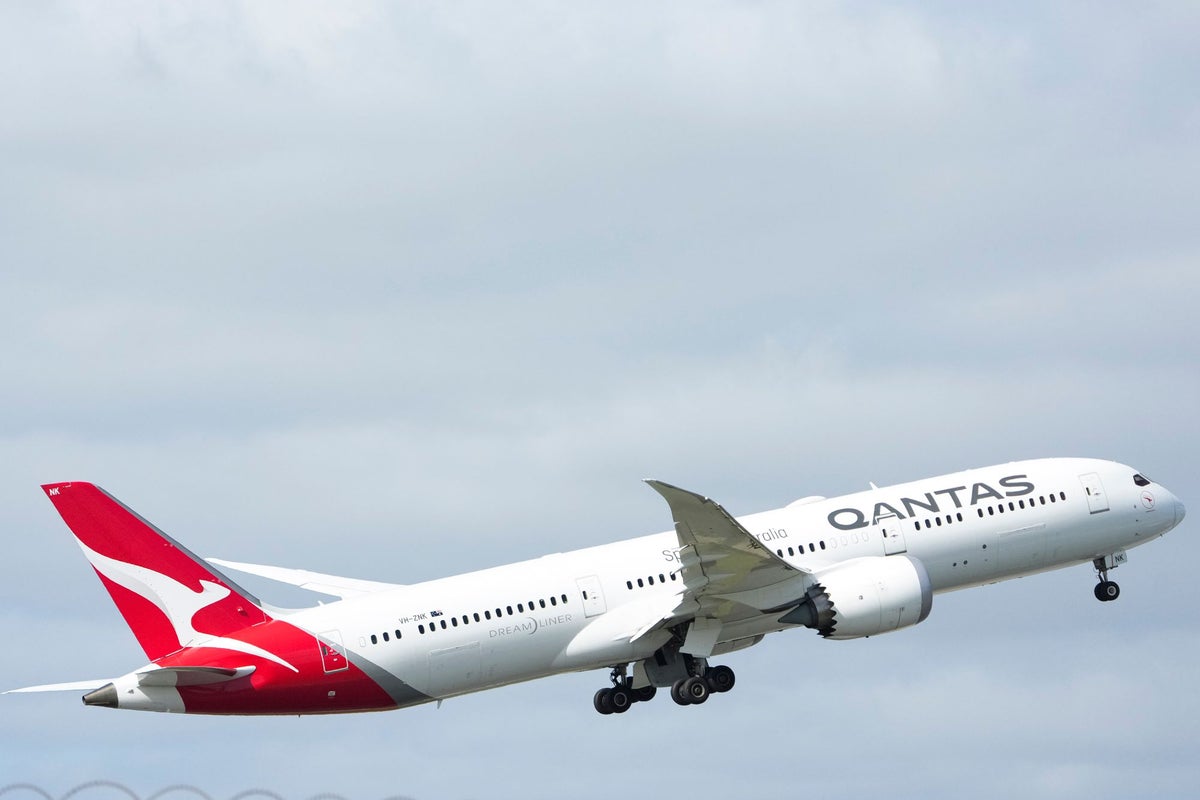
A Qantas flight bound for Perth had to turn around and fly right back to Sydney. The reason wasn't a mechanical failure or bad weather. It was a human being. A passenger reportedly became so disruptive that he bit a crew member.
Think about that. We aren't talking about someone complaining about their seat recline or yelling about a missing drink. This was physical assault at 35,000 feet. The airline confirmed that the crew had to restrain the man, and federal police were waiting at the gate to arrest him the moment the wheels touched the ground.
This latest Qantas disruption highlights a disturbing truth that the travel industry is desperate to fix. Air rage isn't just getting more frequent. It's getting much more violent.
The Reality of Air Rage Inside a Constrained Cabin
When a passenger snaps on a flight, there is nowhere to go. You're trapped in a pressurized metal tube traveling at 500 miles per hour. That claustrophobic environment turns standard behavioral issues into full-blown safety emergencies.
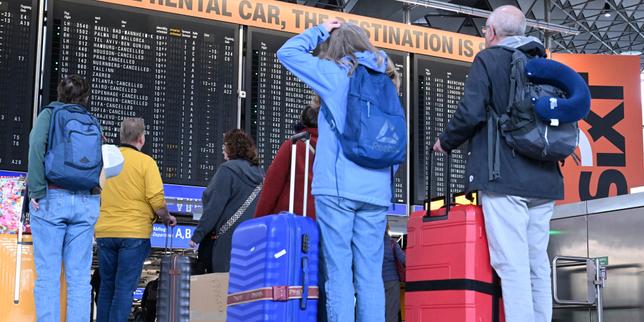
In this specific Qantas incident, the captain made the call to dump fuel and head back to Sydney just an hour into the flight. That decision cost the airline tens of thousands of dollars in fuel, handling fees, and passenger compensation. But it was the only logical choice. When a passenger resorts to biting, they are no longer just an annoyance. They are a safety threat to everyone on board.
Data from the International Air Transport Association (IATA) shows a steady, multi-year climb in unruly passenger incidents worldwide. The group's latest figures reveal that there is now one reported incident for every 568 flights. That is a massive jump from just a few years ago. Even worse, physical assaults or threats to life—the most severe category—have spiked by over 60 percent.
Airports and airplanes are high-stress environments. You deal with long lines, invasive security checks, delays, and cramped seating. Toss in alcohol, prescription medication, or underlying mental health struggles, and you have a powder keg.
The Real Burden on Cabin Crew
Flight attendants are primarily there for your safety. They undergo intense training for medical emergencies, evacuations, and fires. Somewhere along the way, they became high-altitude bouncers.
It's a brutal job expectation. Crew members regularly face verbal abuse, sexual harassment, and physical violence. The Aviation Transport Security Act gives crew the authority to use physical restraints, like zip ties, when someone poses a danger. But using them is a last resort that puts the crew in direct physical peril.
When a flight attendant gets injured, it compromises the safety of the entire aircraft. If a real emergency happens later in the flight, a disabled crew member can't operate an exit door or lead an evacuation. That is why captains don't hesitate to turn planes around.
What Happens When You Get Grounded and Arrested
Many disruptive passengers assume they will just get kicked off the plane and sent on their way. They are completely wrong. The legal consequences of causing an in-flight diversion are severe, swift, and life-altering.
- Federal Charges: In most jurisdictions, including Australia and the United States, assaulting flight crew is a federal offense. It carries heavy prison sentences, sometimes up to 20 years.
- Massive Fines: Courts routinely order unruly passengers to pay restitution to the airline. You could be on the hook for the cost of the wasted fuel, airport landing fees, and hotel vouchers for every single delayed passenger. This easily reaches five or six figures.
- The No-Fly List: Airlines share information. If you get banned by one carrier for violence, you will likely find yourself blacklisted by all of them. Good luck traveling anywhere that requires crossing an ocean.
How to Protect Yourself as a Passenger
You can't control how the person in row 12 behaves. You can control how you react to them. If you see a situation escalating near you, sitting passively is a mistake.
First, never intervene physically unless the crew explicitly asks for backup. Getting involved often escalates the situation or pulls focus away from the crew's training.
Instead, use your call button early. Let the flight attendants know about aggressive body language, heavy drinking, or verbal threats before a fist or a tooth flies. If a confrontation happens right next to you, protect your face and neck. Move out of the row if there is an empty seat available elsewhere.
The aviation industry needs to take a harder line. We need stricter pre-boarding screenings, tighter limits on airport alcohol sales, and faster sharing of internal no-fly lists across global alliances. Until then, pay attention to your surroundings, report red flags immediately, and let the professionals handle the disruptions before a flight turns into a crime scene.