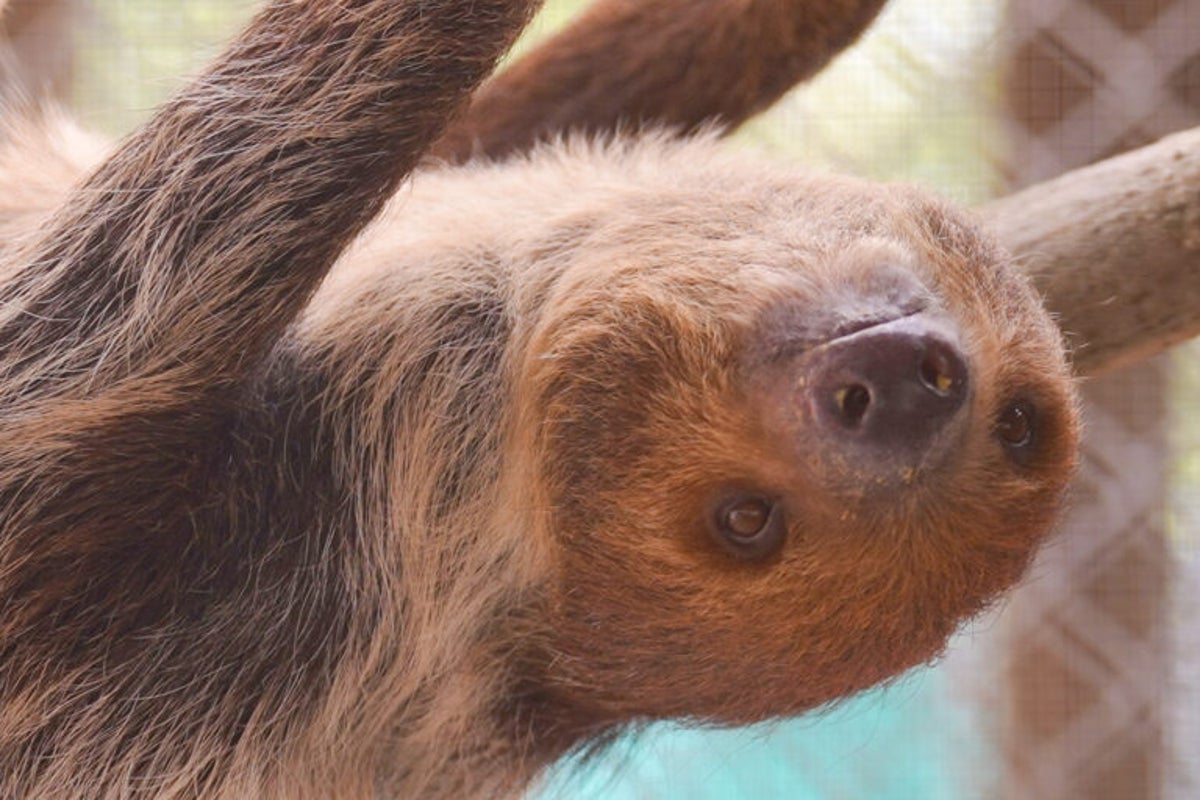
Nine sloths are finally safe after being pulled from a grim, neglected warehouse facility in Florida. They are recovering. Their distinct personalities are starting to show. But this story is about much more than a feel-good animal rescue. It exposes a massive loophole in the exotic animal trade that relies on public ignorance.
People love sloths. They see viral videos of these slow-moving creatures hugging stuffed toys and think they make great pets or profitable roadside attractions. They don’t. When nine sloths were discovered living in filth inside a commercial warehouse, it shocked animal lovers. It shouldn’t have. This is the predictable result of a system that allows private individuals to keep wild animals in spaces meant for storage boxes.
The good news is that the rescue operation succeeded. The bad news is that facilities across the country are holding hundreds of other wild animals in identical conditions right now.
Inside the Florida warehouse rescue operation
The rescue happened after local law enforcement and wildlife officials responded to tips about animal neglect at a commercial property. What they found inside was heartbreaking. Nine sloths were confined to small, dirty cages inside a hot warehouse. The building lacked proper ventilation. The humidity levels were entirely wrong for a species native to Central and South American rainforests.
Veterinarians who examined the animals immediately noted signs of severe neglect. Several sloths suffered from malnutrition. Others had skin infections caused by living in unsanitary conditions. Sloths have incredibly slow metabolisms, which means signs of starvation and illness take a long time to manifest. By the time a sloth looks sick, it is often close to death.
The animals were transferred to a licensed wildlife rehabilitation sanctuary. The focus shifted to stabilization. This involved rehydration therapies, specialized diets, and a climate-controlled environment that mimics their natural habitat.
Moving from trauma to recovery
Healing takes time. For these nine sloths, the physical recovery is only half the battle. Psychologically, wild animals kept in prolonged confinement exhibit severe stress behaviors. They might pace, self-mutilate, or become entirely unresponsive to their surroundings.
Caregivers at the rehabilitation center report that the group is finally turning a corner. Weeks of proper nutrition and quiet, stress-free environments are paying off. Their personalities are beginning to shine through. One of the younger males has shown a curious streak, carefully investigating every new branch placed in his enclosure. An older female, initially the most aggressive and terrified of human contact, has calmed down significantly. She now spends her afternoons napping peacefully in a high hammock.
This shift in behavior is a major milestone. It proves that the animals are finally feeling safe. When a wild animal stops viewing every sound and movement as a threat, its cortisol levels drop. This allows its immune system to function properly and speed up physical healing.
The myth of the easy exotic pet
This rescue brings a frustrating reality to light. People keep buying these animals because they don’t understand them. Sloths look cute. They move slowly. They look like they are always smiling.
That smile is a anatomical quirk, not an emotion.
Sloth Care Requirements vs. Warehouse Reality
- Humidity: 80-90% required | Warehouse: Dry, stagnant air
- Diet: Fresh, specific tropical leaves | Warehouse: Cheap produce, dog food
- Space: High vertical climbing structures | Warehouse: Low wire cages
- Stress: High sensitivity to noise/light | Warehouse: Constant industrial noise
Sloths are solitary, wild animals. They have specialized claws meant for gripping tree bark, not concrete floors. Their digestive systems require a highly specific diet of tropical leaves, shoots, and fruits. Feeding them standard grocery store vegetables causes severe bloating and metabolic bone disease. When kept in a warehouse or a backyard cage, they suffer silently. They don't bark like dogs or cry like cats. They just sit there and slowly waste away.
Why Florida remains the epicenter of the wildlife trade
It is no coincidence this rescue happened in Florida. The state has a long, complicated history with the exotic animal trade. Its warm climate makes it easy to keep tropical species alive outdoors for part of the year, but it also creates a massive hub for breeders, importers, and roadside zoos.
While Florida has stricter laws than some states regarding permits for captive wildlife, enforcement is a constant game of whack-a-mole. Operators hide animals in unlisted warehouses or private properties to evade inspectors from the Florida Fish and Wildlife Conservation Commission. A facility might lose its public exhibition permit but simply transition into a private breeding operation, keeping the animals hidden away from public scrutiny.
The laws contain too many loopholes. If you call yourself a educational facility or a commercial breeder, the legal requirements for cage sizes and care standards change dramatically compared to a standard pet owner. This allows unscrupulous operators to exploit animals behind closed doors until a whistleblower or an anonymous tip forces authorities to step in.
How to spot and report wildlife neglect
Public awareness is the most effective tool against this kind of animal abuse. Roadside zoos and temporary wildlife photo-ops often mask neglect behind a facade of conservation education. You can protect these animals by knowing what to look for and taking action.
Look closely at the environment when visiting any facility that keeps wild animals. Are the enclosures clean? Do the animals have access to fresh water and places to hide from public view? Are animals being used for constant photo opportunities or forced interactions with crowds? If an animal looks lethargic, has visible wounds, or is kept in a bare, barren cage, something is wrong.
Document what you see without putting yourself in danger. Take clear photos and videos of the conditions, the animals, and any signage. Note the exact location, date, and time.
Do not complain to the facility staff. Instead, file a formal report immediately with state wildlife authorities and national organizations like the Humane Society of the United States or the Animal Legal Defense Fund. These organizations have the legal resources to pressure local law enforcement into conducting welfare checks. Your tip could be the reason a hidden warehouse operation gets shut down, saving animals just like these nine sloths.