You sit down at your desk, pop open your laptop, and walk over to the breakroom to grab an ice-cold glass of water. It is a standard, mindless morning routine. Except today, that glass of water might come with a side of severe, potentially life-threatening pneumonia.
This isn't some post-apocalyptic thriller. It is the reality facing California state employees who just transitioned back to in-person work. Less than a month after Governor Gavin Newsom’s controversial four-day return-to-office mandate took effect, the water supply in multiple state office buildings is testing positive for Legionella—the dangerous waterborne bacteria responsible for Legionnaires' disease.
The timing is incredibly suspect, but the science behind it is completely predictable. When you leave massive office buildings sitting empty or underutilized for years, water stagnates in the plumbing. Stagnant water loses its chlorine disinfectant, warms up to room temperature, and becomes a literal breeding ground for deadly pathogens. Forcing thousands of people back into these biological petri dishes without thoroughly vetting the infrastructure first is not just a logistical headache. It is a massive public health failure.
The Toxic Reality of the State House Water Supply
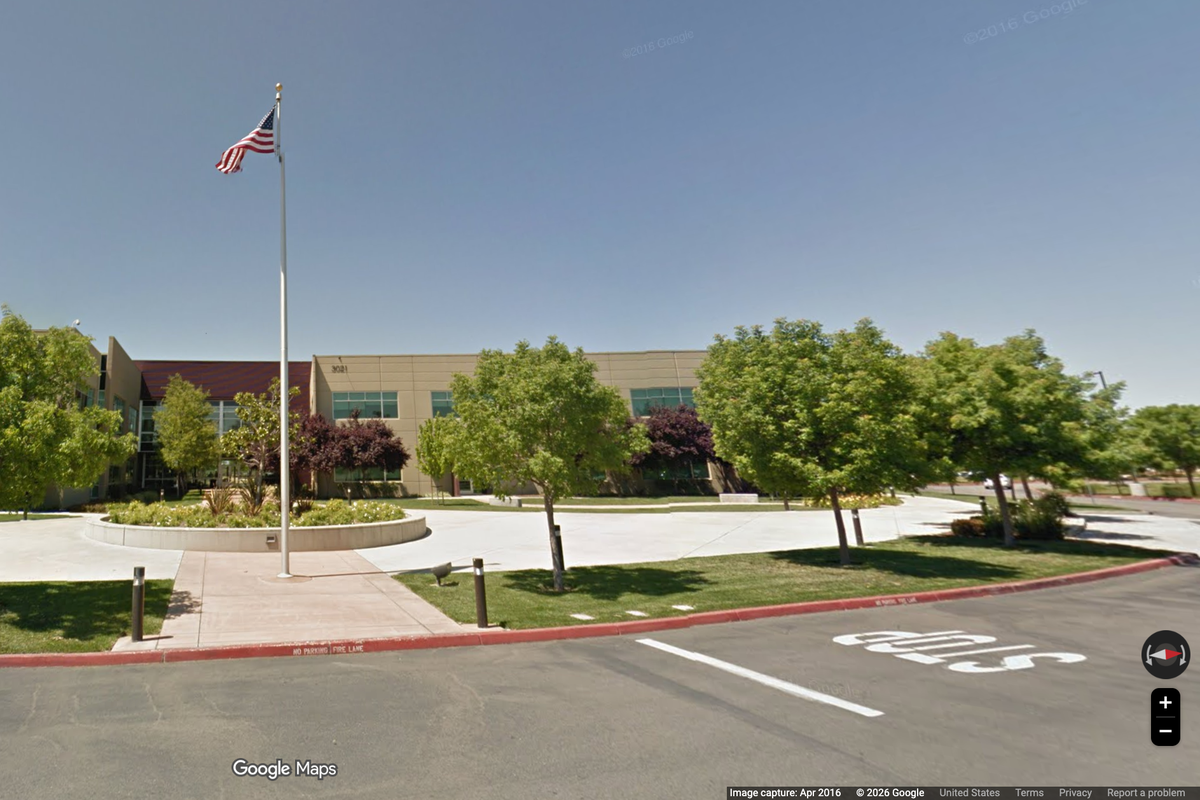
The latest facility to set off alarm bells is a Department of Industrial Relations office in Lodi, California. The union representing these workers, SEIU Local 1000, sounded the alarm after tests revealed Legionella had colonized a tap water line that feeds straight into an ice machine and breakroom sinks.
But Lodi is just the tip of the iceberg. The union points out that the pathogen has also popped up in the tap water of major state hubs in Sacramento, including the California Department of Public Health, the Department of Health Care Services, and the California Public Employees' Retirement System (CalPERS).
Think about the irony of finding pneumonia-causing bacteria inside the headquarters of the very agency tasked with protecting public health.
While state departments and management companies scramble to flush the pipes, adjust water temperatures, and downplay the severity by calling the levels "acceptable," workers are left holding the bag. You can't blame them for being furious. They are returning to offices that aren't just uncomfortable—they are outright hazardous.
Stagnant Water and the Science of Legionella
To understand how we got here, you have to look at how Legionella behaves. This bacteria thrives in warm, stagnant water, particularly between 77°F and 113°F. When an office building operates at full capacity, water is constantly moving. Showers run, toilets flush, and faucets turn on. Fresh, chlorinated water from the municipal supply is constantly cycling through the system.
During the pandemic and the subsequent years of hybrid work, these office buildings were largely empty. Water sat dormant in the pipes for weeks, if not months. The chlorine dissipated. Biofilm—a slimy layer of microorganisms—grew along the inside of the pipes, shielding the Legionella and letting it multiply completely undisturbed.
Once you suddenly mandate that everyone must return to their desks, you turn the taps back on. That dormant, bacteria-laden water is pushed straight to the faucets. When workers wash their hands, run the shower in the office gym, or use the ice machine, they risk inhaling tiny, aerosolized water droplets contaminated with the bacteria. That inhalation is exactly how Legionnaires' disease starts.
A Symptom of a Much Bigger Real Estate Problem
Let’s be honest. This isn't just a water quality issue. It is a symptom of a crumbling state infrastructure that was never designed for long-term dormancy. The union's grievances paint a grim picture of what returning to work actually looks like in 2026:
- Insect Infestations: Workers at the California Department of Education were recently forced back to remote work because of literal swarms of bedbugs.
- Structural Decay: Leaking roofs at a Sacramento DMV call center have raised concerns about ceiling collapses.
- Asbestos Hazards: Cracking floor tiles in Caltrans offices are exposing older, hazardous materials.
The rush to bring workers back to revitalise downtown economies has blinded officials to the physical reality of the buildings people are returning to. Governor Newsom publicly dismissed criticism of the return-to-office mandate, briefly claiming that "getting back to work... is a healthy thing for their mental health."
Tell that to an employee who has to worry if the ice in their morning coffee is going to land them in the ICU with severe lung inflammation.
What Needs to Happen Right Now
If you are a state worker or anyone returning to a commercial building that sat empty for a long time, you cannot just trust that the water is safe because a manager said so. Here is what needs to happen immediately to make these workspaces safe:
- Demand Comprehensive Water Management Plans: Simply flushing the faucets for five minutes is not enough to clear out deep-seated biofilm. Buildings need continuous, professional water management programs that include hyper-chlorination and thermal eradication.
- Stop Using Aerosol-Generating Fixtures: Until a building gets a completely clean bill of health, stay away from office showers, hot tubs, and decorative fountains. Stick to bottled water for drinking and avoid using ice machines that connect directly to unverified lines.
- Hold Management Accountable: If you experience symptoms like a high fever, cough, muscle aches, or shortness of breath after returning to an office, see a doctor immediately. Ensure they know you may have been exposed to Legionella so they can run the correct diagnostic tests.
Returning to the office should not be a test of physical survival. If governments and corporations are going to force people back to their desks, the absolute bare minimum they can do is ensure the water coming out of the taps won't make them sick.