The Weight of a Held Breath
History rarely smells like sulfur or sounds like thunder. Most often, it smells like cold coffee in a basement control room, and it sounds like the steady, agonizing hum of fluorescent lights while men in suits stare at blinking green cursors.
Imagine sitting in a kitchen in Tehran, or standing on a dusty rooftop overlooking the Persian Gulf. For years, the soundtrack of daily existence has been a low-frequency hum of anxiety. Every broadcast carries the threat of a red line crossed. Every headline whispers about centrifuges spinning in the dark, about deadlines missed and ultimatums answered with steel.
Then, something strange happens. The shouting stops.
Or, more accurately, the shouting lowers to a conversational tone.
Word filtered out through diplomatic channels and official statements that the political winds might finally be shifting. A notable figure stepped up to microphones and cameras, offering a cautious assessment that there was a legitimate, fighting chance of progress in high-stakes negotiations with Iran. At the exact same moment, both sides appeared to hold fire, choosing silence over shrapnel.
The Anatomy of a Standstill
To understand why this moment feels so terrifyingly fragile, we have to look past the talking points. We have to look at the human cost of a perpetual standoff.
Consider a hypothetical merchant in a bazaar, or a young engineer working in a Tehran tech hub. Let us call him Reza. Reza does not care about geopolitical leverage points or strategic deterrence doctrines in the abstract. Reza cares about the price of imported medical supplies for his mother. He cares about whether the currency in his savings account will buy groceries tomorrow or turn into confetti by next week.
For a decade, people like Reza have lived in the crosshairs of economic sanctions and military posturing. When talks fail, the rial plummets, shelves empty, and the world shrinks. When leaders signal a thaw, a collective, desperate hope flickers across millions of living rooms.
Yet, veteran diplomats know this dance all too well. Hope is a dangerous currency in international relations.
Diplomacy is not a movie where a single handshake solves decades of mutual suspicion. It is a grinding, unglamorous war of attrition fought by lawyers, intelligence analysts, and weary negotiators who subsist on lukewarm water and bad lighting. When leaders declare a good chance of progress, they are usually describing a temporary alignment of political necessity rather than a sudden outbreak of peace.
The Mechanics of De-Escalation
Why now? Why would two opposing forces, locked in a multi-decade ideological and strategic struggle, suddenly ease up on the throttle?
The answer lies in the exhaustion of extremes. Prolonged confrontation carries an astronomical price tag. For Washington, endless Middle Eastern entanglements drain political capital and distract from domestic priorities and rising global competitors. For Tehran, economic isolation and internal pressures create an urgent need for relief that ideological rhetoric alone cannot feed.
When both sides realize that the current trajectory benefits neither, a window opens.
We saw this dynamic play out in incremental phases. Backchannel communications, mediated by third-party nations acting as diplomatic couriers, began to bear fruit. Messages were whispered in Geneva and Muscat. Demands were softened, not out of benevolence, but out of calculated pragmatism.
When the announcement came that progress was within reach, and that both sides were holding their fire, it wasn't because the fundamental disagreements had vanished. They remain vast. The enrichment levels, the regional proxy networks, the deep-seated historical grievances—none of these dissolved overnight.
Instead, a boundary was drawn. Both sides agreed, for the moment, not to cross it.
The Long Road Ahead
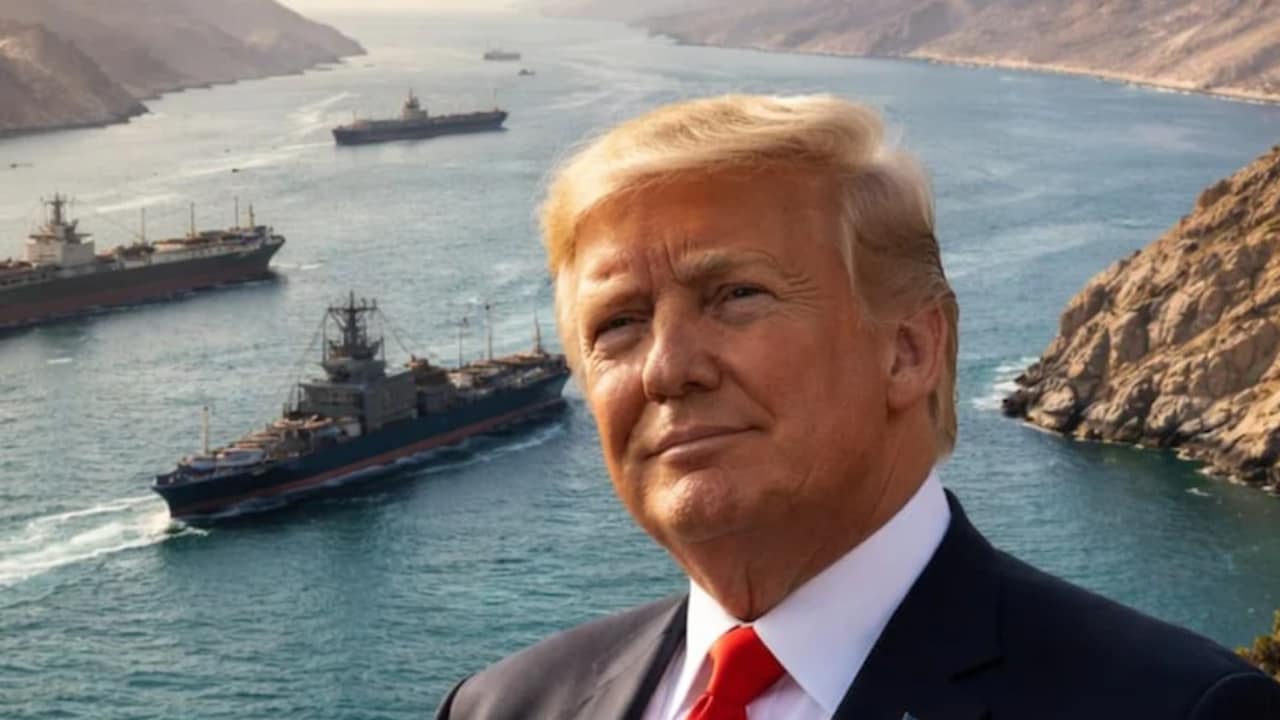
Walking down a corridor of tension requires steady nerves. One stray spark, one miscalculated naval maneuver in the Strait of Hormuz, or one rogue faction operating outside the chain of command can shatter a fragile truce before the ink on a preliminary agreement dries.
This is why observers watch the quiet moments with more dread than the loud ones. Silence is heavy. Silence requires discipline.
When leaders state that there is a good chance of a breakthrough, they are laying down a public marker. They are boxing themselves into a corner of hope. If they walk back now, the political cost is severe. But if they press forward, they risk alienating hardliners in their own ranks who view any compromise as surrender.
Back in that Tehran kitchen, Reza turns down the evening news. He looks at his mother, then out the window at the quiet street below. The sky is dark. No sirens wail. No explosions shake the glass. For tonight, the absence of war is not peace, but it is enough to let a tired city sleep.
The cursor keeps blinking on the monitor in the embassy basement. The diplomats pick up their pens. The fire is held. And the world holds its breath, waiting to see what tomorrow writes in the margin.