Emmanuel Macron is moving the pieces on the Mediterranean chessboard with a boldness that borders on the reckless. While the world watches the immediate fire in the Levant, Paris is quietly signaling a massive shift in its military and diplomatic posture toward the Persian Gulf. France is no longer just a secondary player or a supplier of Rafale jets; it is repositioning itself as the primary Western security guarantor for the Gulf monarchies. This pivot isn't just about regional stability. It is a calculated move to secure French energy interests and defense contracts as American attention drifts toward the Pacific.
The logic behind this readiness to defend the Gulf states against Iranian aggression is rooted in a brutal reality. If the Strait of Hormuz closes or if Iranian proxies successfully cripple Saudi or Emirati oil infrastructure, the French economy—and by extension, the European Union—faces an immediate, existential shock. Paris is betting that by standing tall where Washington appears hesitant, it can lock in decades of industrial and geopolitical influence. Don't forget to check out our earlier post on this related article.
The Strategy of Strategic Autonomy
For years, the French presidency has hammered on the idea of "Strategic Autonomy." Usually, this is dismissed as a bit of Gaullist vanity—a desire for Europe to act without asking the White House for permission. In the context of the current Middle East crisis, however, this concept has hardened into a functional military doctrine.
French officials are looking at the potential for a regional conflagration and realizing that they cannot wait for a consensus in Brussels or a green light from D.C. if their vital interests are threatened. This isn't about some abstract sense of justice. It’s about the Rafale production lines at Dassault Aviation and the flow of Liquefied Natural Gas from Qatar. By signaling a willingness to intervene, France is telling its Gulf partners that while the U.S. might be an unreliable boyfriend, Paris is the partner that stays. If you want more about the history of this, USA Today offers an in-depth summary.
The military footprint is already there. France maintains a permanent base in Abu Dhabi, known as "Camp de la Paix." This isn't just a refueling stop. It is a command-and-control center that allows the French Navy to monitor every movement in the Indian Ocean. When French officials say they are "ready" to defend these states, they are referring to a sophisticated network of intelligence sharing and rapid-response capabilities that have been quietly upgraded over the last thirty-six months.
Calculating the Iranian Threat
Tehran understands the French position perfectly well. For the Iranian leadership, the presence of French naval assets in the Gulf is a complication they didn’t want. Iran has traditionally relied on the idea that European powers are too fragmented and too reliant on diplomacy to offer any real military resistance.
Macron’s government is breaking that assumption. By moving a carrier strike group into the region or conducting joint exercises with the Saudi Air Force, France is creating a "deterrence by denial" strategy. They are telling Iran that any attempt to shut down global energy lanes will be met with a European kinetic response, not just a strongly worded letter from the UN.
But there is a massive risk here. France does not have the sheer weight of the U.S. Navy. If a conflict actually breaks out, Paris would be forced to decide between a humiliating retreat or a level of escalation that French taxpayers are likely unprepared for. The gap between rhetoric and reality is thin. If a French frigate is targeted by an Iranian drone or missile, the pressure to retaliate would be immense, potentially pulling Europe into a war it is nowhere near ready to fight.
The Defense Industry Pipeline
Behind the talk of regional security lies the cold, hard cash of the defense industry. France is currently the world’s second-largest arms exporter, and the Gulf is its most lucrative market. The relationship is symbiotic. The UAE, Qatar, and Saudi Arabia buy French hardware because it comes with fewer political strings than American gear. In return, France provides the "hard power" shield that protects the investment.
- Rafale F4 Exports: The UAE’s record-breaking order for 80 Rafale jets isn't just a business deal. It's a blood oath.
- Naval Supremacy: Naval Group is aggressively pitching its frigates and submarines to Riyadh, positioning them as the backbone of a modernized Saudi Navy.
- Missile Technology: MBDA systems are integrated across the region, creating a technical dependency that lasts for decades.
This is the "how" of French intervention. They aren't just sending troops; they are embedding themselves into the very fabric of the Gulf’s military infrastructure. When a Gulf state uses French tech to defend its airspace, it reinforces the necessity of the French alliance.
The Energy Trap
The war in Ukraine taught Paris a painful lesson about dependency. After being burned by Russian gas, France has pivoted hard toward the Middle East. TotalEnergies has signed massive, multi-decade deals with Qatar and the UAE. These aren't just commercial contracts; they are pillars of French national security.
If Iran successfully intimidates the Gulf states into reducing their cooperation with the West, France loses its energy hedge. This explains why the rhetoric from the Elysée has become so sharp. They aren't just defending foreign soil; they are defending the heating and electricity of every home in Lyon and Marseille. The "readiness" to defend the Gulf is, in reality, a readiness to defend the French standard of living.
Domestic Polarity
There is a significant disconnect between Macron’s grand geopolitical ambitions and the mood on the streets of Paris. The average French voter is deeply skeptical of foreign interventions. Memories of the Sahel—where France spent a decade fighting a losing battle against insurgency—are still fresh and bitter.
If Macron commits French forces to a direct confrontation with Iran, he faces a political firestorm at home. The opposition, both on the far right and the far left, will paint him as a "globalist" fighting a rich man's war in the desert. This domestic pressure acts as a ceiling on how far France can actually go. They can provide air cover and intelligence, but putting boots on the ground is a political impossibility.
The Mirage of a United Europe
France often claims to speak for "Europe," but the reality is far more fractured. Berlin is notoriously cautious about Middle Eastern military involvement. The Nordic countries are focused on the Arctic and Russia. By positioning itself as the Gulf's defender, France is essentially acting as a rogue agent within the EU.
This creates a strange dynamic where France is trying to lead a European charge that nobody else has signed up for. The "readiness" Macron speaks of is almost entirely a French readiness, not a continental one. This lack of a unified European front makes the French position more vulnerable. If things go sideways, Paris might find itself standing alone in the dunes, waiting for allies who never intended to show up.
Intelligence and the Grey Zone
The most likely scenario isn't a full-scale naval battle, but rather "Grey Zone" warfare. This involves cyberattacks, sabotage of tankers, and proxy strikes that are difficult to attribute. This is where the French DGSE (General Directorate for External Security) comes in.
France has significantly increased its intelligence operations in the region. They aren't just watching Iran; they are watching the internal dynamics of the Gulf royal families. Maintaining stability means ensuring that the current regimes—the ones who sign the checks and the energy deals—remain in power. This involves a level of "dirty work" that rarely makes it into the headlines of the mainstream press.
The End of Neutrality
For decades, France tried to play the role of the "honest broker" in the Middle East. They talked to everyone, including Tehran. That era is over. The current posture is a definitive siding with the Abraham Accords block and the traditional monarchies.
This shift simplifies things for French military planners, but it removes their ability to act as a mediator. By picking a side so clearly, France has invited the very aggression it seeks to deter. Iran now views France not as a potential diplomatic bridge, but as a hostile western power that needs to be checked.
The French gamble rests on the belief that a show of strength will prevent a war. History, however, suggests that once you move your pieces to the edge of the board, the game often takes on a life of its own. Paris is betting that its presence will stabilize the region, but it may have just tied its fate to a powder keg that it cannot control.
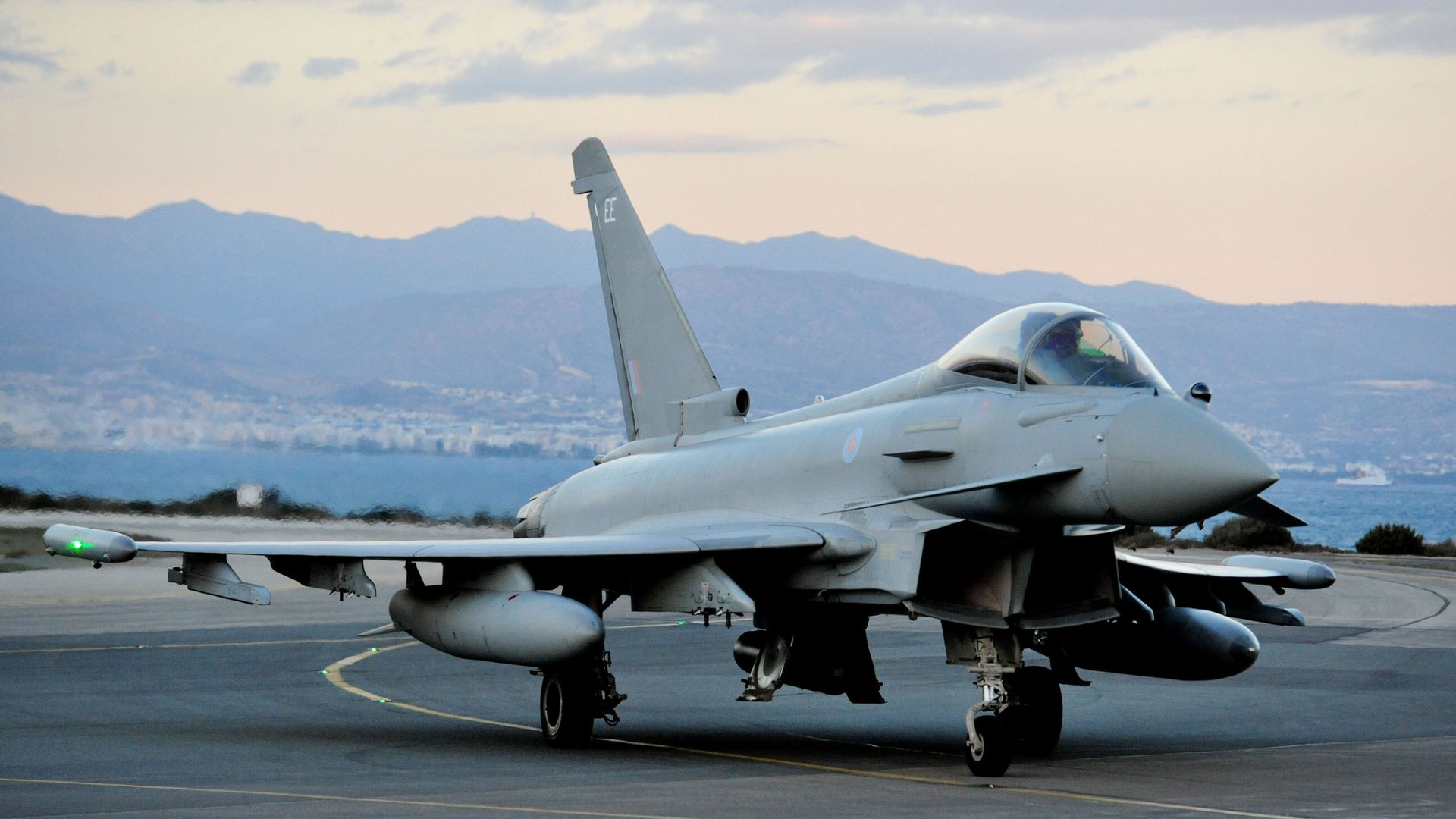
The question is no longer whether France is ready to defend the Gulf, but whether it is ready for the consequences of actually having to do so. The Rafales are on the tarmac, the frigates are in the water, and the diplomatic lines have been drawn in the sand. Now, we wait for Tehran’s move. Check the price of Brent Crude tomorrow morning if you want to know how the market thinks this ends.