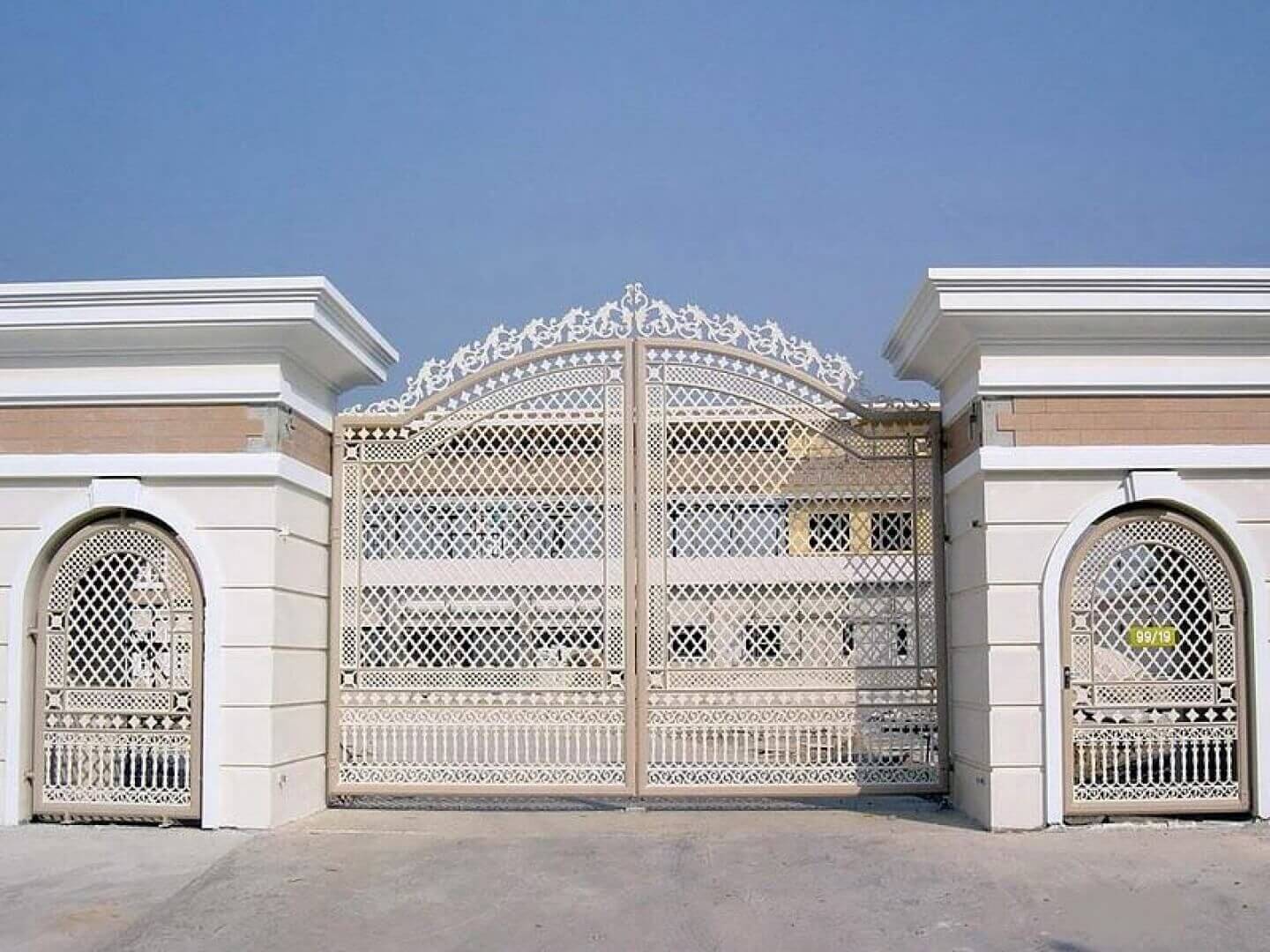
Perimeter fences do not bleed. They do not groan when a pair of wire cutters bites into galvanized steel, nor do they flinch under the weight of a climbing hand. They simply stand, rigid lines of authority cutting across green fields and gravel tracks, holding back an outside world that is supposed to respect the invisible force fields of sovereignty.
We build walls because we are afraid of what lives in the dark. But sometimes, the scariest thing is not that someone crossed the wall. It is how quietly they did it. If you enjoyed this piece, you should check out: this related article.
Picture a stretch of wire in the English countryside. The hour is late, well past midnight, when the hum of regular operations softens into the steady drone of distant traffic and wind rustling through damp grass. Two men emerge from the shadows. They are not ghosts, though they move with the studied economy of people who prefer to go unseen. They carry packs, tools, and a quiet, unbothered resolve. They are Latvian nationals, aged thirty-one and thirty-seven, and they are about to step into one of the most heavily restricted defense installations in the United Kingdom.
This was not a movie scene. There were no laser grids crisscrossing the tarmac, no screeching klaxons sounding off in a bunker beneath the earth, no tactical teams rappelling from black-painted helicopters. There was only a fence, a blind spot, and the terrible, fragile reality of modern security. For another look on this development, refer to the recent update from TIME.
When the news broke of two Latvian men arrested inside a UK military base after a breach, the headlines flickered across screens with the brief, clinical detachment of modern journalism. A violation of the Serious Organised Crime and Police Act. An intrusion. An arrest. Authorities moved in, detained the pair, and the machinery of national security ground into gear.
Yet the facts on the page miss the gravity of the atmosphere. They miss the silence before the flashlights swept across the tarmac.
Security is an illusion we all agree to wear like a warm coat in winter. We trust that the men and women guarding the nation's military heartbeat are watching every sector, every quadrant, every inch of concrete where sensitive hardware rests and strategic decisions are forged. We assume that the perimeter is absolute.
It never is.
Consider what happens when a human being walks past a sign that reads Ministry of Defence Property – Prohibited Area. Most people feel a phantom jolt of adrenaline just reading those words on a placard from thirty paces away. The cultural weight of institutional authority is heavy. It whispers of consequences, of men with sidearms, of cells and interrogations. To ignore that sign requires a specific kind of mental arithmetic. It requires either profound desperation, extraordinary arrogance, or a calculation that the prize on the other side outweighs the cost of the fall.
Why did they go in?
That is the question that hangs in the cool night air over the base, long after the handcuffs clicked into place. Was it espionage? Was it reckless bravado, fueled by alcohol and poor judgment? Was it a bizarre exercise in urban exploration pushed past the boundaries of common sense into the realm of federal felony?
In the immediate aftermath, law enforcement was tight-lipped. Counter-terrorism units did not immediately sound the alarms, but in an era where infrastructure vulnerabilities are scanned with the intensity of a surgeon's laser, every unauthorized footstep on a military installation is treated as a potential prologue to a disaster.
The modern world is wired together so tightly that a single tug on an obscure thread can unravel a sweater miles away. We live in a landscape of heightened vigilance, where physical security and digital paranoia bleed into one another. A military base is no longer just a collection of barracks and motor pools; it is a node in a vast, humming network of defense logistics, intelligence sharing, and geopolitical tension.
When a breach occurs, the failure is rarely just about a missing padlock or a rusty strand of barbed wire. It is a failure of imagination.
We design our defenses against the threats we expect, not the ones that actually happen. We build walls against armies while forgetting that a determined pair of hands with the right tools needs only a few minutes of inattention to mock our millions in defense spending.
Think of the guard on duty. The heavy sweep of the watch, the hours bleeding into one another under the orange glow of sodium-vapor lamps, the heavy weight of a uniform that starts to feel like lead at four in the morning. Human fatigue is the oldest vulnerability in the history of warfare. No algorithm can completely replace the vigilance of a living eye, and no fence can entirely compensate for the sheer vastness of the territory a military installation must protect.
The two men stepped over the line. For a brief window of time, they occupied a space where they had no business being. They walked among assets that millions of pounds were spent to shield from prying eyes. They breathed the air of a restricted zone.
And then the illusion snapped back into place.
Security forces converged. The perimeter closed. The intruders were caught, neutralized as a threat before any catastrophic damage could be measured or confirmed. The system worked, in the end. The net caught the fish.
Yet the unease remains.
Catching the trespasser after the breach is like locking the front door after the burglar has already walked through the living room. It proves the system can react, but it also exposes the terrifying margin of error that exists between what is secure and what is merely assumed to be safe.
As the legal proceedings unfold and investigators pick apart the movements, backgrounds, and motivations of the two men, the larger story fades back into the hum of daily routine. The fence is repaired. The patrols are doubled. The placards are checked.
But out there in the dark, where the wire meets the earth, the silent truth of human vulnerability remains unchanged. No wall was ever built high enough to keep out curiosity, recklessness, or the cold, quiet reminder that safety is not a state of being.
It is an argument we have to win every single night.