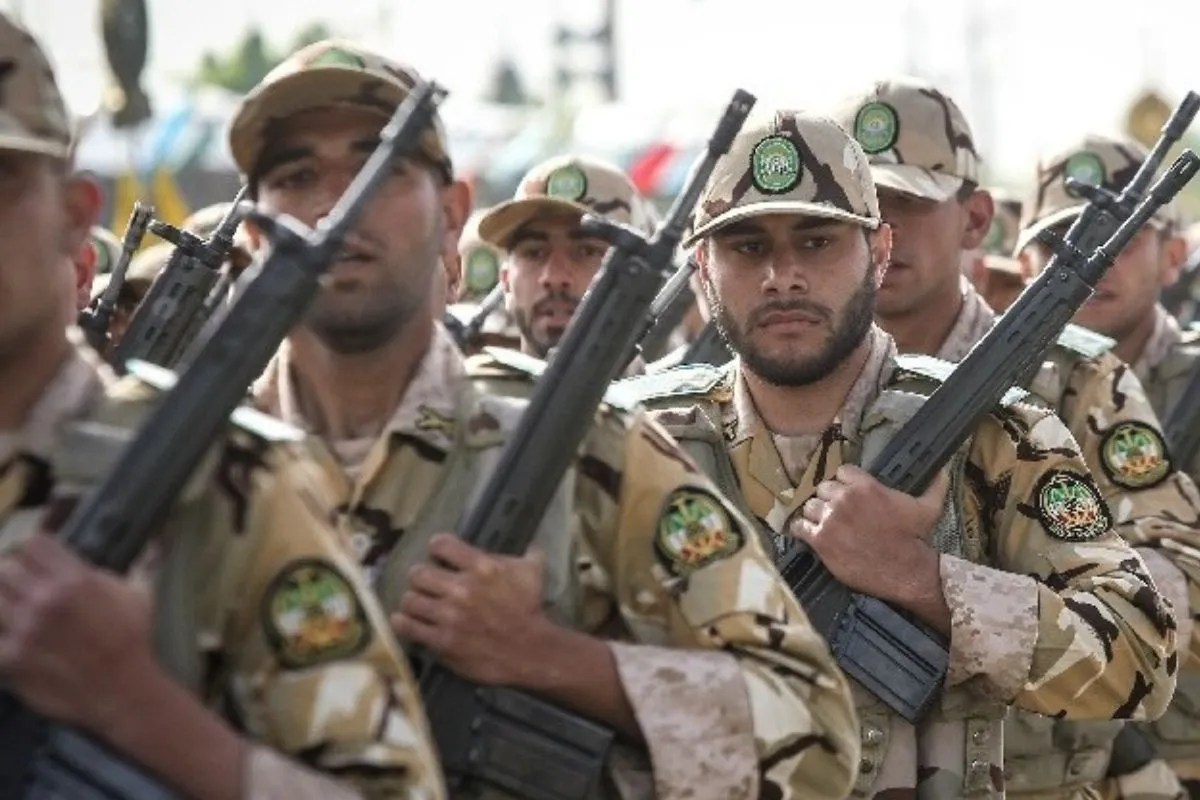
The current shift in Iranian diplomatic posturing suggests a strategic pivot from high-stakes confrontation with the Trump administration toward a targeted engagement with specific American legislative power brokers. Reports indicating that Tehran seeks dialogue with select US leaders—potentially on neutral ground in Pakistan—reveal an attempt to bypass the executive bottleneck in favor of a fragmented, multi-channel negotiation strategy. This move is not an act of desperation but a calculated effort to minimize the "sanctions tax" while waiting for a more favorable shift in the American domestic political cycle.
The Architecture of Backchannel Negotiation
Diplomacy between adversarial nations operates on three distinct layers: formal state-to-state contact, intelligence-led backchannels, and legislative outreach. Iran’s reported interest in Pakistani-mediated talks signifies a preference for the third layer. By targeting specific "influence nodes" within the US government rather than the presidency itself, Tehran aims to achieve three specific tactical objectives:
- Narrative Fragmentation: By engaging with opposition leaders or non-executive officials, Iran creates a divergent narrative within the US domestic sphere, complicating the "maximum pressure" consensus.
- Risk Mitigation: Direct talks with a sitting president carry immense political risk for the Iranian regime's hardline base. Engaging with a "leader" or a legislative figure provides plausible deniability if negotiations fail.
- Intelligence Gathering: These meetings serve as high-level reconnaissance to gauge the actual "floor" of American demands versus the public rhetoric of the administration.
Pakistan as the Geographic Equilibrium
The choice of Pakistan as a potential venue is driven by geographic and historical proximity. Islamabad’s role is not merely as a host but as a "security guarantor" for the physical and logistical aspects of the meeting. The structural advantages of this venue include:
- Regional Neutrality: Unlike European capitals, which are often viewed as extensions of the Western security apparatus, Pakistan maintains a complex but functional relationship with both Washington and Tehran.
- Logistical Sovereignty: The proximity to the Iranian border allows for rapid transit of high-ranking officials without the exposure of long-haul international flights.
- The Saudi-Iranian Variable: Pakistan has historically balanced its ties between Riyadh and Tehran. A meeting in Islamabad suggests a broader regional shift where traditional intermediaries are being swapped for actors with direct skin in the game regarding border security and energy transit.
The Trump Variable and the Institutional Bypass
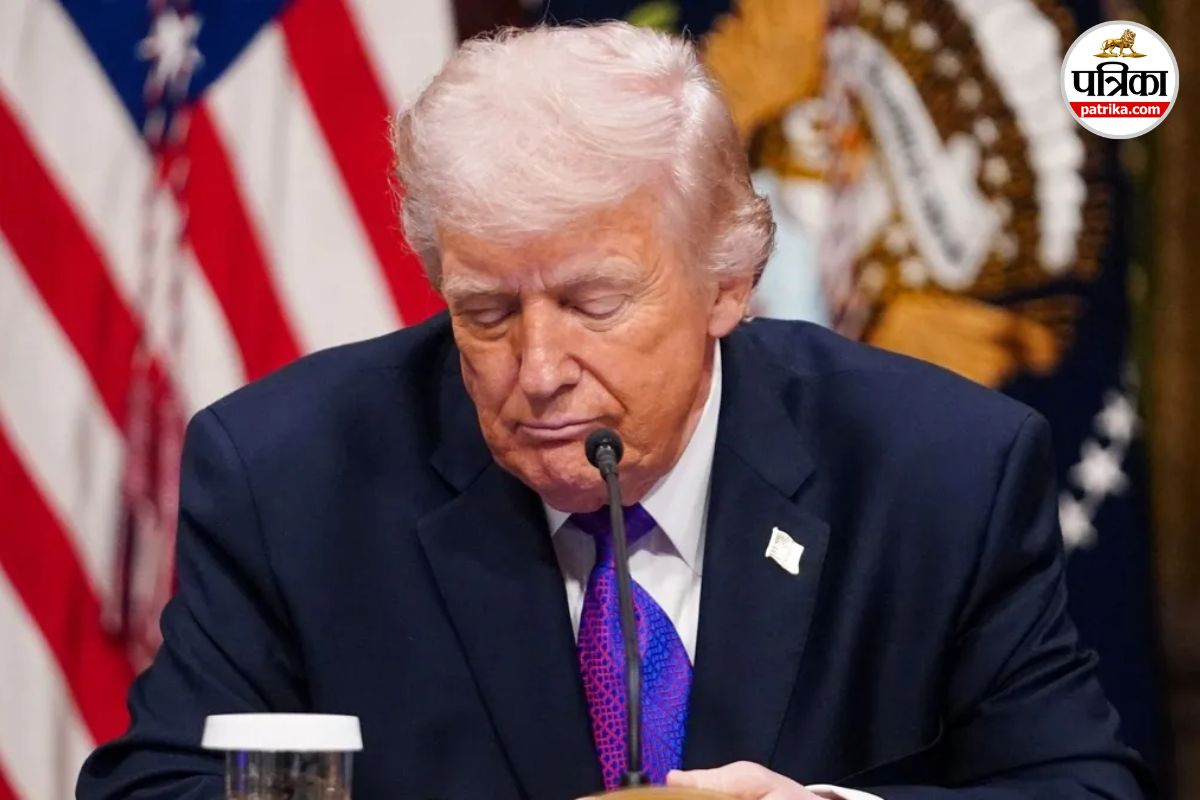
The specific avoidance of direct engagement with Donald Trump—or at least the public framing of such avoidance—stems from a fundamental mismatch in negotiation styles. The Iranian political structure is built on slow, consensus-based deliberation, whereas the Trumpian approach favors rapid, personality-driven "grand bargains."
The cost-benefit analysis for Tehran suggests that a "Grand Bargain" with the current administration is currently too expensive. The "price" would likely include the total dismantling of regional proxy networks and permanent cessation of enrichment, which are viewed as existential defense pillars by the Islamic Revolutionary Guard Corps (IRGC). Consequently, seeking out other leaders is an attempt to find a lower "entry price" for sanctions relief.
The Economic Mechanism of the Sanctions Deadlock
The primary driver for these backchannel attempts is the mounting "liquidity crisis" within the Iranian economy. While the state has mastered "resistance economics," the compounding interest of isolation is degrading long-term infrastructure. The strategy now focuses on "micro-relief"—small, sector-specific exemptions rather than a total lifting of sanctions.
Tehran understands that a full JCPOA (Joint Comprehensive Plan of Action) restoration is unlikely in the current climate. Therefore, the goal of these Pakistan-based meetings would likely be "frozen for frozen" agreements:
- The Iran Offer: A temporary cap on specific enrichment levels or increased transparency for the IAEA.
- The US Ask (via Intermediaries): Release of frozen assets or humanitarian trade channels that bypass the primary sanctions architecture.
Internal Iranian Power Dynamics
The decision to reach out to American leaders is never a unilateral move by the Iranian Foreign Ministry. It reflects a shift in the internal balance between the "Pragmatists" and the "Principlists." The fact that such a meeting is even being discussed in regional media indicates that the Supreme Leader’s office has granted a "limited license" for exploration.
This license is fragile. If the American response is interpreted as a demand for total capitulation, the domestic political cost in Tehran will spike, leading to a rapid shuttering of the backchannel and a return to "kinetic signaling"—increased activity in the Strait of Hormuz or accelerated nuclear development.
The Pakistan-China Alignment Factor
One must also account for the influence of Beijing in this arrangement. As Pakistan’s primary strategic partner, China has a vested interest in stabilizing its energy supply chain. Any Iranian diplomatic movement in Islamabad likely has at least the passive endorsement of Chinese regional planners who prefer a managed tension over a hot conflict that could disrupt the Belt and Road Initiative (BRI) corridors.
Probability of Breakthrough
The likelihood of these talks yielding a formal treaty is low. However, the probability of them establishing a "de-confliction" framework is high. Success in this context is defined not by a signed document but by the absence of further escalation.
The strategy for observers should be to ignore the public rhetoric of "never negotiating" and instead monitor the movement of specific legislative figures and the frequency of high-level Iranian visits to Islamabad. These are the leading indicators of a "gray zone" diplomatic thaw.
The immediate move for the US administration is to determine if this bypass attempt is a genuine opening or a stalling tactic. If the meeting occurs, the focus will inevitably shift to the "menu of concessions." Iran will likely offer non-essential nuclear pauses in exchange for tangible access to the global banking system. The structural bottleneck remains: can any American leader, legislative or executive, deliver significant sanctions relief without a comprehensive overhaul of Iranian regional policy? Until that question is answered, the Pakistan backchannel remains a tactical exercise in time-management rather than a strategic resolution.