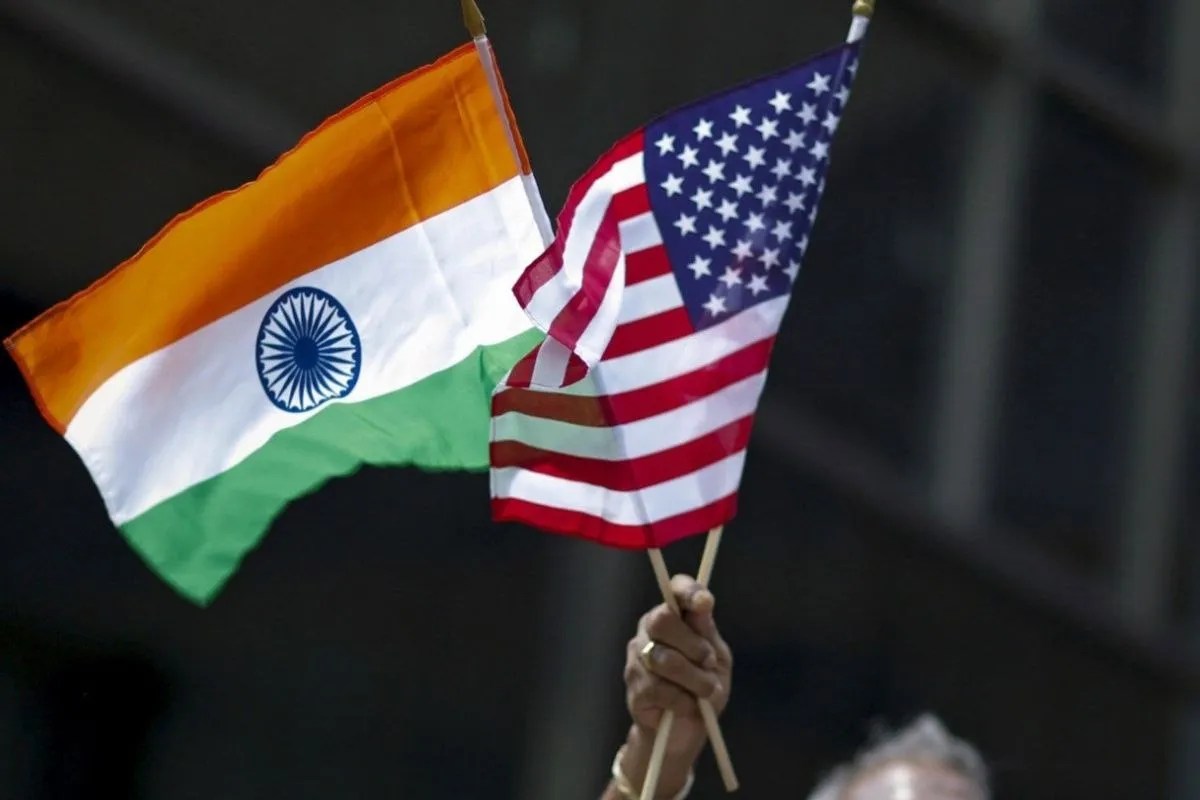
Diaspora communities operating within host nations rely on structural integration mechanisms to transition from cultural enclaves to recognized economic and political stakeholders. When state-level authorities formally institutionalize cultural commemorations, they alter the operational environment for minority groups. The formal designation of August 15 as Indian Independence Day by executive and legislative bodies in New Jersey and New York represents a case study in municipal diplomacy and interest group alignment. Deconstructing this event requires examining the underlying municipal incentives, the mechanics of diaspora mobilization, and the systemic feedback loops generated by transnational recognition.
The Municipal Calculus of Recognition
Elected officials in dense metropolitan sub-jurisdictions do not enact honorary proclamations through random selection. Local governance structures within the tri-state area operate under high-density electoral competition where municipal survival depends on hyper-targeted constituency mapping. The decision by New York and New Jersey leadership to formalize Indian Independence Day functions as a resource allocation and coalition-building strategy. Meanwhile, you can read similar stories here: Diplomatic Friction Points and the Mechanics of Bilateral Shift.
[Demographic Concentration] ---> [Electoral Leverage] ---> [Institutional Concession]
To understand this causal chain, one must map the municipal variable costs against expected electoral returns.
- Voter Turnout Density: Suburbs like Edison in New Jersey or specific zip codes in Queens and Manhattan house high concentrations of first and second-generation Indian-Americans with high civic participation rates.
- Economic Contribution Metrics: Commercial real estate ownership, local business formation, and professional services dominance in healthcare and finance create a powerful municipal tax base.
- Administrative Friction: Issuing a proclamation incurs near-zero fiscal cost for the municipality while yielding disproportionate goodwill from a high-yield donor and voter base.
The formalization acts as a low-cost, high-return financial and political hedge for incumbent politicians. By elevating a foreign national day into an official municipal observance, local governments signal alignment with a demographic that drives regional commercial expansion. To understand the bigger picture, we recommend the detailed report by Al Jazeera.
Economic Footprint and Commercial Leverage
Cultural visibility is a lagging indicator of economic integration. The official recognition of Indian Independence Day in these specific American states correlates directly with the structural maturation of South Asian financial networks.
Corporate Leadership ---> Venture Capital Deployment ---> Real Estate Acquisition ---> Political Capital
This trajectory explains why proclamations occur now rather than decades ago. The South Asian demographic in the Northeast corridor has moved past the initial immigrant phase of labor absorption into capital allocation.
- Executive Density: A disproportionate share of executive leadership in Wall Street institutions, pharmaceutical conglomerates, and regional tech hubs originates from this demographic.
- Commercial Corridor Transformation: Municipalities witness the physical transformation of commercial corridors into integrated economic ecosystems, changing local zoning demands and municipal service priorities.
- Philanthropic Infrastructure: Organized community foundations execute large-scale capital deployment for local civic projects, establishing institutional relationships with municipal leadership that transcend cultural festivals.
State and local governments respond to this concentration of commercial gravity by institutionalizing recognition. The proclamation is not merely symbolic; it is a public acknowledgment of commercial interdependence.
The Mechanics of Transnational Civic Mobilization
Cultural recognition does not occur organically. It requires structured interest-group advocacy capable of navigating municipal bureaucracy. The transformation of August 15 from a localized community event into an officially recognized state date is the result of professionalized lobbying by diaspora organizations.
These entities operate through specific tactical vectors:
- Bloc Voting Discipline: Demonstrating coordinated voting behavior across municipal boundaries to influence local primary elections.
- Institutional Intermediaries: Utilizing trade associations, professional networks, and cultural federations as single-point-of-contact negotiators with mayor's offices and governor's cabinets.
- Narrative Alignment: Framing national heritage events through the lens of shared civic values, economic partnership, and multicultural contribution rather than foreign nationalism.
When a diaspora group successfully frames its cultural milestone as an asset to the host state's identity and economy, the resistance to official recognition drops to zero. Local politicians actively compete for the privilege of signing the proclamation because the narrative aligns with contemporary municipal branding strategies.
Systemic Feedback Loops and Regional Spillover
Institutionalizing a diaspora's national day within major economic hubs like New York and New Jersey creates regional and national emulation effects. Jurisdictions with lower demographic densities observe the transactional success of tri-state municipal lobbying and replicate the framework.
Core Jurisdiction (NY/NJ) ---> Legislative Precedent ---> Secondary Markets (Regional US) ---> Federal Normalization
This dynamic introduces a feedback loop into domestic American politics.
- Precedent Establishment: Once a state with the economic weight of New York or New Jersey codifies a specific international independence day, other state legislatures lose their institutional hesitation to follow suit.
- Bilateral Soft Power: Local proclamations create secondary benefits for international relations, offering sub-national entities a role in economic diplomacy without requiring federal Department of State intervention.
- Identity Institutionalization: Younger generations within the diaspora experience a dual-identity validation that alters their engagement with domestic civic life, encouraging higher rates of running for local office and participating in municipal boards.
Strategic Outlook
The formal recognition of Indian Independence Day by New York and New Jersey serves as a blueprint for immigrant group integration and municipal responsiveness. As demographic shifts continue to alter the American urban and suburban landscape, cultural recognition will increasingly decouple from mere population counts and tether directly to economic and political organization. Municipalities that fail to adapt their ceremonial and structural frameworks to reflect these economic realities risk alienating critical high-value constituencies. Future political capital will concentrate in jurisdictions where civic leadership accurately reads the underlying financial and demographic data of its constituents, transforming private heritage into public institutional permanence.