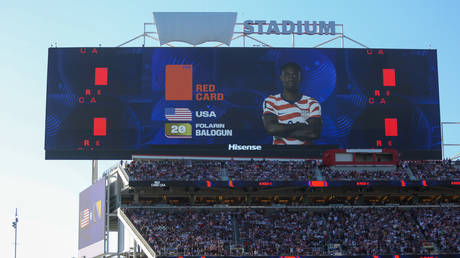
The institutional mechanism governing tournament discipline at the 2026 FIFA World Cup fractured on July 5, 2026. By invoking Article 27 of the FIFA Disciplinary Code to suspend the automatic one-match ban of United States forward Folarin Balogun ahead of the Round of 16 match against Belgium, FIFA deviated from a 64-year regulatory equilibrium. Not since 1962 has a player dismissed via a red card during a World Cup finals tournament avoided an immediate subsequent match suspension.
This intervention establishes a dangerous precedent where sovereign political pressure interacts directly with sports adjudication systems. The operational reality of this decision introduces two structural friction points: the distortion of established disciplinary law and the asymmetric competitive advantage handed to a host nation on the eve of a knockout match. In similar developments, we also covered: The Environmental Risk Matrix of Mexico City World Cup Fixtures.
The Disciplinary Hierarchy: Article 66.4 Versus Article 27
The regulatory conflict within the FIFA Disciplinary Code centers on a structural contradiction between mandatory tournament rules and executive discretionary carve-outs. The Royal Belgian Football Association (RBFA) accurately identified this operational mismatch in its formal protest.
http://googleusercontent.com/chameleon_content/pVepgthfRnMQrxNPGVtcuxKcFCAOvRYFlSXcHLuolLxfzGkdbgZXWvLBakIXIEdRAfMeuBWVnIvIWMCbpbcSTMqrEcasXgNQwHuFgkkIIQlSpQDuqwHUpAzNfiablGccGwMMijucQCZascOTrfIoIbjERlAwyaXxvHfAytugcFoJCvuUreteEVUYLPlsZiayaGOvDbFORveavFvjObVxOVRGTWDVMIxLCHgCrUlveeuZiyErkqVXssGHWYLqtaOOOIrUZKGaKSbKFBoJxevleqGXlJSamhaaZCOaPtWKNxQxbLkKYJYbbGyRUNxNJeDTbXltiarrTVYHuguQHQQnACzpxKGUoeepGZVHYBXgThkYgwRvMiKAxfMdgGNeMniTvBaqnNeCZZHDiPUMuDzfHYMUuSoktzIqWrkvFICeSVCzEUlgPyZmxEFCzNqoCNDPdxtaDEoKZaFKmglrAVUvtRtZlrRxsrSKwoMwFGJnXuFiTaUsCRipXgYYJMaEhwVPSWhbtioEekmwcHnyHDdERKAMEhVDMzEzgLYmfpdmqslMyBwPzYaLXJsgdMxQaQQaIFwCeJBhWrKCFoOYWGYKpwWJBsFKApSRVJBPqMkoUpdGMBQlQLTOkQAzDcFakoiQYzdggyHUpZltXeOlcBvzfVBBYLivuFPLVlGdSUPeFDzMNgqzxjMWYguoNLPubiuvZCpBsxhLUWxvnWwkUVRNLOtafvSJUmPuMHfDlATiNNogaUgjEvdlBOzogliwFIiVjkkeNXZRDZALFuillEJXeAFgAtwqONsERMVrxaupyQWXTCoiwMELFAiBzgvyTxJjKPLgnEwtzrXqvubxetGtKozReAkYyAkUoRVyrrtoPhdRYzfyxOiVMlGznaawaLjXRivOMYrCvKnUDFoXZYFPkDIfxpUXyHuHlzjncneRLRYFhWzlPcSxyzAMknrpjhiTiQxufCKtbigRfXTQZAKCcqxTTsEspclnTRrRWKuJqVvXHgyDFMRCBaqLzRcWRSDSZwwiDgdMSbxvwaCUkyTAyqXfoyBxBfzLlSPxWbbZXDvOtoIFTnFTUpRMTqtadZaISPGppGllhEtkKissJlrZHzzeOQxmaFMsoRSYyMUyioPbaxsujaJaWuvKlnVomGkUlZCGPCGciPjyMCKlksdqsGmSFdXlUOqKEaYwEXuNPBEhErkWwizsfbAzDHWizpVatGwYhQiTGzxEsSLTZOxFReYmLXIcGBasdCtFMmqaseWtSarvKiMNwfurOjvLrRJGFIRZXuMGmxzeRpzYACHUgDYjvUGiIcnvPWlaYQqEUFCYFxLCLSPybqZqoazGdEPYGzSMQeixvwHEBdEwuZQUJaKaLLwQFxjSIfInFrAYqphQTUQqXBcrBkzLFqzJzjtmRlFwclbZfehZvPnFyWXodFbcpclypsyCyCqkTGNgJgfezFfMiFQUqIjraqIoowoXWHQvzfSdDKAtsMYRbCbAlKkoDxUdrmgOQqtDuntulmdCAFSBCpBNxHhvSrowPkQUSjgEGcYnZQWGCnUbpCROcTCjNEQcVCtVmkWmlLATSGUnoEendsjaCRUJYViLPQAEhynRffCpVqCIcyWUGpkYDkSqowcKiTZiOwjdNgBlrxznSOlFGJTvmdGZKxsQnXlrzCyKMdHUMjtaAuSmVblvqIGmDqDLoCzZbNtBfWSlrOsxlbIWpoliOuPEjqClZEbMNlyCmdJVzTNrJrFdcIQkCKLLNVNukmliIMTnjPngubIgTPChTLPeLCSHqNVzkFgDcYjEPFyVAyrJdGbQNNvcVNdBXPKfKDbrZzCxxDFcoBPvPPcITGNHStPVkwUQdQFToGAzuHRjTpdxVlRjFzPyfdDBkDETgTdJDRXfbRGAIzbzfAHBpbtlLPhKZromzJTDUcgVJjkLnbydBnJJywuxrQEzOcpATjNDnlBotVIOOKRDHMXdjBdEykGWEaSPJWkQYoIDQBQPHtURiBykKBpCeWOsbacrFMyEAKleIneBSQtjTExtYAuBAZmBSaLplVzeijoyMJteHTaHXYuUjuMipbWkljsvcphapVlYiHCfoegQHjUcKQWEJLkzstcMQtGYfJMhrZilSXwvQNioOGerfiRWSQCxUSzRLyEBnvBqFeHufLjtiavPPjtccMIIFrjCZdCRIPMXiercYdjcTLtLPJcVVhgAFlqyPgxCakAXDDzTSUoYDoAFdwZwzvQwoJYfPkYLNTwyhCQHqWJYlUcrOnHysdVfYyKUdNcJhBQPLqLHPtaESyNELxaBrOdfaOkLWkvJUuZFvYiCwfdOtKtAbvTLKTHkDqjzMGEuuHllfOdIWGxnXYVVkpxiaavzeDCMTGrMrHdallbXGQQadZIqbWUZDNeJJLdvaKwkWermefOrMYBZkcjmdnHAHrHxvoanASjxtOAGhGfjUvVcpcueVMZeTFezUqlTTjfoPYbtNCfTUxtgSQkDpFFpGvsLIJkyQuTrUKlRNJaZVgQqhMSTMVkJCERhYyzwoDvPcuRCpsqxPeZDWUEWKFipbDIHXLqvQthHqfyhmWkwNvBSNwGzieitIyAmuxBnsIQyKTZvDoukQNKbBtmsCdSWZmcUdoIFXvBlTuRzn9032 Yahoo Sports has analyzed this critical topic in extensive detail.
The standard legal framework for field offenses relies on Article 66.4 of the FIFA World Cup 2026 Competition Regulations, which stipulates that a direct or indirect sending-off automatically triggers a suspension from the team's subsequent match. This rule is designed as an unalterable floor to preserve identical sporting baselines across teams.
FIFA bypassed this baseline by executing Article 27 of its overarching Disciplinary Code. The text of Article 27 explicitly permits a judicial body to suspend the implementation of a disciplinary measure:
$$ \text{If } I_{\text{probation}} \le 1 \text{ year and } C_{\text{infringement}} \sim \text{Gravity}{\text{initial}} \implies S{\text{revoked}} $$
Under these terms, Balogun remains under a one-year probationary window. Should he commit a similar infraction within 365 days, the original one-match ban activates automatically alongside any subsequent penalties.
The systemic flaw in FIFA's legal logic is the lack of an explicit trigger mechanism. Article 27 does not outline the precise evidentiary thresholds required to pause an automatic suspension for field misconduct. By deploying this rule for an on-field red card—issued via Video Assistant Referee (VAR) review by match official Raphael Claus for serious foul play against Bosnia and Herzegovina's Tarik Muharemović—FIFA transformed an exceptional executive valve into an alternative appellate track.
Executive Lobbying and Institutional Vulnerability
The chronology of the reversal exposes the susceptibility of international sports federations to geopolitical leverage. Following the July 1 match in Santa Clara, a series of diplomatic interventions altered the standard regulatory timeline.
- Wednesday, July 1: Balogun is dismissed in the 64th minute. FIFA officials initially communicate that the resulting automatic ban cannot be appealed under standard tournament guidelines.
- Thursday, July 2 to Saturday, July 4: US President Donald Trump conducts three separate communications with FIFA President Gianni Infantino to challenge the validity of the sending-off, labeling the decision an injustice. Concurrently, the United States Soccer Federation initiates technical legal tracks with FIFA's disciplinary committee.
- Sunday, July 5 (Morning): FIFA's disciplinary committee formally delivers the Article 27 reprieve to US Soccer officials.
- Sunday, July 5 (Afternoon): Public confirmation triggers formal pushback from the RBFA, which initiates an investigation into legal remedies via the Court of Arbitration for Sport (CAS).
This sequence indicates that FIFA’s judicial independence operates under a cost-benefit framework influenced by host-nation relations. The United States represents the primary commercial driver of the expanded 48-team tournament. Preserving the host country's competitive viability directly correlates with domestic television viewership, stadium attendance, and localized consumer spending. By yielding to executive branch phone calls, FIFA demonstrated that its disciplinary code functions as a flexible policy instrument rather than a rigid statutory framework.
Tactical Equilibrium and Offensive Output Metrics
Restoring Balogun to Mauricio Pochettino’s tactical system profoundly alters the tactical calculus for the round-of-16 tie at Husky Stadium in Seattle. Balogun’s presence changes the statistical and spatial architecture of the United States attack.
The striker serves as the primary focal point for vertical progression. Throughout the group stage and round of 32, Balogun recorded three goals in three starts, operating as an efficient transitional outlet. His metric profile demonstrates high efficiency in limited-touch scenarios:
- Expected Goals (xG) Conversion: Outperforming baseline tournament metrics by converting low-margin chances through superior box positioning.
- Spatial Disruption: Generating central depth that forces opposing center-backs into deep containment lines, which uncovers structural pockets for inverted wingers Christian Pulisic and Malik Tillman.
- Defensive Pressing Intensity: Executing high-intensity counter-pressing actions within the attacking third, disrupting opponent build-up sequences before they cross the halfway line.
Without Balogun, the United States coaching staff faced a significant structural bottleneck. Alternative tactical configurations required moving Pulisic into a central false-nine role or deploying a traditional, less mobile target forward. Both adjustments reduce the speed of horizontal transitions and make the team easier to defend against.
Conversely, Belgium's defensive strategy must now account for a dynamic vertical threat. This requires their defensive line to drop five to eight meters deeper to mitigate Balogun's recovery pace, creating an intentional midfield gap that the United States can exploit to control possession.
Structural Limitations of the Article 27 Precedent
While advantageous to the host nation in the short term, this ruling introduces significant institutional risks. The primary vulnerability is the erosion of uniform enforcement.
First, FIFA has removed the finality of on-field refereeing decisions confirmed by VAR. If an automatic red-card suspension can be frozen via a probationary clause without clear medical or regulatory justification, every subsequent red card issued to a prominent footballing nation will face similar litigation. This creates an asymmetric system where nations with significant geopolitical or economic influence can pressure the governing body for tournament modifications, while smaller member associations lack the leverage to secure identical outcomes.
Second, the timing of the decision disrupts professional match preparation. The United States squad prepared for three days under a tactical assumption that excluded Balogun, only to pivot back on the team bus less than 32 hours before kickoff. The Belgian team faces an even harsher adjustment, rendering their defensive data models and tactical shape drills partially obsolete on the eve of a single-elimination match.
The long-term management of tournament integrity now requires a clear separation between political state actors and independent sports tribunals. If the RBFA pursues a formal appeal through CAS, the court will have to determine whether FIFA breached its own competition rules by misusing an administrative clause to override a mandatory tournament sanction. Until that legal boundary is clarified, the tournament's sporting parity remains compromised by executive decree.