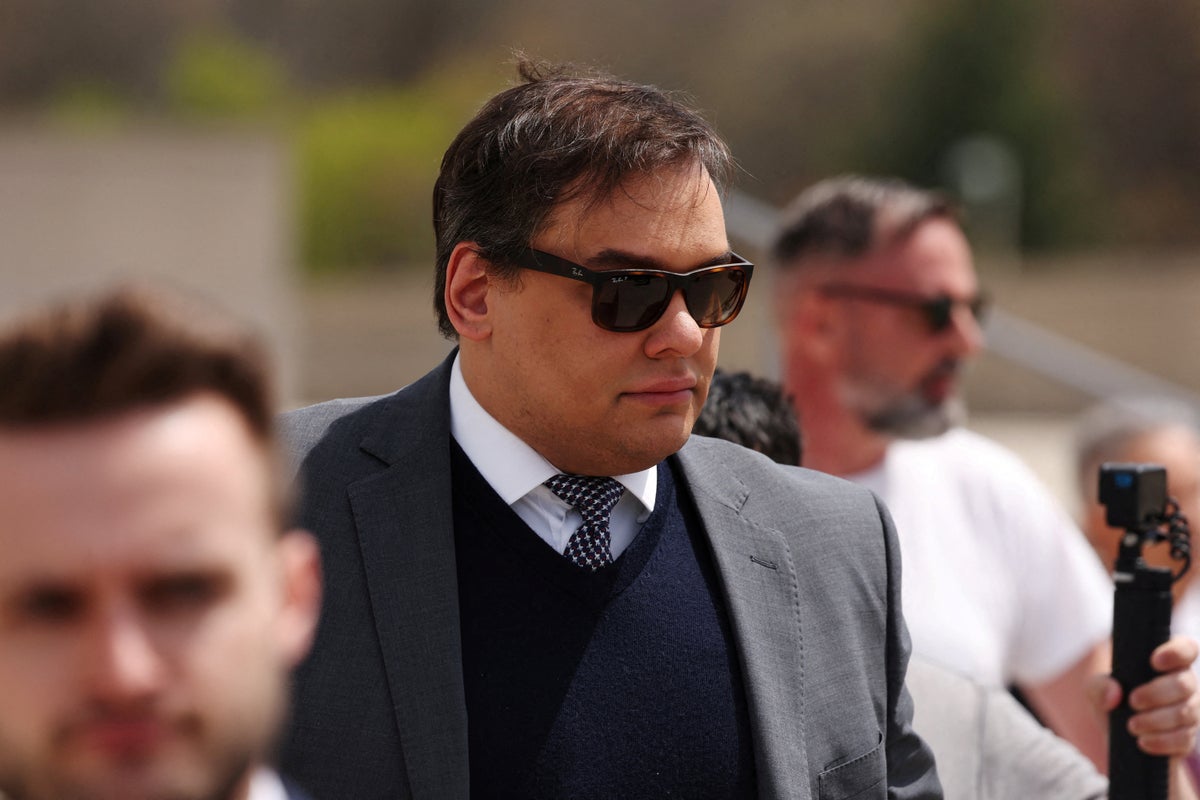
George Santos just paid $35,000 to make a federal investigation go away.
If you've been following the bizarre trajectory of the former New York congressman, you probably aren't shocked. Santos agreed to a settlement with the Commodity Futures Trading Commission over suspicious trades on the prediction marketplace Kalshi. The core issue? He bet against his own attendance at President Donald Trump's State of the Union address, cashed out more than $17,000 in profit, and then acted surprised when federal regulators started asking questions.
Prediction markets are having a massive cultural moment. But the Santos fiasco exposes the messy reality of letting political actors trade on outcomes they can directly influence.
The Anatomy of a Prediction Market Scandal
Back in February, leading up to the high-profile presidential speech, Santos talked endlessly about his plans to pack the gallery. Market odds on Kalshi priced his attendance at roughly 75%. Then, minutes into the address, a post on X popped up from Santos claiming he got stuck at the airport and couldn't make it.
Conveniently, he had already taken the short side of the bet.
When social media investigators connected the dots, Santos shrugged it off on his podcast. He remarked that people win and lose money in markets, framing the backlash as proof of market fragility. But federal watchdogs didn't find it funny. The Commodity Futures Trading Commission stepped in, slapping him with a $17,500 fine alongside the forfeiture of his $17,000-plus trading profits. Regulators also handed down a three-year trading ban.
His defense attorney, Joseph Murray, insisted that Santos had a genuine intention to attend until a winter storm disrupted his travel. According to his legal team, booking a hotel and a plane ticket proves there was no intent to manipulate anything.
The regulators weren't buying the travel excuse, and neither was the rest of the financial world. Rival prediction platform Polymarket cut ties with him entirely months prior as the investigation heated up.
Why Regulators Care About Niche Bets
Most casual observers wonder why federal agencies spend time on a relatively small $35,000 trading penalty when much larger financial crimes exist. The answer comes down to market integrity.
Prediction platforms operate on trust. If participants believe public figures can pump a narrative, take a heavy short position, and intentionally pull the rug by altering their own schedules, the entire ecosystem collapses. It turns into an unregulated insider trading playground.
Kalshi itself took proactive steps, reporting Santos directly to federal regulators and vowing to pursue its own enforcement actions to help reimburse affected traders. When a prediction market turns on a user, you know the optics have crossed into toxic territory.
The Wider Pattern of Chaos
Let's not forget the broader context here. This federal settlement sits on top of an already chaotic resume. Santos previously faced federal wire fraud and identity theft charges regarding his campaign finances, leading to his historic expulsion from Congress. He pleaded guilty, served a brief stint behind bars, and received clemency.
Now, with a reality television appearance lined up for the fall and this prediction market settlement closed, Santos continues his strange march through media culture. He claims he settled simply to put the matter behind him without admitting any wrongdoing.
Yet the three-year ban speaks volumes. You don't accept a multi-year ban from a financial marketplace if you plan on participating legitimately anytime soon.
Keep an eye on how regulatory bodies treat prediction markets moving forward. As these platforms grow into mainstream financial hubs, the loopholes that allowed public figures to gamble on their own daily routines are slamming shut. If you're thinking about dabbling in event contracts, remember the golden rule: insider manipulation leaves a digital paper trail that regulators love to audit.