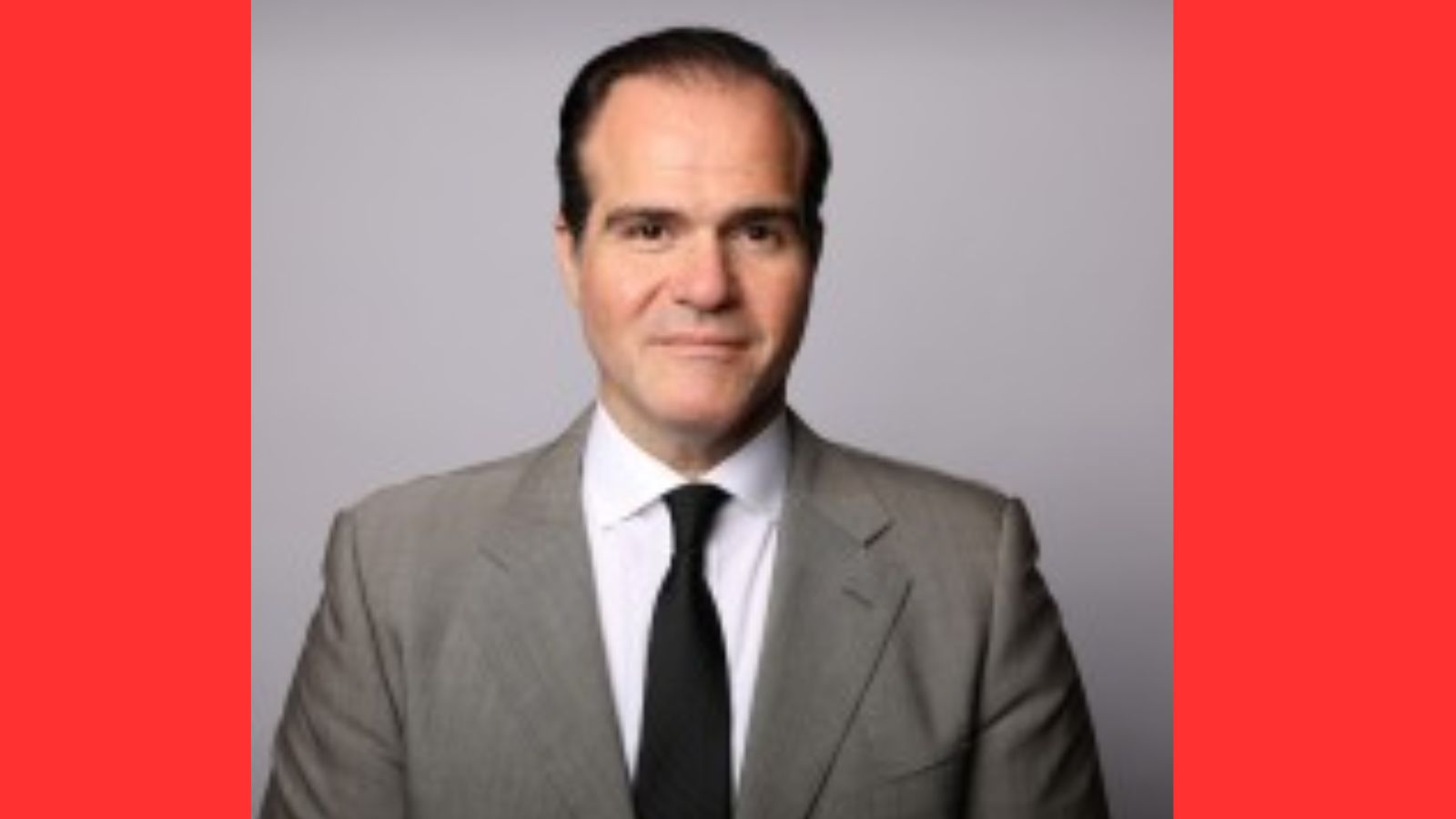
George Santos found a brand-new way to trigger federal regulators. The disgraced former congressman just agreed to hand over thirty-five thousand dollars to settle charges with the Commodity Futures Trading Commission. The penalty stems from a bizarre prediction market scheme involving his own attendance at the State of the Union address.
If you thought his political drama ended after his federal prison sentence and subsequent commutation, you were wrong. Santos keeps finding fresh headlines. This time, his playground was Kalshi.
The State of the Union Bet That Backfired
Back in February, President Donald Trump delivered his State of the Union address. Months earlier, Trump had commuted Santos's seven-year federal prison sentence for wire fraud and identity theft. Fresh out, Santos decided to make a splash on social media.
He posted videos and statements declaring he would be in the gallery for the speech. Prediction markets reacted instantly. Traders pushed the odds of his attendance to roughly seventy-five percent.
What the public didn't know was what Santos was doing behind the scenes. According to federal regulators, Santos bought short positions on Kalshi betting against his own presence. He bet that he would not show up.
Minutes into the speech, Santos posted on X that he was stuck at an airport and watching from a television screen. The market plummeted. Santos quietly cashed out, banking over seventeen thousand five hundred dollars in profit from his own deception.
Inside the CFTC Settlement Details
The CFTC did not find humor in the stunt. Regulators slammed the former lawmaker with charges of manipulative activity and material misrepresentations.
The numbers of the settlement break down cleanly:
- A straight civil monetary penalty of seventeen thousand five hundred dollars.
- Complete surrender of his seventeen thousand five hundred dollars in trading profits.
- A strict three-year ban preventing him from trading on any prediction market platform.
His defense attorney, Joseph Murray, claimed there was no intent to deceive or manipulate any market. The settlement itself was framed as a way to put the messy situation behind them. Regulators disagreed with that narrative from day one. Kalshi flagged the suspicious trading activity internally and referred the matter to federal authorities, sparking the investigations that led straight to this payout.
Why Prediction Markets Are Facing Harder Scrutiny
Prediction platforms like Kalshi and Polymarket are booming. They let everyday users bet on real-world events ranging from elections to pop culture moments. But this exact case highlights the gaping loopholes in how these platforms operate.
When participants have direct control over the outcome of the event they are betting on, traditional market rules break down. Insiders can easily manipulate public sentiment with a single social media post, pump up the odds, and flip their bets for an easy payday.
Regulators are watching closely. The CFTC wants to send a loud message that manipulating event contracts carries a heavy financial price. Platforms are tightening their monitoring software to catch similar behavior before it turns into a public spectacle.
If you are exploring prediction markets yourself, treat them with caution. Watch out for sudden social media hype campaigns driven by public figures with a financial stake in the outcome. Do your own research, ignore the hype, and remember that when someone has total control over the event, the deck is likely stacked against you.