The ground beef in Clara’s basket weighed a fraction of an ounce less than it did six months ago, but the price tag had quietly climbed by twenty cents. She noticed. She always noticed. At seventy-two, Clara lived on a fixed pension that stretched like old rubber band, threatening to snap with every trip to the corner market. She did not need an economics textbook or a televised Federal Reserve briefing to understand that something fundamental had shifted in the machinery of daily life. She could feel it in the hollow space between her monthly income and the cost of keeping her small apartment warm.
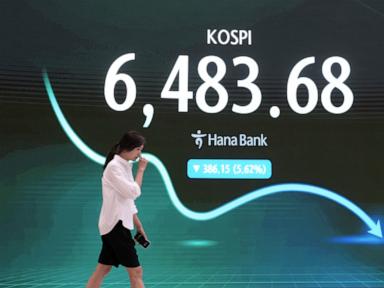
We have been conditioned to fear the word crisis. When older generations talk about inflation, they invoke the jagged, terrifying specter of the late 1970s and early 1980s—lines around gas blocks, interest rates climbing toward twenty percent, currency losing its grip on reality by the hour. Because modern price spikes do not look like that old cinematic catastrophe, forecasters and financial commentators rush to soothe us. They point to charts, curves, and cooling indices. They tell us that supply chains are untangling themselves and that the labor market is merely finding a gentle equilibrium.
They are looking at the wrong map.
To understand what is happening to our money right now, we have to look past the macro numbers and into the kitchen. We have to examine how ordinary people absorb the slow, steady bleed of purchasing power. This is not a sudden, cinematic explosion. It is an erosion. It is the story of a thousand small compromises made at kitchen tables across the country.
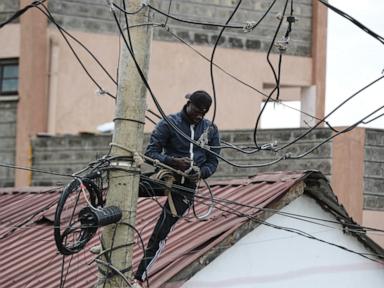
Consider Mark, a thirty-four-year-old independent contractor who builds custom shelving for local bakeries and coffee shops. Two years ago, Mark could quote a client a fixed price for a project and trust that his margins would hold. Today, the cost of treated lumber and specialized hardware fluctuates so violently that he spends half his evenings recalculating estimates. He is not living through a dramatic economic collapse. His business is still solvent. Yet, every week feels like walking across a frozen lake during an unseasonably warm spring. You hear the ice cracking beneath your boots, but you keep moving because you have nowhere else to go.
This is the psychological weight of our current economic moment. The headline numbers might show stabilization, but the baseline has permanently shifted. The price of eggs, rent, insurance, and medical care did not simply spike and return to normal; they spiked, plateaued at a punishing new altitude, and left our wages scrambling to catch up.
Economists call this the sticky-price phenomenon. Human beings call it exhaustion.
When the cost of living outpaces compensation over a sustained period, a quiet behavioral shift occurs. People stop planning for the future because the future feels too expensive to contemplate. Savings accounts are treated not as a cushion for tomorrow, but as a temporary holding tank for next week's bills. When financial anxiety becomes the ambient background noise of existence, it changes how we treat each other. It makes us defensive. It makes us cynical.
Yet, history suggests that we survive these transitions by rediscovering local resilience. In times when national currencies feel wobbly and corporate pricing feels detached from human reality, communities naturally stitch themselves back together. We see it in the resurgence of tool-sharing libraries, neighborhood bulk-buying co-ops, and freelance barter networks where a plumber fixes a carpenter’s leak in exchange for handcrafted shelving.
We are learning, slowly and painfully, that stability is not something handed down from central banks. It is something we build with our neighbors.
Clara will not get a raise on her pension. Mark will still have to check lumber prices three times before committing to a client. The numbers on the grocery store shelves will not magically roll back to the prices of five years ago. But recognizing these truths is the first step toward reclaiming our agency. We are not trapped in a rerun of history's worst economic nightmares. We are navigating a new terrain altogether, one where the old rules no longer apply, and where our survival depends entirely on our ability to adapt, to connect, and to refuse to let the quiet erosion of our purchasing power erode our humanity as well.
The receipts in our pockets will keep changing. The question is whether we will let them define the value of our lives.