There is a specific kind of silence that falls over a room when an open secret suddenly becomes unspeakable. It is heavy, weighted down by the collective realization that a boundary has been drawn, not in sand, but in stone.
Picture a curator standing in the hushed, cavernous vault of a major metropolitan museum, staring at a mannequin draped in bias-cut silk that catches the light like liquid silver. The fabric moves with a terrifying grace. It is a masterpiece born of absolute genius, engineered by hands that understood human longing better than almost anyone else of their generation. Yet, looking at that garment today requires a strange mental gymnastics. You have to separate the stitch from the speaker, the beauty from the venom. And increasingly, the world is deciding that the subtraction is no longer possible.
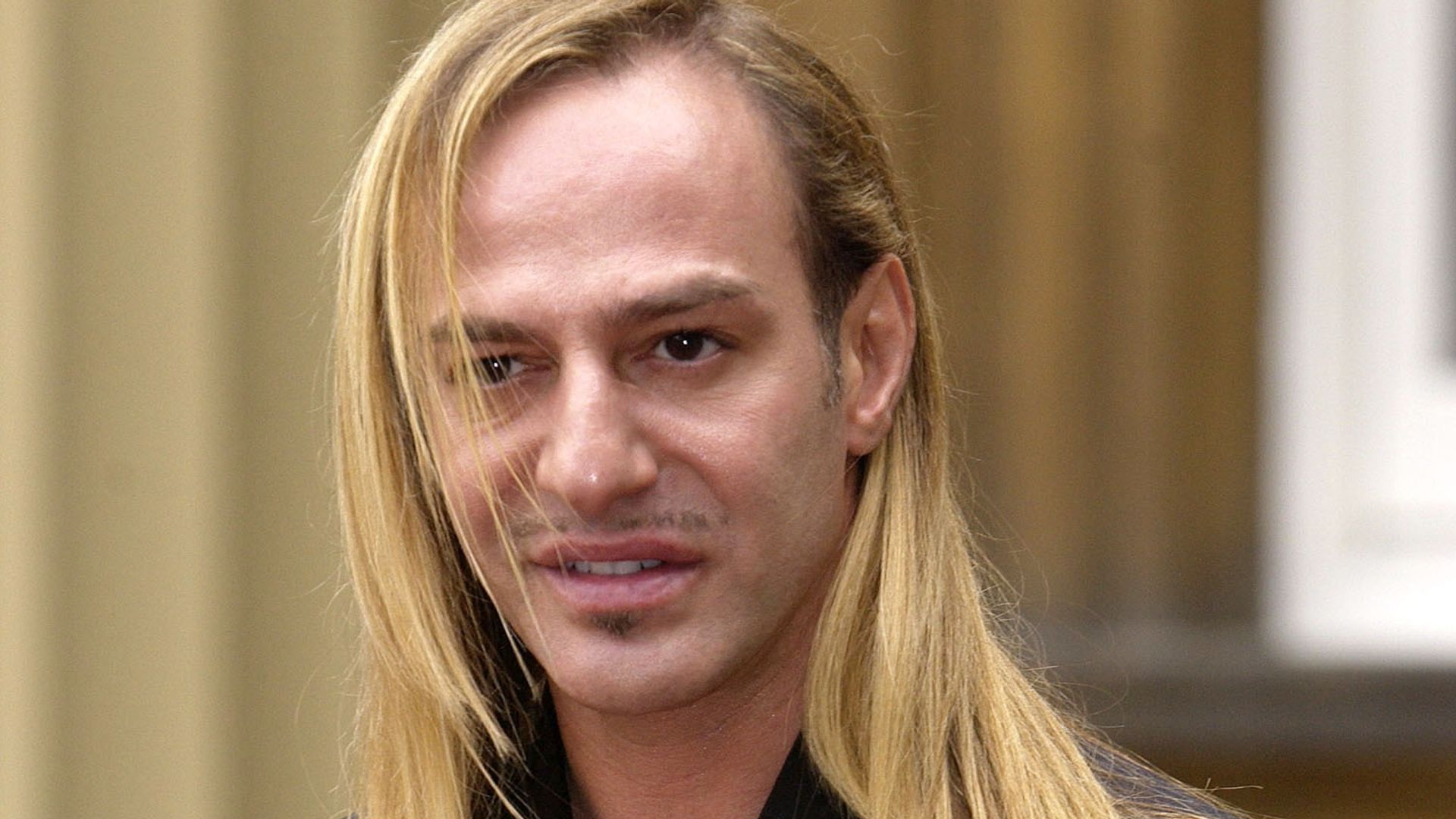
The cancellation of the planned Metropolitan Museum of Art Costume Institute exhibition honoring John Galliano is not merely a scheduling update. It is a cultural tremor. It forces us to look directly at the fracture line where high art collides with deep, unforgiving moral reckoning.
To understand why this moment matters, we have to look backward to the runway spectacles that once defined an entire era of fashion. In the late nineteen-nineties and two-thousand-and-first, Galliano was not just designing clothes; he was staging theatrical awakenings. For Dior and his own eponymous label, he transformed aircraft hangars and grand Parisian salons into fever dreams of historical romance, Dickensian grit, and cinematic excess. Models emerged from clouds of dry ice looking like aristocratic castaways or silent-film heroines. He was a mythmaker. Editors wept. Buyers scrambled. The culture consumed his vision ravenously, intoxicated by the sheer scale of his imagination.
Then came two thousand and eleven.
The descent was swift, public, and profoundly ugly. In a Parisian café, captured on video, came the outbursts of antisemitic vitriol that shattered his career in a matter of seconds. The industry recoiled. Dior dismissed him instantly. The man who had been fashion's reigning monarch found himself cast into the outer darkness, stripped of his crown, his reputation, and his platform.
Years passed. Rehabilitation, quiet and arduous, began in the Orthodox Jewish community of all places, studying the history of antisemitism, seeking out counsel, attempting to understand the mechanics of hatred. Slowly, quietly, the fashion world allowed him back. Artisans missed his hands. Designers admired his technical brilliance. When he took the helm at Maison Margiela, his haunting, porcelain-skinned creations proved that his genius had not dulled. The prodigal son was permitted to return, provided he kept his head down and let the clothes do the talking.
Until the museum came calling.
An exhibition at the Met is the ultimate secular canonization. It is immortality framed in plexiglass and curated for the masses. It tells the world that a creator is not just a participant in history, but a defining pillar of it. And that is precisely where the architecture of the tribute began to buckle.
Consider the invisible stakes of cultural curation. Museums are not neutral warehouses. They are moral choices made manifest in drywall, lighting, and descriptive placards. When an institution elevates a creator to the status of a retrospective icon, it implicitly packages their entire legacy for public consumption.
Behind closed doors, the discussions must have been agonizing. On one side stood the curators and admirers, pointing to the undeniable influence Galliano holds over modern design. Every modern avant-garde silhouette bears his fingerprints. On the other side stood the weight of the past, the victims of bigotry, and the uncomfortable truth that celebrating the art requires looking away from the architect's catastrophic moral failures.
Backlash arrived not as a sudden storm, but as a rising tide. Conversations among institutional leadership turned urgent. Questions hung in the air like smoke. Can we separate the masterpiece from the monster? Does time dilute the potency of hate speech? And perhaps most piercingly: what message does it send to elevate a man whose historical low point involved vicious, public bigotry against a marginalized group, particularly at a time when identity-based hatred is surging globally?
The museum blinked. Or perhaps, the museum listened. The exhibition was quietly shelved, a rare retreat for an institution that thrives on high-stakes spectacle.
This is where the story shifts from fashion gossip to a broader human dilemma. We live in an era desperately trying to figure out what to do with broken icons. We want our geniuses to be whole, our heroes to be noble, and our art to be pure. Yet history is messy, populated by flawed mortals who often build breathtaking cathedrals with hands that have also caused immense harm.
When the exhibition was called off, it did not solve the problem of John Galliano. It merely highlighted our collective confusion over accountability. We do not know how to forgive without forgetting, and we do not know how to condemn without erasing. We swing wildly between total cancellation and absolute absolution, finding little comfort in the gray spaces in between.
The silk dress still hangs in the archive, wrapped in acid-free tissue paper, waiting for a future that knows what to do with it. Outside, the world keeps spinning, more fractured than before, searching for a way to honor beauty without honoring the ugliness that so often accompanies it.