The English Channel is never truly quiet. If you stand on the white cliffs of Dover on a crisp morning, the water looks like a slate grey highway, churning with the wake of hundreds of vessels. It is one of the busiest shipping lanes on earth. You see the massive container ships, stacked high with colorful metal boxes, and the steady churn of commuter ferries. It feels orderly. It feels watched.
But beneath that veneer of maritime bureaucracy lies a high-stakes game of hide-and-seek.
Think of a massive oil tanker. It is longer than two football fields, weighing over a hundred thousand tons, deep-hulled and pulsing with the vibration of a massive diesel engine. Now, imagine trying to make it invisible. Not with a cloaking device from a science fiction movie, but with the simple flick of a switch and a thick coat of mismatched paint.
This is the reality of the shadow fleet. And recently, one of these ghosts materialized right in the United Kingdom’s front yard.
The Midnight Intercept
The Royal Navy crew aboard the HMS Iron Duke knew what they were looking for, even if the global tracking systems said the patch of water ahead of them was empty.
Every commercial vessel of a certain size is legally required to broadcast its position via an Automated Identification System (AIS). It is the digital heartbeat of modern seafaring. It tells authorities who you are, where you are going, and how fast you are moving. It prevents collisions. It ensures accountability.
When a ship goes dark, it is signaling something loud and clear: it does not want to be seen.
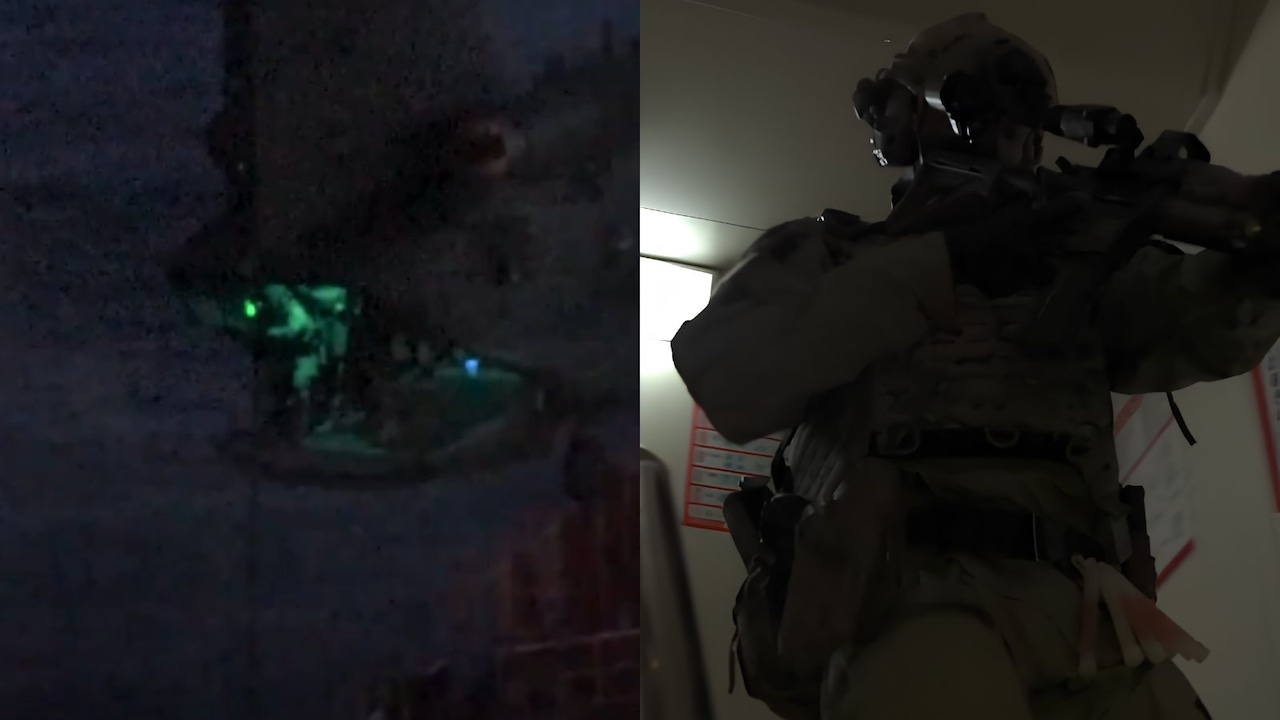
The target was a Russian shadow fleet tanker, cutting through the narrow choke point of the English Channel. It was loaded with crude oil, riding low in the water. The Royal Navy, operating alongside allied aircraft, locked onto its position. The visual of the intercept is striking. A sleek, grey British warship shadowing a rust-streaked, nameless titan against a backdrop of choppy, hostile waves.
There were no shots fired. No boarding parties scaling the hull with knives between their teeth. Modern maritime enforcement is a psychological war of proximity. The Iron Duke stayed close, trailing the tanker, making it known that while the ship might be invisible to civilian radar, it was squarely in the crosshairs of military intelligence.
To understand why this cat-and-mouse game matters to someone sitting in a comfortable living room miles from the coast, we have to look past the steel hulls. We have to look at the money, the desperation, and the catastrophic risk floating just off the beaches where families spend their summer holidays.
How to Build a Ghost
Why does a shadow fleet exist? The answer is a direct line of cause and effect stretching back to geopolitical sanctions.
When Western nations imposed strict price caps and bans on Russian oil to dry up funding for the war in Ukraine, the Kremlin faced a massive logistical problem. They had millions of barrels of oil, but the mainstream global shipping industry—insured largely by Western companies and bound by Western laws—could no longer legally transport it above a certain price.
The solution was a masterclass in grey-market capitalism.
A parallel maritime universe was born. Entities operating out of shadowy jurisdictions began buying up aging oil tankers that were headed for the scrap yard. These are ships that should be retired. They are old. Their hulls are tired. Their maintenance records are a patchwork of half-truths and deferred repairs.
To appreciate the scale of this, imagine driving an uninsured, uninspected 1998 semi-truck loaded with flammable chemicals down a packed multi-lane highway in the dead of night with your headlights turned completely off. That is the shadow fleet.
These ships do not use reputable Western insurance. They use obscure, unbacked firms or carry no insurance at all. They change their names frequently, masking their identities under flags of convenience from countries that lack the resources or the political will to inspect them. One week a ship is flying the flag of Panama; the next, it is registered in Gabon.
When these tankers enter sensitive waters, they turn off their AIS transponders. They spoof their GPS signals, making it look like they are sitting safely in the Mediterranean when they are actually loading crude oil at a terminal in the Baltic Sea. They perform ship-to-ship transfers in the open ocean, pumping millions of gallons of oil from one vessel to another in the dark to obscure the origin of the cargo.
The Invisible Stakes
It is easy to view this through the cold lens of international relations. We see it as a story about sanctions, geopolitical leverage, and military readiness. But the real danger is far more visceral.
The English Channel is a notoriously unforgiving stretch of water. The currents are treacherous, the visibility can drop to zero in minutes, and the traffic is relentless. Navigating it requires precision, modern equipment, and a crew that is rested and qualified.
Now, consider the human element inside one of these shadow tankers.
Picture a merchant mariner on the bridge of that blacked-out ship. He is likely underpaid, hired through a third-tier agency that doesn't care about maritime labor conventions. He knows his ship is a pariah. He knows that if the engine fails, or if his steering locks up in the middle of a shipping lane, there is no corporate safety net coming to rescue him. The owners of the ship are hidden behind layers of shell companies in Dubai or Cyprus. If something goes wrong, they will delete their email addresses and disappear.
If a modern, well-maintained tanker gets into trouble, the protocol is clear. The captain calls for tugs, the insurers coordinate a response, and the coastal state deploys environmental salvage teams immediately.
If a shadow tanker splits its hull open on a sandbank in the Channel, who pays for the cleanup? Who coordinates the rescue? The answer is nobody. The financial and environmental disaster lands entirely on the doorstep of the nearest coastline.
A major oil spill in the English Channel would devastate the maritime economies of both the UK and France. It would choke wildlife, destroy fisheries, and close vital shipping lanes for weeks, triggering a chaotic ripple effect through global supply chains. The shadow fleet is gambling with the health of the planet's oceans to keep a illicit revenue stream flowing.
The Watchers on the Wall
This is why the deployment of the HMS Iron Duke was not just a routine patrol. It was a statement of sovereignty and a demonstration of capability.
The UK military, by actively tracking and intercepting these vessels, is sending a message to the syndicates operating the shadow fleet: We see you.
The technology used to track these ghosts is a quiet marvel. It relies on a sophisticated web of satellite imagery, synthetic aperture radar that can pierce through thick cloud cover, and behavioral analytics that flag when a ship is behaving strangely. If a tanker suddenly stops broadcasting its location, algorithms flag the anomaly, and military eyes are trained on the last known coordinate.
Yet, tracking them is only half the battle. The legal framework of the high seas is notoriously slippery. Under the United Nations Convention on the Law of the Sea, ships enjoy the right of "innocent passage" through international straits, including the English Channel, as long as they aren't actively engaging in hostile acts.
This means the Royal Navy cannot simply seize every dark tanker that passes by. It is a frustrating, delicate diplomatic tightrope. The military must shadow, document, and pressure these ships, gathering the hard evidence needed to sanction individual vessels, banning them from Western ports entirely and cutting off their ability to operate.
It is a slow, grinding war of attrition fought with paperwork, radar signatures, and grey hulls cutting through cold water.
The Horizon
The sun sets over the Channel, casting long shadows across the water. The Russian tanker, watched closely by British sailors, eventually clears the narrow strait, continuing its journey toward some distant port willing to accept its tainted cargo. The Iron Duke turns back to its patrol, its crew preparing for the next ghost that will inevitably try to slip through the dark.
The shadow fleet is not shrinking. As long as there is profit to be made in bypassing global norms, these aging titans will continue to roam the oceans, masked and uninsured. They are a reminder that the global economy is not a seamless, well-oiled machine, but a fragile system constantly under strain from those who wish to operate in the dark.
The next time you look at the sea, remember that the horizon holds more than just waves and the distant glint of sunlight on metal. It holds a hidden struggle for accountability, waged by crews who spend their nights watching the shadows, ensuring that the ghosts of the global economy cannot move entirely unseen.