The air in Caracas tastes of dust and old gasoline. Step outside into the stifling heat of an afternoon in the capital, and you can smell the invisible weight of a nation resting on a slippery, dark substance buried thousands of feet below the earth. For years, that substance was treated like a curse. Pipelines rusted. Refineries choked on their own neglect. The pumps groaned, fell silent, and left millions in the dark, staring at empty plates and flickering candles.
Then came a digital ping.
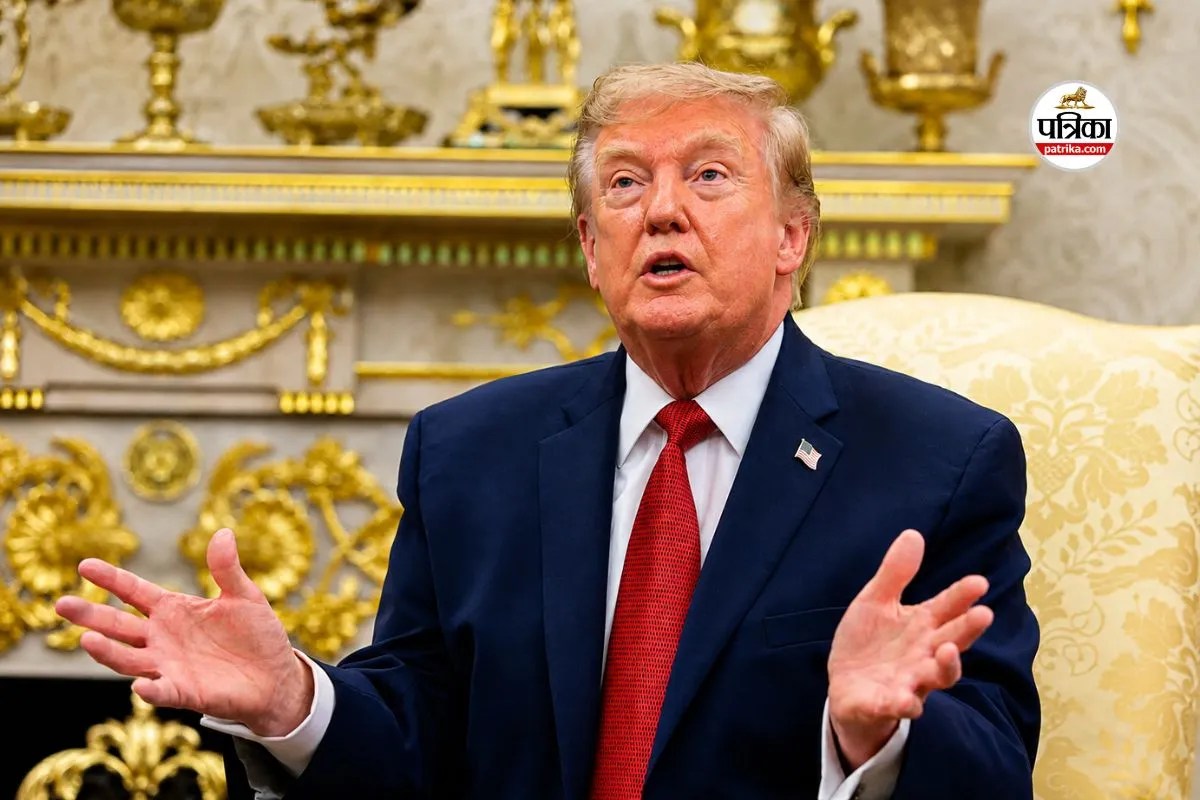
A screen lit up in Mar-a-Lago, glowing against the Florida night. A few tapped sentences on Truth Social. Donald Trump typed out what he saw as the ultimate prize, a declaration that sent shockwaves through the geopolitical ether: the largest oil deal in history. Just like that, the conversation shifted from humanitarian despair to the heavy chess of global energy dominance.
To understand why a few lines of text can rattle markets from Houston to Vienna, you have to look past the spreadsheets. You have to stand on the docks of Lake Maracaibo at dawn.
Imagine a rusted tanker, its hull stained with salt and decades of deferred maintenance, sitting low in the water. This is not a sleek corporate vessel. It is a ghost ship of the embargo era, operating in the shadows, its transponder dark, slipping past international blockades under the cover of night. On board, roughnecks with grease-stained hands and hollow eyes watch the pressure gauges. They are the human cost of a multi-trillion-dollar game they do not control. When American political machinery turns its gaze toward Venezuelan crude, these are the men who feel the first tremor.
Oil is never just a commodity. It is blood, muscle, and sovereignty.
For over a century, Venezuela sat atop the largest proven crude reserves on the planet. More than Saudi Arabia. More than Iran. Yet, ordinary citizens stood in winding lines for hours just to buy a bag of flour, while inflation turned paper currency into confetti. How does a country float on an ocean of black gold and still die of thirst?
Mismanagement. Sanctions. Corruption. A trifecta of ruin.
When the United States clamped down with maximum pressure sanctions years ago, the intention was clear: squeeze the regime until the political structure fractured. Instead, the regime dug in, and the infrastructure decayed. Millions fled across borders, carrying only backpacks and harrowing memories. The oil stayed in the ground, thick and heavy, waiting for a key that fit the lock.
Enter the transactional pragmatism of American leadership.
When Trump proclaims a monumental oil pact, he isn't speaking the language of diplomacy; he is speaking the language of the balance sheet. In his view, leaving Venezuelan oil locked away or shipped off cheaply to distant adversaries is a squandered strategic asset. Bring it back into the Western fold. Repair the broken pipelines. Let American engineering and capital flow south, and let the heavy crude feed the massive, complex refineries along the Gulf Coast of Texas and Louisiana, which are custom-built specifically for this dense, viscous petroleum.
It sounds simple on a glowing smartphone screen. It is anything but.
Consider what happens next in the quiet backrooms of power. Energy executives do not pop champagne when political declarations are made; they reach for calculators and risk assessments. Can contracts signed today survive the volatile pendulum of American electoral politics? What happens to the millions of barrels if a new administration reverses course in four years? Trust, once shattered, takes longer to rebuild than a refinery.
(Note: While the political rhetoric paints a picture of an instant economic windfall, the reality on the ground requires billions in capital expenditure just to bring shuttered wells back to baseline production.)
There is also the human element of sovereignty. For a proud Venezuelan population, watching foreign powers divvy up their natural resources stirs a deep, historical resentment. They remember the twentieth century, when foreign corporations extracted unimaginable wealth while local neighborhoods remained mired in poverty. They want prosperity, yes. They want electricity that stays on, hospitals with medicine, and wages that feed families. But they do not want to feel like tenants in their own land.
The paradox of the modern energy landscape is that the green transition is accelerating, yet the world remains hopelessly addicted to the black stuff. Every electric vehicle rolling off an assembly line still relies on a global supply chain anchored by fossil fuels. When supply tightens, inflation bites everywhere. Food prices climb. Heating bills spike. By eyeing the vast untapped potential of Venezuela, the architects of this strategy are looking for a shock absorber to protect Western economies from foreign cartels.
Yet, every barrel pumped under the banner of a grand geopolitical deal carries a shadow.
Back on the dock in Maracaibo, the sun climbs high, turning the oil-sheened water into a mirror of blinding light. The tanker pulls away, its engine thrumming a low, guttural note that vibrates through the pier. It carries millions of dollars worth of energy, bound for distant ports where consumers will flip light switches and drive to work without ever pausing to think about the cracked hands that drew it from the earth.
The tweet fades from the trending feeds. The political rallies move on to the next fiery talking point. But the crude remains, dark, heavy, and eternal, waiting to see who will finally claim its throne.