The Republican effort to lock in a generational hold on power through a top-down federalization of election mechanics is currently collapsing under its own weight. In an attempt to insulate the party from the traditional "midterm curse," the administration has triggered a civil war with state officials and alienated the very swing voters who delivered the 2024 victory. Instead of a fortress, the party has built a lightning rod.
The "backfire" isn't just a matter of bad polling; it is a structural failure of a strategy that traded local autonomy for centralized control. By demanding that red-state governors and local election boards cede authority to federal oversight, the White House has turned reliable allies into quiet insurgents.
The Federal Overreach Trap
For decades, the Republican mantra was decentralized power. That changed in early 2025. The administration began pushing for a "nationalized" election system, ostensibly to combat fraud, but the mechanism—a series of executive orders and the "SAVE America Act"—required states to surrender their constitutional right to manage their own ballots.
The friction began in the South. In states like Texas and Georgia, where Republican officials have spent years refining their own election laws, the arrival of federal "State Citizenship Lists" and DOJ monitors was met with immediate hostility. These local officials didn't see a helping hand; they saw a federal takeover that mirrored the very "big government" overreach they had spent their careers campaigning against.
This internal friction has effectively paralyzed the party's ground game. While the RNC focuses on legal challenges and federal mandates, the actual work of voter mobilization at the precinct level has fallen into disrepair. The machine is fighting itself, and the gears are grinding to a halt.
The Latino Reversal
The most significant strategic blunder lies in the assumption that the 2024 Latino surge was a permanent realignment rather than a conditional loan.
In 2024, the GOP made historic gains with Hispanic men, largely on economic grounds. However, the 2025-2026 focus shifted abruptly from "inflation and jobs" to "citizenship verification and mass audits." For a voter who chose a Republican because their grocery bill was too high, a sudden obsession with "showing papers" at the polling place feels less like a policy win and more like a personal affront.
- Approval Cliff: In February 2025, Latino approval for the administration sat at a historic high.
- The Drop: By December 2025, that support had cratered by nearly 20 points in key battlegrounds like South Texas and Arizona.
- The Cause: Voters cite "excessive measures" and a lack of focus on the cost-of-living crisis as the primary reasons for their retreat.
The irony is thick. The very measures designed to "secure" the vote are the ones driving the most essential new Republican constituency back toward the Democratic fold.
The Mid-Decade Map Blunder
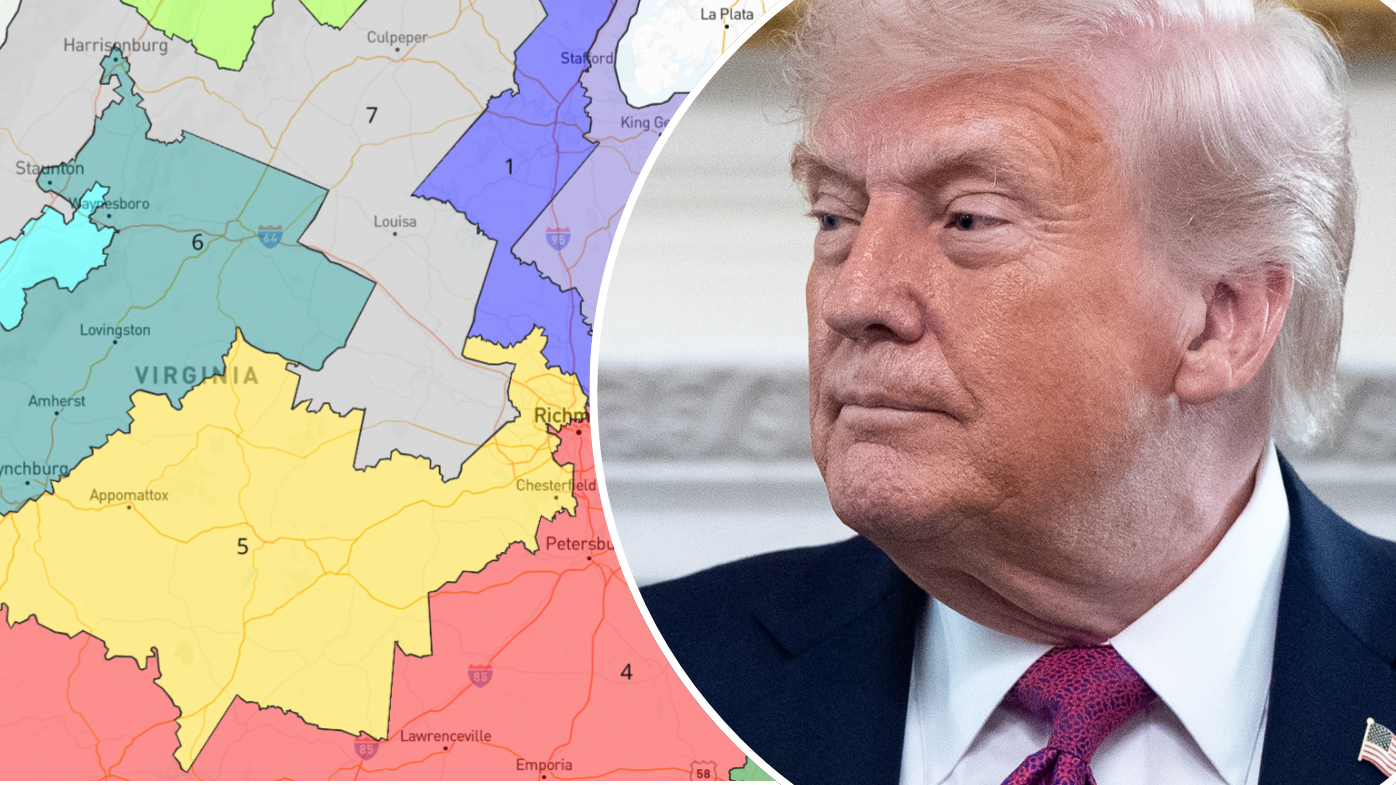
In a desperate move to expand their House majority, the administration pressured several red states to engage in mid-decade redistricting. The goal was simple: carve out five to seven new "safe" seats to offset potential losses elsewhere.
It hasn't worked. In Texas, the attempt to gerrymander more GOP wins has instead created "mutant" districts that are geographically nonsensical and legally vulnerable. By packing Democratic voters into fewer districts, the GOP unintentionally created several "swing" districts that are now trending blue as the administration's national popularity dips.
The Math of a Failed Map
Suppose a state tries to turn a 55-45 Republican advantage into a 65-35 advantage by spreading Republican voters thin across more districts. In a "wave" year where the party is popular, this works perfectly. But if the party's support drops by even 6%, those "thin" Republican majorities vanish.
This is the "fragility trap." By trying to win everywhere, the GOP has made it possible to lose everywhere. They traded deep, safe margins for wide, shallow ones. As the president's approval rating sits at roughly 42%, those shallow margins are currently underwater.
The Institutional Brain Drain
Inside the RNC, the shift has been even more seismic. The takeover by the "MAGA" wing led to a wholesale purging of the data scientists and field directors who understood the nuances of swing-state turnout. They were replaced by loyalists whose primary expertise is in litigation and "election integrity" audits.
While litigation can stop a law, it cannot knock on a door.
The Democratic National Committee, meanwhile, has exploited this vacuum. They have focused on a "hyper-local" strategy, ignoring the national noise and focusing on the bread-and-butter issues—healthcare costs and local infrastructure—that the GOP has abandoned in favor of its "nationalization" project. The result is a lopsided battlefield where one side is fighting a legal war in Washington while the other is winning a political war in the suburbs.
A Party Without a Safety Net
The traditional "safety net" for a president in trouble is a strong, independent legislative branch that can pivot to popular policies. But the current GOP leadership in the House and Senate has tied its fate so closely to the White House's "nationalization" agenda that they have no room to maneuver.
They cannot distance themselves from the unpopular "show your papers" rhetoric without alienating the base, yet they cannot win the midterms without the suburban independents who find that rhetoric toxic.
The strategy was designed to ensure power regardless of popularity. But in a representative democracy, the mechanics of voting only matter if you have people willing to vote for you. The GOP forgot to give the voters a reason to show up, and now they are finding that no amount of "nationalizing" the process can fix a broken product.
The midterms will not be a test of how well the GOP can control the voting process. They will be a test of whether a party can survive after it stops listening to its own voters.
Stop looking at the maps and start looking at the grocery receipts. That is where the 2026 election will be won or lost.


