We spend our entire lives preparing for an appointment we will never keep.
We hoard our breath. We measure our days in accumulated currency, stacked retirement accounts, and postponed joys, operating under the quiet assumption that our primary duty in this brief window of consciousness is to secure a VIP ticket for whatever comes after the curtain drops. Religions promise paradise. Philosophers whisper of eternity. Science measures the decaying energy of matter and shrugs. But the obsession remains fixed on the horizon, peering into the dark fog of the great unknown, desperate to know if the soul has a shelf life.
It is a profound waste of time.
Consider a hypothetical man named Arthur, whose desk I once stared at across a narrow, fluorescent-lit office. Arthur lived his life like a man packing for a trip he was terrified of taking. He bought travel insurance for decades he might not see. He ate salads he hated because someone told him it might add three months to his final tally. He never bought the expensive record player, never took the Tuesday afternoon off to watch the rain carve silver lines into the pavement, and never really looked his wife in the eye when she spoke. Arthur was too busy worrying about the ghost he would become to notice the flesh he was inhabiting.
When Arthur finally died—suddenly, quietly, between two beats of a metronome—the office mourned him with lukewarm coffee and polite platitudes. I cleared out his desk. Beneath a stack of unread tax guides, I found a notebook filled with scribbled calculations of compound interest and a single, underlined sentence: Will I remember any of this?
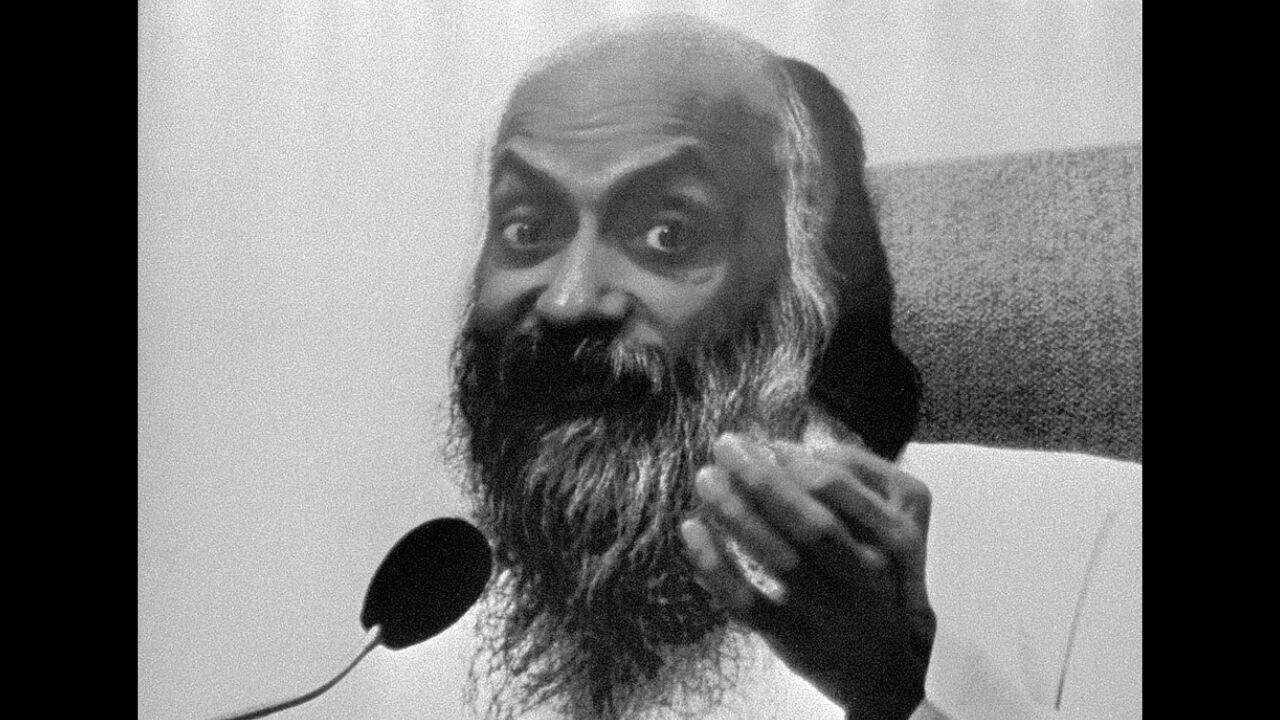
Osho once pointed a bony, unyielding finger directly at this collective neurosis. The mystic didn't care about your astral projection. He didn't care about heaven's real estate. He disrupted the entire premise with a sharp, terrifying inversion of our deepest anxiety.
The real question is not whether life exists after death.
The real question is whether you are alive before death.
Stop for a moment. Right now. Look at your hands. Feel the cold air hitting the back of your throat. Are you actually here? Or are you a phantom operating a body, wandering through your own existence like an uninterested tourist in a museum you paid too much to enter?
Most of us are dead long before our hearts stop beating.
We drift through decades wrapped in cotton wool. We take offense at slights delivered by people we don't even like. We scroll through glass rectangles until our thumbs cramp, trading raw, untamed reality for curated illusions of connection. We surrender our agency to comfort, trading the sharp, stinging edge of vitality for a dull, predictable numbness.
This is the great deception of the human condition. We treat life as a rehearsal for a main event that may not even exist, while the actual theater burns down around us.
History is littered with people who figured this out too late. Leo Tolstoy chronicled the panic of Ivan Ilyich, a respectable magistrate who built a pristine, socially acceptable life only to realize, on his deathbed, that his entire existence had been a mistake. Ivan had chased status, decorum, and the approval of men who cared nothing for him. As the black hole of mortality pulled him under, he screamed not out of terror of the void, but out of rage at the realization that he had never truly lived. He had followed every rule, crossed every ethical t, dotted every social i, and completely missed the point of the play.
To be alive before death requires a specific kind of violence against your own habits. It requires waking up from the trance of autopilot.
It means risking embarrassment. It means saying the thing you are supposed to keep polite. It means walking out of jobs that drain your marrow and stepping into rooms where you do not know the language.
When we ask about life after death, we are looking for an insurance policy. We want a guarantee that our consciousness will not be deleted, that our ego will survive the wreck, that our ledger will balance out in the cosmic wash. It is an expression of profound cowardice. We want eternity because we are too terrified to inhabit the ten minutes we currently have.
Think of the child who refuses to go down the slide because they are already worrying about how the ride will end. They sit at the top, frozen, clutching the rails, crying about the inevitable landing while the wind blows right past their hair. That child is us.
If there is an afterlife, it will take care of itself. The physics of the universe do not require your permission to operate. Stars will collapse, energy will transfer, and consciousness will resolve into whatever mystery birthed it. You cannot negotiate with the grave.
You can, however, negotiate with this exact Tuesday.
You can taste your coffee instead of swallowing it like fuel. You can forgive a grudge that has been rotting your stomach lining for five years. You can tell the truth, even when your voice shakes and your hands grow cold. You can look at the person sitting across from you and remember that they, too, are a temporary collection of stardust hurtling through a silent void on a rock covered in water.
The stakes are invisible, but they are absolute. Every time you choose distraction over presence, you practice dying. Every time you choose fear over curiosity, you turn down the volume of your own soul.
Arthur’s notebook sits on a shelf somewhere in a landfill now. The compound interest he calculated with such devotion means nothing to him. But the rain falling outside my window right now is real. The ache in my shoulders is real. The fierce, fragile beauty of this burning, chaotic world is real.
The curtain is up. The lights are blinding. The play is happening with or without you.
Wake up.