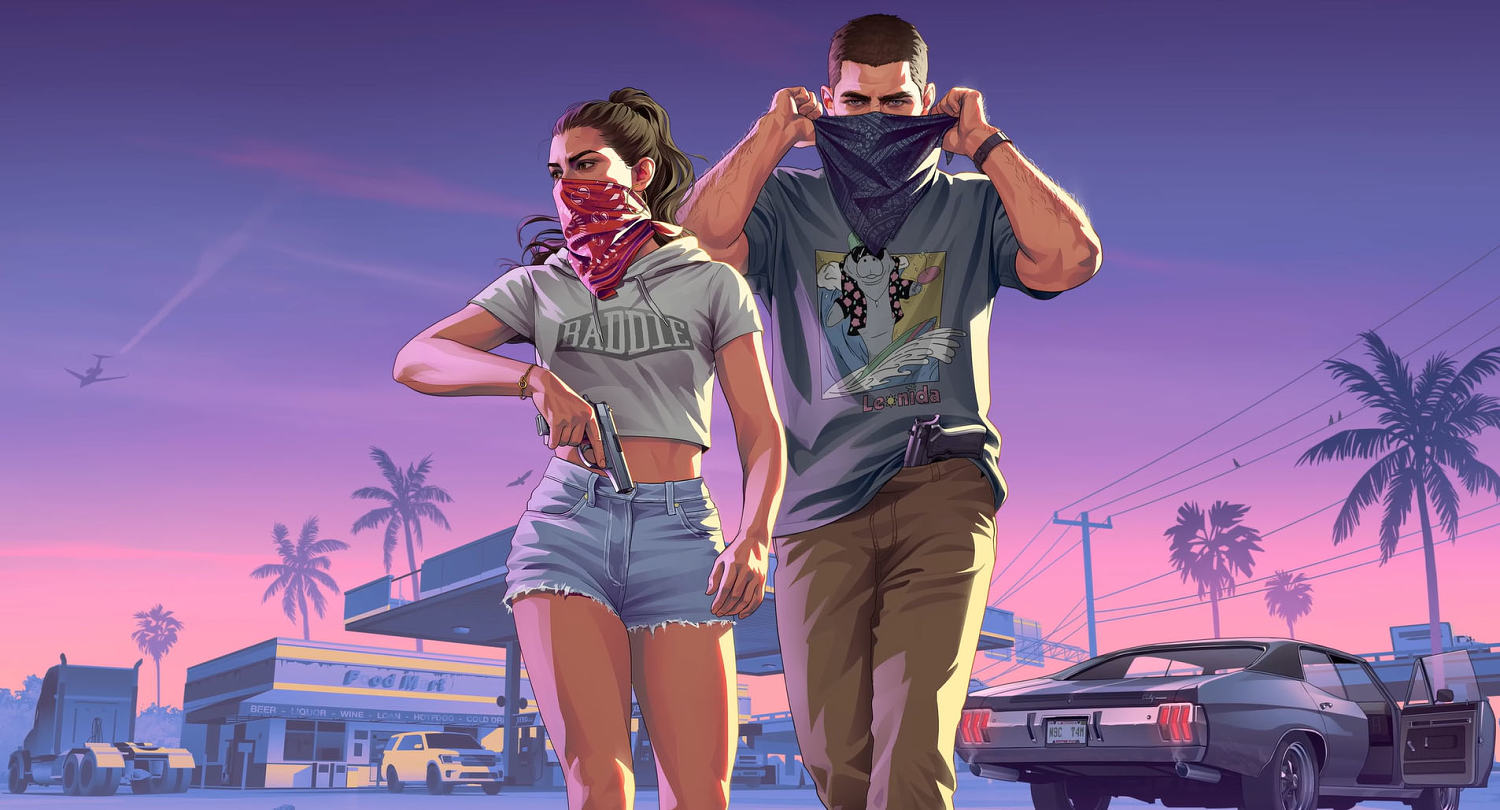
Rockstar Games did not plan on talking about Grand Theft Auto VI through the panicked filter of a corporate crisis response. Yet, following a relentless series of security breaches orchestrated by an online actor known as Cyberleek, the studio broke its characteristic silence with a public admission that the ongoing leaks were heartbreaking for the development team.
The unauthorized distribution of early, playable code exposed protagonists Jason and Lucia, map geometry, and narrative prologue footage, forcing parent company Take-Two Interactive to pursue aggressive legal maneuvers. Subpoenas served to Microsoft, Discord, and other technology platforms highlight a desperate scramble to unmask the source behind the breach before the scheduled November 19 launch.
The industry at large treats these events as an isolated PR headache, but the structural reality is far more severe. Modern blockbuster development pipelines span multiple continents, employing thousands of remote contractors, internal testers, and outsourced third-party vendors. Maintaining absolute code security in an era of distributed remote work environments is practically impossible. When a multi-billion-dollar enterprise relies on fragmented communication channels, security perimeters inevitably fracture. Cyberleek weaponized these exact vulnerabilities, exploiting personal cloud storage and chat applications to distribute build footage while leveraging the chaos to promote an external cryptocurrency scheme.
The Cost of Transparency Under Duress
Corporate communications from massive publishers typically follow a sanitized, highly predictable cadence. Trailers drop, media outlets publish curated preview impressions, and marketing budgets dictate the terms of consumer engagement. The Cyberleek leaks shattered that carefully manufactured control.
By forcing Rockstar's hand, the breaches accelerated an unconventional partnership with Netflix to stream an extended gameplay preview. Critics immediately pointed out the irony of gating early high-definition footage behind a subscription streaming service, arguing that marketing departments were capitalizing on the panic.
The financial exposure extends far beyond bruised marketing strategies. Market valuations for Take-Two Interactive fluctuated wildly as clips of open-world physics, vehicle handling mechanics, and unpolished asset streams circulated across social media. Wall Street reacts poorly to unpredictability, and unauthorized code drops introduce a distinct form of volatility. Investors do not care about the artistic integrity of an unoptimized build; they care about consumer sentiment shifting prior to pre-order windows closing.
Beyond the Hype Cycle
Beneath the sensational headlines lies a deeper technical narrative about the maturation of open-world design. The leaked material, alongside the subsequent official footage, reveals a distinct shift in how Rockstar approaches satire and simulation. Previous iterations of the franchise relied heavily on broad caricatures, leaning into exaggerated cultural parodies to mock contemporary American life.
The footage from Leonida suggests a quieter, more grounded approach. Characters display complex physical interactions, from reactive hair physics responding to environmental wind to intimate narrative beats focusing on the dynamic between Jason and Lucia. The studio appears less interested in shouting over an already absurd political and cultural landscape and more focused on observing the mundane, gritty realities of street-level crime.
This maturation requires immense technical overhead. Producing dense urban environments where non-player characters exhibit believable routines demands architecture that strains current console hardware. The extended development cycle—stretching well over a decade since the previous installment—reflects the compounding complexity of modern asset creation.
The Legal and Cultural Fallout
Take-Two's aggressive legal response sets a dangerous precedent for digital privacy and platform accountability. Issuing sweeping subpoenas to platforms like Discord and Microsoft grants publishers extraordinary reach into user data repositories under the banner of copyright protection.
While protecting intellectual property from bad actors distributing stolen assets is legally justified, the methods employed blur the lines between corporate defense and overreaching surveillance. Platforms housing millions of routine communications are now primary battlegrounds for billion-dollar entertainment conglomerates attempting to plug operational leaks.
The culture of development crunch and internal frustration compounds the crisis. Employees who spent years optimizing codebases watch their labor circulated in fragmented, unpolished states accompanied by troll manifestos and cryptocurrency promotions. The human toll of these security failures rarely registers among consumers demanding immediate access to media, yet it remains the primary driver behind leadership's defensive posture.
As the industry counts down the weeks toward November 19, the legacy of the Cyberleek incident will serve as a stark warning. The perimeter defense of triple-A video game development is fundamentally broken, and no amount of legal posturing or corporate apology will permanently seal the cracks.


