The floor of the New York Stock Exchange is a cavern of controlled chaos, but on certain mornings, the air feels thinner. It is the kind of silence that precedes a lightning strike. Traders don’t just watch the green and red flickers on their screens; they feel the tectonic plates of global geopolitics shifting under their expensive shoes. On those mornings, the most powerful force in the world wasn't a central bank or a manufacturing report. It was a thumb hovering over a smartphone screen in the White House.
Consider a hypothetical trader named Elias. He’s forty-two, drinks too much espresso, and manages a portfolio that supports the pensions of three thousand teachers in Ohio. When Elias sees a headline flash about tension in the Persian Gulf, he doesn't just see a "geopolitical event." He sees the price of crude oil ticking upward, the cost of jet fuel rising, and the subsequent dip in airline stocks. He sees the ripple effect. But then, a tweet appears. The President declares the threat is over. The "war" is finished before it began.
Elias exhales. The market exhales with him. For a moment, the world feels safe. Then, forty-eight hours later, the rhetoric shifts again. The cycle repeats. This is the story of how the line between war and peace became a volatile commodity, traded in real-time across the global ticker.
The Mirage of the Mission Accomplished
History has a cruel way of echoing itself. We remember the banner on the USS Abraham Lincoln in 2003, but the digital age brought a more fragmented version of that premature victory. Between 2017 and 2020, the American public was treated to a series of declarations that the long-standing shadow war with Iran had reached its endgame.
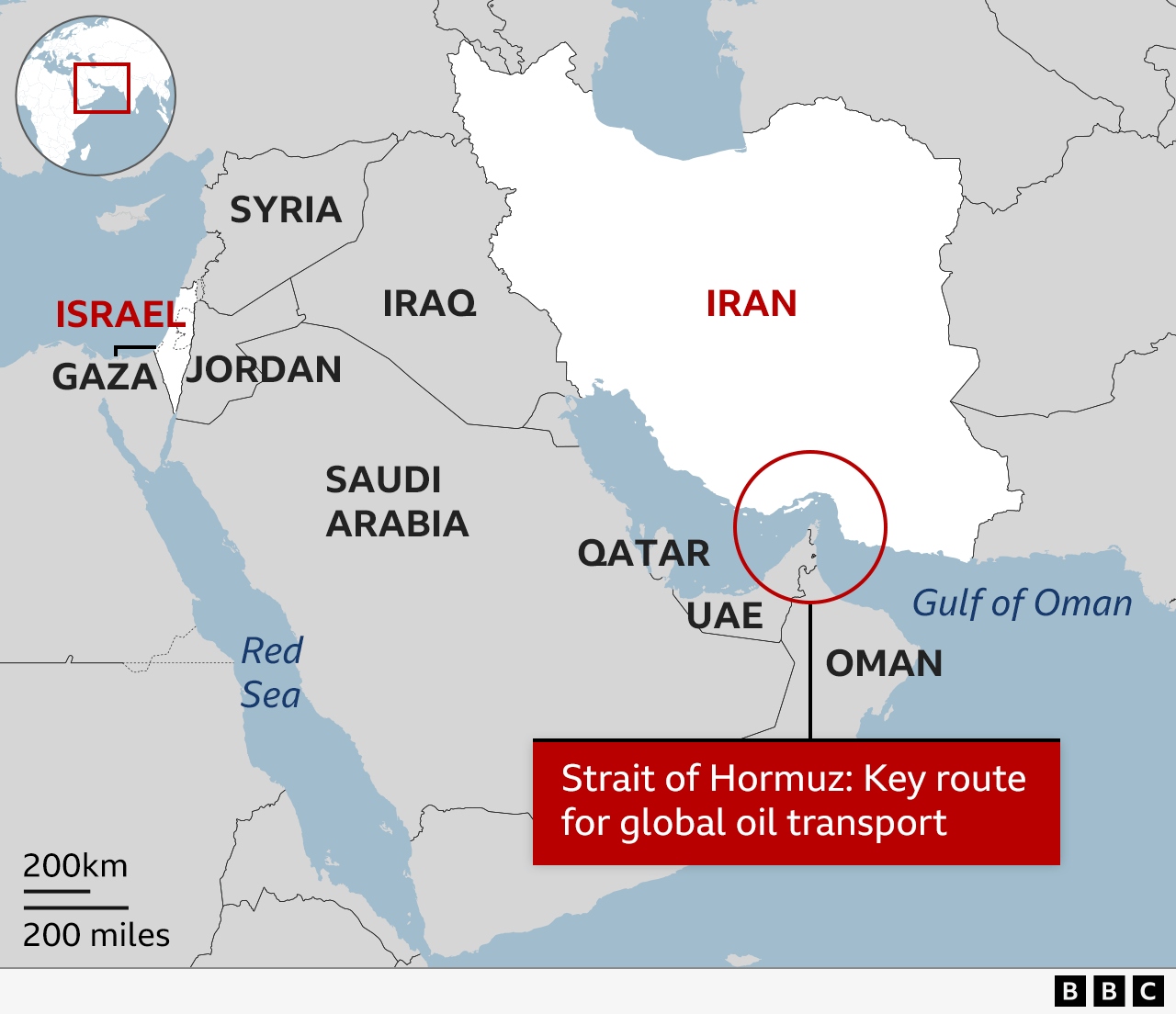
Each time the words "it’s over" or "they are backing down" were uttered, the financial world performed a frantic ballet. To understand why, you have to understand the Brent Crude oil benchmark. It is the heartbeat of the global economy. Iran sits on the Strait of Hormuz, a narrow chokepoint through which a fifth of the world’s oil passes. When the President signaled a de-escalation, the "war premium" on oil—the extra dollars tacked on to a barrel due to the fear of a supply shutdown—evaporated instantly.
But these declarations were rarely the final word. They were more like intermissions in a play that refused to end.
The January Jolt
Let’s look at the most visceral example: January 2020. The world watched, breathless, after the strike on Qasem Soleimani. For seventy-two hours, the specter of a full-scale regional conflagration felt inevitable. Gold—the ultimate "fear trade"—surged to a seven-year high. Investors fled stocks and huddled in the perceived safety of government bonds and precious metals.
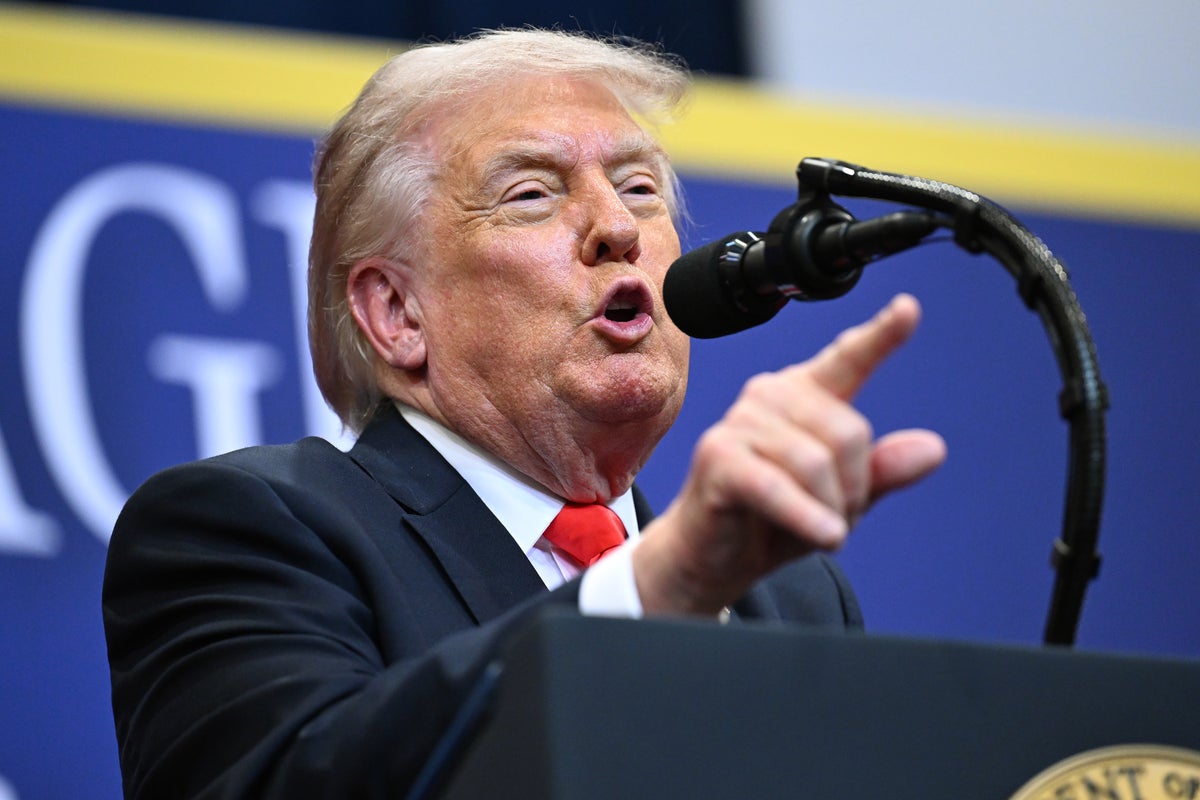
Then came the morning address from the Grand Foyer. "Iran appears to be standing down," the President announced.
The relief was surgical. The S&P 500 didn't just recover; it hit a record high. To the casual observer, it looked like masterful diplomacy. To the people like Elias on the trading floor, it felt like whiplash. The reality on the ground in the Middle East hadn't fundamentally changed. The proxies were still active. The centrifuges were still spinning. Yet, the narrative had been "solved" in a fifteen-minute televised window.
The danger of declaring a war over—when it is actually just simmering—is that it creates a false sense of security that the markets eventually stop believing. Trust is a non-renewable resource. By the third or fourth time a "total victory" or a "final withdrawal" is announced only to be followed by a fresh deployment or a new round of sanctions, the market stops reacting to the words and starts reacting to the exhaustion.
The Human Cost of the Ticker
We often talk about "the markets" as if they are a sentient, cold-blooded machine. They aren't. The market is just a collection of human expectations and fears. When the rhetoric around Iran fluctuated, it wasn't just numbers on a screen changing.
Think of a small logistics company in the Midwest. They operate on razor-thin margins. When the news cycles suggest a war is imminent, the owner locks in fuel contracts at a high price to protect against a spike. When the President then says the war is over, and oil prices plummet, that business owner is stuck with expensive fuel while their competitors buy cheap.
The "Mission Accomplished" tweet isn't just a political statement; it’s a massive redistribution of wealth based on a timeline that may or may not be true.
This is the invisible stake. We focus on the spectacle of the podium and the drama of the drone strike, but the lasting damage is the erosion of predictability. Capitalism thrives on risk, but it chokes on uncertainty. When the word of the Commander-in-Chief becomes a "buy" or "sell" signal that is contradicted by the Pentagon an hour later, the very foundation of international stability begins to crack.
The Boy Who Cried Peace
There is an old psychological concept called "habituation." If you ring a bell every time you feed a dog, the dog salivates. But if you ring the bell and never provide the food, eventually, the dog ignores the bell.
By the end of the 2017-2021 term, the markets had become habituated to the "war is over" rhetoric. The spikes and dips became shallower. The world grew cynical. This cynicism is perhaps the most expensive casualty of the era.
When a leader says a conflict is resolved, it should mean that families can stop worrying about deployments. It should mean that diplomatic channels have achieved a milestone. It shouldn't mean that the algorithms at Goldman Sachs need to be recalibrated for a forty-minute volatility window.
We are living in the aftermath of that volatility. The "shadow war" with Iran continues to this day, proving that wars aren't ended by declarations or digital posts. They are ended by slow, agonizing, and often boring diplomacy that rarely makes for a good headline.
The next time you see a headline claiming a decades-long conflict has been "solved" in a single afternoon, look past the bold text. Look at the price of oil. Look at the gold charts. But more importantly, think of the people whose lives and livelihoods depend on the truth of those words. They are the ones left standing in the gap when the rhetoric meets reality.
The bell is ringing, but the world has stopped salivating. It is just waiting for the next strike.