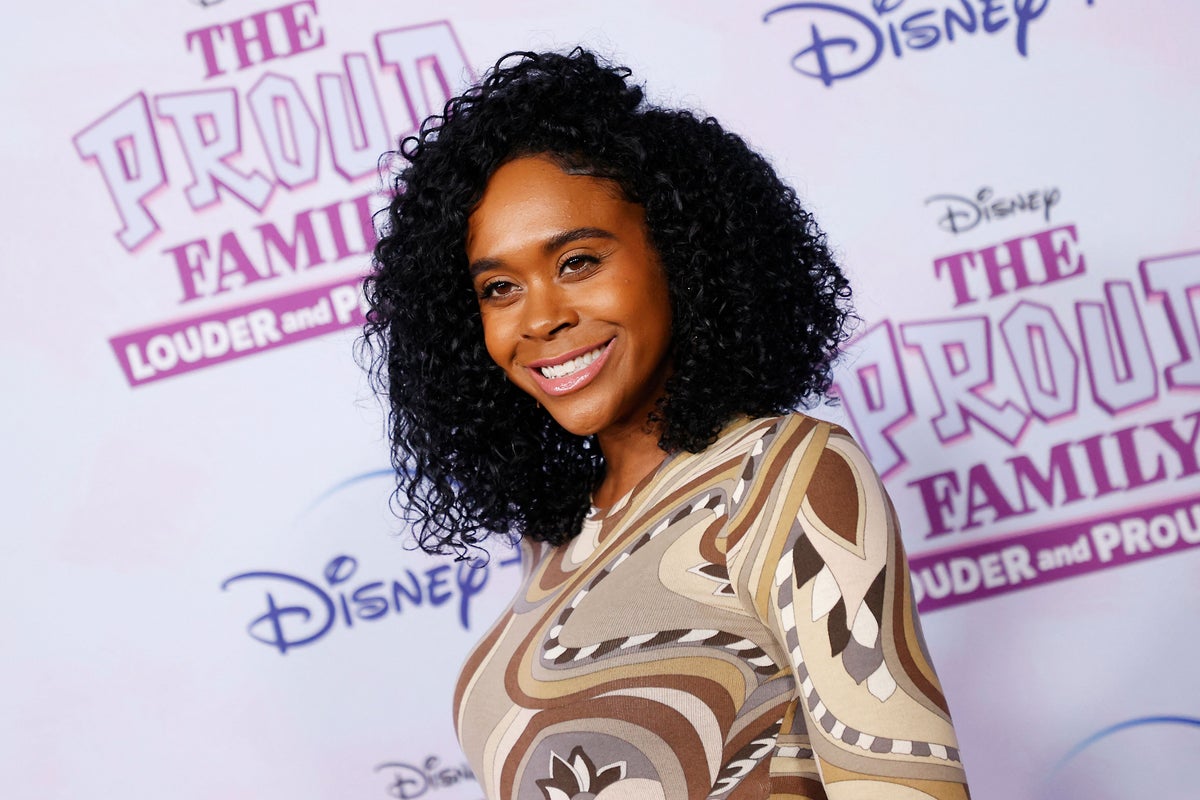
When Andie MacDowell stepped onto the red carpet at the Cannes Film Festival with a cascading mane of un-dyed, silver-gray hair, the international fashion press enacted a predictable ritual. Headlines praised her bravery. Commentators declared it a triumph of authentic aging, framing her natural silver curls as a defiant middle finger to Hollywood ageism.
It was a beautiful narrative. It was also entirely superficial. Expanding on this theme, you can find more in: The Anatomy of Tour Cancellation The Operational Economics and Physiological Thresholds Behind Bret Michaels Breaking Point.
The public celebration of high-profile women letting their hair turn gray obscures a much harsher reality operating just behind the velvet ropes. What looks like a revolutionary cultural shift is actually a highly calculated pivot by the global beauty and luxury sectors. The sudden validation of natural aging on the red carpet is less about feminist liberation and far more about retaining the financial loyalty of the world’s wealthiest demographics.
The Economics of the Silver Renaissance
For decades, the entertainment and cosmetic industries survived on a single, rigid mandate: eradicate every visible sign of female aging. Gray roots were treated as a personal failure of maintenance. Wrinkles were defects to be filled, frozen, or airbrushed out of existence. Observers at E! News have provided expertise on this matter.
Then the market shifted.
The global population is aging rapidly, and older consumers hold the vast majority of disposable income. Women over fifty control immense purchasing power, yet they have historically reported feeling completely invisible to major brands. The beauty industry realized it could no longer afford to alienate its most lucrative consumer base by telling them they were inherently flawed.
The solution was a branding overhaul. Instead of demanding that women chase an impossible standard of eternal youth, the new marketing playbook sells the concept of timeless elegance. Gray hair is no longer marketed as a sign of decline; it has been repositioned as a luxury status symbol.
[Traditional Beauty Playbook]  --> Eradicate Aging --> Sells: Youthfulness
[Modern Luxury Playbook]       --> Elevate Aging    --> Sells: Status & Authenticity
This corporate shift explains why a long-term commercial partnership like MacDowell’s contract with L’Oréal does not collapse when she stops dyeing her hair. It evolves. The brand adapts to mirror the changing self-image of its aging demographic, ensuring that the consumer keeps buying premium skincare, serums, and cosmetic products designed to make that natural gray look expensive.
The Aesthetic Double Standard
While a select group of Hollywood elites receives praise for embracing silver locks, the standard applied to the average woman remains intensely restrictive. The red carpet version of aging is heavily curated. It requires a specific set of physical genetic advantages and financial privileges to be deemed acceptable by the public eye.
Consider what is actually required for a woman's gray hair to be labeled stunning or majestic on a global stage:
- Immaculate styling: Professional hair technicians spending hours ensuring that the silver strands catch the light perfectly without looking dry or frizzy.
- Flawless structural maintenance: Elite dermatological interventions, lasers, and high-end skincare regimes that keep the skin exceptionally firm and glowing.
- Sartorial elevation: Custom couture gowns that signal high societal status, balancing the natural hair with overt markers of wealth.
When a celebrity showcases silver curls alongside a sharp jawline and a designer wardrobe, the culture accepts it because it still conforms to a traditional ideal of wealth and high-fashion symmetry. The message is not actually that aging is inherently beautiful. The message is that aging is acceptable if you possess the capital to make it look exceptionally polished.
The average woman, navigating a professional landscape without a glam squad or an unlimited cosmetic dermatology budget, faces a very different reality. In corporate environments, visible signs of aging on women are still routinely penalized, viewed not as a chic status symbol but as a lack of professional effort or cultural irrelevance. Men with gray hair are granted the immediate archetype of the distinguished leader; women with gray hair are still forced to prove they haven't simply given up.
Dismantling the Anti-Aging Illusion
The beauty industry has not abandoned its obsession with control; it has merely changed its vocabulary. The aggressive terminology of anti-aging has been quietly replaced by softer, more insidious euphemisms.
We are told to aim for well-aging, healthy aging, or graceful longevity.
"This linguistic shift allows companies to sell the exact same corrective treatments under the guise of self-care and empowerment."
You are no longer fighting time; you are optimizing your skin health. You are not hiding your age; you are unlocking your best self. Yet the underlying commercial objective remains identical: to convince women that their natural, unassisted state is insufficient.
The celebration of Andie MacDowell’s silver hair at Cannes is an important visual marker, but it should not be mistaken for a systemic dismantling of Western beauty standards. True progress will not occur when a handful of naturally stunning actresses are permitted to skip the hair dye. It will occur when the everyday signs of female aging—the real, unpolished, un-contoured reality of it—ceases to be a topic of global conversation altogether. Until then, the silver carpet remains an exceptional exception to a rule that still tightly governs the rest of the world.