The modern Canadian cottage aesthetic promises a return to radical simplicity, yet it has become one of the most expensive, highly manufactured design movements in North American history. Step inside any newly renovated property along the shores of Lake Muskoka, Lake Huron, or Quebec’s Lake Memphremagog, and you will find a carefully curated tableau of artisan ceramic vases, $3,000 modular outdoor sofas, and live-edge cedar floating shelves designed to look effortless. It is a calculated mirage. What was once a seasonal escape defined by mismatched furniture, screen doors that slammed shut, and the scent of damp pine has been systematically replaced by multi-million-dollar winterized compounds that mimic the urban elite spaces their owners claim to be fleeing. This shift is not merely a change in interior decoration preferences. It represents a profound socio-economic restructuring of waterfront living, where authentic rustic charm is manufactured at a premium while the true, gritty reality of classic cottage life is systematically demolished.
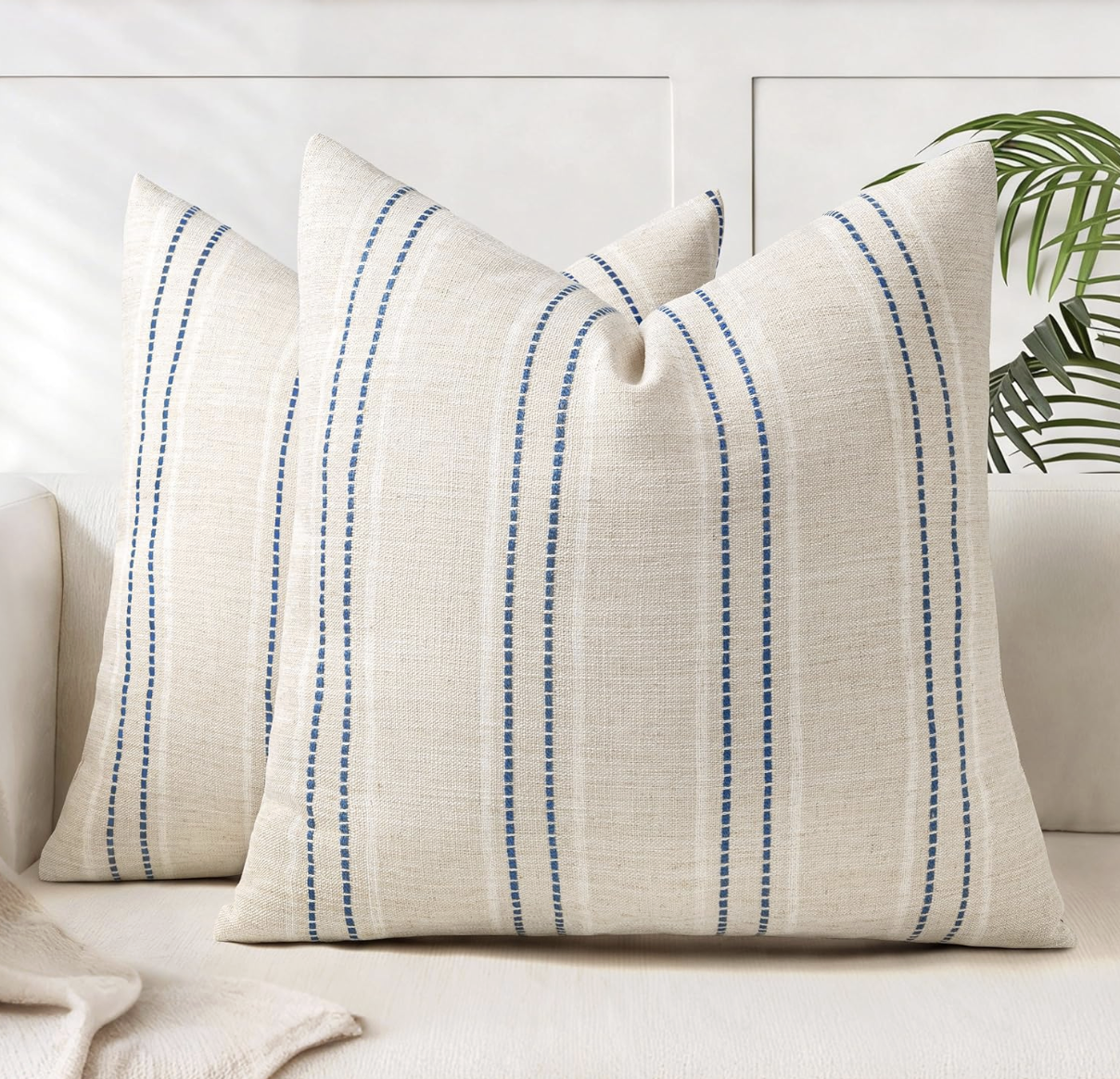
Behind the soft clay palettes, woven seagrass trays, and textured linen pillow covers lies a massive commercial apparatus. Retailers and boutique design firms have successfully commodified the idea of the wilderness. They sell the affluent urbanite an idealized version of rural life that never truly existed. To understand how we arrived at this era of hyper-curated lakeside living, one must examine the economic forces driving the gentrification of the Canadian shield.
The Manufactured Authenticity of Premium Distressed Materials
True rustic style cannot be bought at a corporate home goods retailer. It accumulates over decades of family use, sun damage, and tracking in lake mud. Yet, the modern lake house style demands instant heritage. This appetite has given rise to a booming market for materials that fake the passage of time.
Consider the pervasive obsession with reclaimed wood and live-edge millwork. High-end custom builders now routinely source timber from century-old barns, treating the wood with specialized oils to preserve its structural flaws while ensuring it meets strict modern building codes. A single live-edge cedar dining table or a set of solid wood stump end tables can easily cost thousands of dollars. The irony is unmistakable. Wealthy buyers are spending urban-mansion money to achieve the visual markers of rural poverty or historical hardship.
This material obsession extends to every surface of the contemporary waterfront interior. Rough-hewn wood accents are paired with cold, minimalist backdrops like hand-finished plaster walls or natural stone with subtle veining. The goal is to create a contrast that feels grounded and connected to the earth. However, maintaining these raw, unsealed surfaces in a high-humidity shoreline environment requires constant, meticulous upkeep. It is a performative type of design. The spaces look unstudied, but they require a small army of property managers, specialized cleaners, and climate-control infrastructure to prevent the elements from actually reclaimed the materials.
The Architectural Erasure of the Real Outdoors
The classic Canadian cottage was a defensive structure. It was built with small windows, covered porches, and low ceilings to trap heat during unpredictable northern spring nights and keep out the blackflies. Modern lake house architecture completely rejects this logic.
Gigantic walls of triple-glazed glass have replaced traditional clapboard and cedar-shake siding. Homeowners demand uninterrupted view corridors that stretch from the kitchen island straight to the open water, effectively turning the rugged Canadian environment into a giant, living wallpaper. This architectural philosophy claims to bring the outside in, but it actually achieves the exact opposite. It seals the inhabitants behind climate-controlled glass, separating them from the actual environment. You can watch the storm roll across the bay while sitting in a room kept at an exact 21 degrees Celsius, completely insulated from the wind, the humidity, and the insects.
+-------------------------------------------------------------+
|               THE COTTAGE EVOLUTION BLUES                   |
+-----------------------------+-------------------------------+
| THE TRADITIONAL CABIN       | THE MODERN RESORT             |
+-----------------------------+-------------------------------+
| Small windows, low ceilings | Floor-to-ceiling glass walls  |
| Screen doors & blackflies   | Zoned HVAC & smart sensors    |
| Mismatched vintage hand-me-downs | Curated $3000 modular sofas |
| Seasonal plumbing & septics | Year-round automated luxury   |
+-----------------------------+-------------------------------+
The layout of these properties has shifted to support a highly specific type of social performance. The fully open floor plan, which dominated the early phases of modern cottage design, is facing a quiet rebellion. Homeowners have discovered that wide-open spaces mean kitchen noise, blending smells, and a complete lack of privacy. The current trend leans toward semi-open planning. Built-in bookshelves, partial stone walls, and shifting ceiling heights are used to define distinct zones without sacrificing the prized view of the water. These are urban layout solutions transposed onto rural environments to accommodate large crowds of weekend guests who expect the comforts of a boutique boutique hotel.
The Environmental Cost of Ultimate Comfort
The desire for a nature-first environment is creating significant ecological stress on the very shorelines buyers claim to revere. Building a modern concrete marvel or a sprawling timber-frame compound requires extensive site alteration.
Granite shorelines are blasted away. Thin soils are excavated to make room for massive foundations and deep basements that house the elaborate building services infrastructure required to run these properties. In townships across Ontario and Quebec, the sheer scale of these developments has pitted long-time seasonal residents against a new class of billionaires and corporate developers. Traditional by-laws restrict how close to the water a structure can sit, usually setting the limit between 18 and 30 meters to prevent erosion and protect the fragile aquatic ecosystems. Yet, municipal boards are constantly flooded with requests for variances to build larger boathouses, wider docks, and massive guest suites that jut out over the water.
The luxury features now considered standard in high-end lake houses demand massive amounts of energy and water. Infrared saunas with panoramic forest views, cold plunge pools, automated lighting scenes that shift color temperature throughout the day, and multi-zone climate systems require robust electrical infrastructure. Many of these properties sit empty for months at a time, yet their automated systems continue to draw power to keep the indoor plants alive and ensure the plumbing does not freeze. The footprint of these structures is undeniable, making the eco-friendly, biophilic design claims of their architects ring hollow.
The Disappearance of the Communal Lake Experience
The transformation of the physical space has inevitably altered the social fabric of cottage country. Historically, the lake was a great equalizer. Wealthy city executives and local tradespeople often lived in structurally similar cabins, sharing the same basic struggles with failing septic systems, wood stove heating, and unreliable cellular service.
That shared reality has dissolved. The modern aesthetic has drawn a clear line between those who can afford to automate their lakeside experience and those who cannot. Private island compounds and sprawling waterfront estates have isolated their owners from the broader lake community. Leisure has been maximized to such an extent that residents have no reason to leave their properties. They have private gyms, outdoor kitchens that rival premium restaurants, and multi-level boathouses equipped with custom sports bars.
The local economy shifts to serve this insular luxury. Small-town hardware stores and family-run marinas are being squeezed out by high-end design consultancies, concierge property management firms, and luxury boat dealerships. The local population is increasingly priced out of the housing market, forced to move further inland as waterfront property values soar into the tens of millions of dollars. The modern cottage style is a visual indicator of this displacement, signaling that the landscape is no longer a shared natural resource, but an exclusive commodity reserved for the highest bidder.
Stripping Away the Illusion
True connection to the Canadian wilderness cannot be achieved through the strategic placement of a $90 artisan vase or a faux-rattan storage basket. Those items are design band-aids meant to cover up the fact that modern lakeside living has lost its core identity.
If you want to experience the authentic spirit of the lake, look past the trend pieces detailing the latest neutral color palettes and outdoor modular sofas. True cottage life is found in the imperfections. It is the uneven floorboards warped by decades of winter dampness. It is the collection of faded paperbacks on a sagging shelf, left behind by generations of guests. It is the direct, unmediated contact with the cold water, the biting insects, and the unpredictable weather. Until design choices prioritize the preservation of the natural terrain over architectural vanity, the modern lake house aesthetic will remain what it truly is: an expensive monument to our alienation from nature.
To better understand how these design philosophies play out in actual renovations, check out this look at a Cottage Makeover: 60s-Inspired Lakefront Cottage In Quebec which shows the practical tensions of transforming a mid-century structure into an open-concept modern space while attempting to preserve its original character.