You don't need a pristine study desk, a trust fund, or a pile of elite preparatory books to change your life. Most people think getting into a competitive graduate program requires a perfect academic pedigree and uninterrupted hours of silence. It doesn't. Sometimes, all it takes is a pair of headphones, a broom, and an unshakeable sense of purpose.
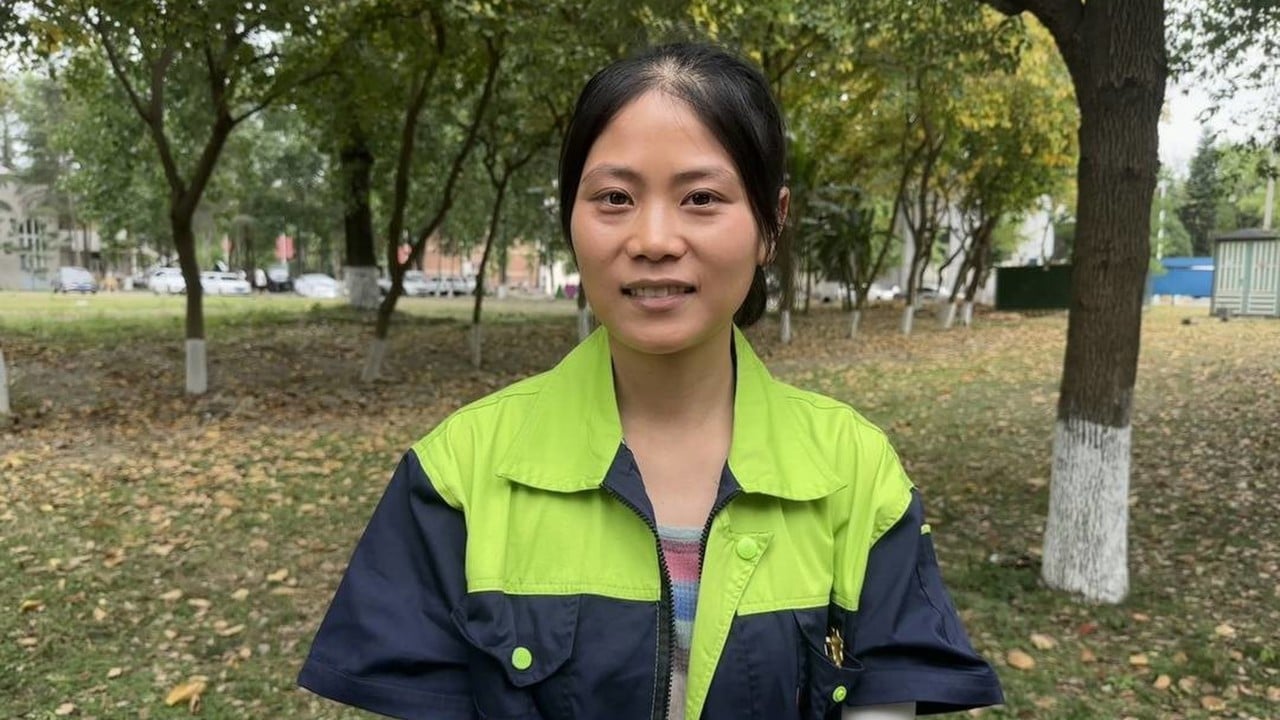
Take Li Jia, a 33-year-old full-time campus cleaner at Chengdu University of Technology in Sichuan province. She didn't have a bachelor's degree. She didn't have a cushy schedule. What she did have was two kids, a demanding manual labor job, and a fierce determination to prove what's possible through sheer willpower.
In April, Li secured her spot in a three-year master's program at the university's College of Literature and Law. She managed this after just one year of relentless self-study. Her journey blows up the conventional narrative about who belongs in higher education and offers a blueprint for anyone trying to reinvent themselves against the odds.
The Reality of the Postgraduate Grind
The modern academic landscape is brutal. Millions of fresh college graduates struggle to find jobs, pushing the national postgraduate entrance exam numbers to historic highs. For an ordinary applicant, the prep process is a full-time job. They buy expensive online courses, camp out in paid self-study rooms, and isolate themselves from the world.
Li didn't have any of those luxuries.
Before her current role, she and her husband ran a local restaurant near the campus. When the business collapsed, she took the sanitation job for the basic stability, fixed hours, and the proximity to her home. She needed a reliable way to help support her family. Her daily cleaning route placed her right in the middle of the campus environment.
Every single day, she watched students cramming under streetlights and noticed older candidates with grey hair fighting for their goals. That environment triggered something. She realized that if these people could push themselves to the absolute limit, she could too. She wanted to set a powerful example for her own children.
Li Jia's Daily Routine:
6:00 AM          - Arrive at work, start cleaning, listen to lectures via headphones
12:00 PM         - Quick lunch, drink coffee, solve practice exam papers
Afternoon        - Finish cleaning shifts, handle management duties
Evening          - Return home, study at the desk side-by-side with her daughter
Overcoming the Structural Hurdles
It's easy to say you want to go back to school. It's incredibly hard to execute when the system isn't built for you. Because Li was a vocational school graduate without a formal bachelor's degree, the admissions rules stacked the deck against her. She wasn't just required to pass the standard entrance exams; she had to sit for two additional undergraduate-level subjects just to qualify.
To make things more complicated, she only had eight months of actual preparation time before the preliminary testing began. Mid-way through this crunch period, her workload increased because the university promoted her to a management role due to her excellent performance on the job.
She didn't make excuses. She optimized every spare second of her day.
Starting her cleaning shift at 6 am, she kept headphones on to stream politics and English lessons while working. During her lunch breaks, she used coffee to fight off physical exhaustion so she could grind through complex mock exam papers. At night, she didn't isolate herself from her family. She sat right next to her daughter, reviewing textbooks while her kid did elementary school homework.
Why Non-Traditional Students Hold the Real Edge
We often treat older, working-class students as underdogs who need pity. That's a massive mistake. Adult students who have faced real-world professional setbacks bring a level of grit, emotional resilience, and practical perspective that twenty-two-year-olds straight out of undergrad simply don't possess.
Li understands this completely. She acknowledges that diving into graduate school will be tough, but she views her years of running a business, managing manual labor, and raising a family as a massive competitive advantage. She has already dealt with financial risk, severe time management constraints, and professional failure. A tough academic seminar isn't going to break her.
This isn't to say she did it completely alone. Total self-reliance is a myth. Her husband and her parents-in-law stepped up heavily to manage the household chores and handle the daily school runs for the kids. True ambition requires a support system that respects the hustle.
How to Apply the Campus Cleaner Strategy to Your Life
If you're sitting around waiting for the perfect moment to learn a new skill, pivot careers, or go back to school, you're losing time. The perfect moment doesn't exist. You don't need to quit your job to make a massive transition.
Audit your daily schedule aggressively. Look for the dead time—your morning commute, your lunch break, or the hour you spend scrolling on your phone before bed. Use headphones to turn manual tasks into learning windows. Build a tight circle of people who support your goals, and stop worrying whether you fit the traditional profile of success. Li proved that the environment doesn't define you; your work ethic does. Find your lane, block out the noise, and put in the hours.