The Silence in the Trees
Nature has a way of absorbing what we leave behind. In the humid, heavy air of Memphis, the kudzu crawls over discarded tires and the oak trees spread their roots through the red clay, claiming everything in their path. For years, a patch of woods in the northern reaches of the city did exactly that. It grew thick. It grew quiet. It held onto a secret that the rest of the world had either forgotten or never knew to look for.
Then came the discovery.
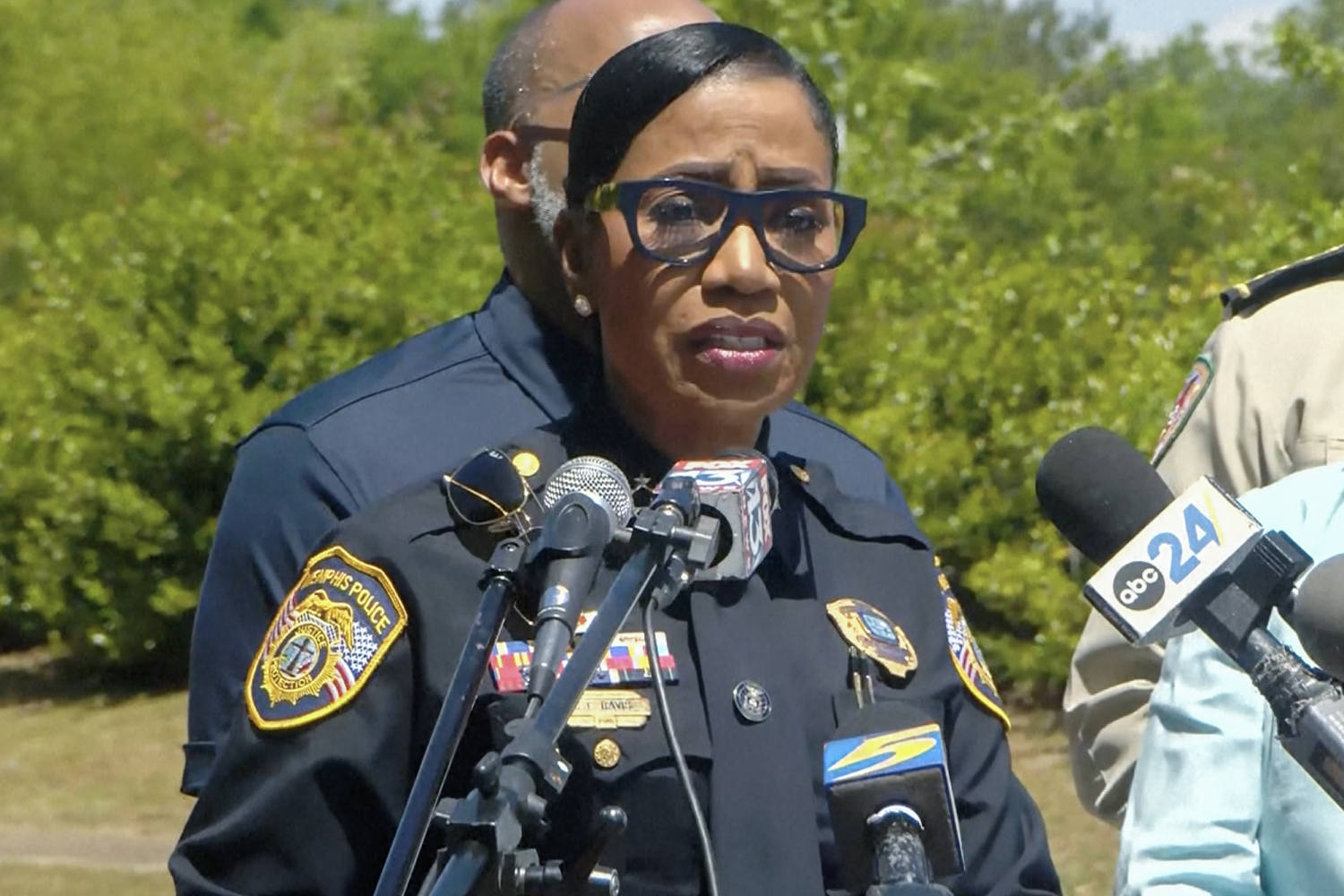
Not a single soul, but three. Three sets of remains, small and fragile, tucked away in the undergrowth near the intersection of Singleton Parkway and Egypt-Central Road. The Memphis Police Department didn’t use names when they spoke to the microphones, because names are luxury items in the early hours of a forensic investigation. They spoke of "skeletal remains." They spoke of "several years."
The words were clinical. The reality is a punch to the gut.
Imagine a child’s life. It is a collection of loud things: the screech of a plastic toy on a sidewalk, the repetitive melody of a cartoon theme song, the frantic splashing in a bathtub. For three children to end up in the dirt, silent for years, suggests a vacuum where there should have been a safety net. It suggests a failure so profound that it vibrates in the chest of anyone who hears it.
The Weight of the Unseen
In the world of forensic pathology, time is a thief. When a body sits in the elements for years, the story it can tell begins to fray. The soft tissue disappears, taking with it the bruises, the marks of struggle, and the immediate causes of death. What is left is the bone—the hard, calcified record of a life.
Memphis police have been careful. They haven't confirmed ages or genders yet, but the sheer proximity of the remains tells a story of its own. This wasn't a series of coincidences scattered across a county. This was a single location. A dumping ground. A final, lonely destination.
Consider the neighborhood. This isn't a remote wilderness. People drive by these woods every day on their way to work. They listen to the radio. They think about their grocery lists. They worry about their own children’s grades. All the while, just past the tree line, the seasons were changing over three small bodies. The snow of rare Tennessee winters covered them, and the suffocating heat of July baked the earth above them.
The invisible stakes here aren't just about a criminal investigation. They are about the terrifying ease with which a human being—especially a small one—can slip through the cracks of a city.
The Logistics of Disappearance
How does a child go missing for "several years" without a city-wide alarm?
That is the question that haunts the periphery of this case. When a child vanishes from an affluent suburb, the amber alerts scream from every smartphone within a fifty-mile radius. There are candlelight vigils. There are ribbons tied to oak trees. But in the pockets of our society where poverty is high and stability is low, disappearances can be quieter.
Sometimes, there is no one left to call the police. Sometimes, the person who should be calling is the reason the child is gone.
Logic dictates that these three children belonged to someone. They were registered in a school, or they were seen at a clinic, or they had a neighbor who wondered why the tricycle in the yard was suddenly rusted and motionless. Yet, the "several years" timeline provided by the authorities implies a staggering lapse in communal observation.
It is a metaphor for the way we look at our own cities. We see the skyline. We see the highways. We don't see the gaps in the woods.
The Science of the Search
When investigators move into a scene like this, they don't just pick up bones. They treat the earth like a crime scene. They sift through the topsoil for buttons, for zippers, for the tiny remnants of a favorite shirt that have survived the rot. They look for dental records. They look for the DNA that persists in the marrow long after everything else is gone.
This process is slow. It is agonizingly meticulous.
The Memphis Police Department is currently working with the Shelby County Medical Examiner's Office to piece together the "who" and the "how." But the "why" is often a much darker puzzle. In cases involving multiple sets of remains, investigators often look for patterns of domestic tragedy. They look at old missing persons reports that were filed and then forgotten. They look for the families that moved away suddenly in the middle of the night, leaving behind nothing but questions and a patch of disturbed earth.
The tragedy of the Memphis three is that their discovery brings no immediate peace. It only brings a different kind of unrest. It forces us to realize that while we were living our lives, a horror was resting just a few yards from the pavement.
The Cost of Looking Away
There is a specific kind of coldness that comes with a story like this. It’s not the coldness of a winter morning, but the chill of realizing how little we truly know about our neighbors.
We live in an age of hyper-connectivity. We know what a stranger in another country had for breakfast because they posted it on a social feed. We track our packages in real-time. We have cameras on our doorbells. And yet, three children can remain in a wooded area for years, unnoticed by the technology that claims to keep us safe.
The failure is human.
It is the failure of the eye to see what is uncomfortable. It is the failure of the heart to ask the difficult question when a family disappears from the apartment next door. We are conditioned to mind our own business, to keep our heads down, to stay within the lines of our own small lives. But those lines are what allow the woods to keep their secrets.
The investigation will eventually find names. We will see photos of these children—perhaps blurry school pictures or snapshots from a birthday party. We will learn about their favorite colors and the way they laughed. And when that happens, the "skeletal remains" will become people. The "several years" will be measured in missed milestones: the first days of school that never happened, the graduations that were never cheered, the adulthoods that were stolen before they could even be imagined.
The woods are thinner now. The police tape has been taken down, and the forensics teams have moved their evidence bags into climate-controlled rooms. But the ground there is different now. It is heavy with the knowledge of what it held.
The city moves on, the cars still rush down Singleton Parkway, and the kudzu continues its slow, relentless crawl. But for a brief, agonizing moment, the silence was broken. We were forced to look at the trees and wonder what else is hiding in the shadows of the places we think we know.
Somewhere in Memphis, there is a house that is too quiet, a record that is missing a name, and a story that is finally, painfully, beginning to be told. The children are no longer in the woods, but the questions they left behind are rooted deep in the soil, waiting for the truth to finally pull them into the light.