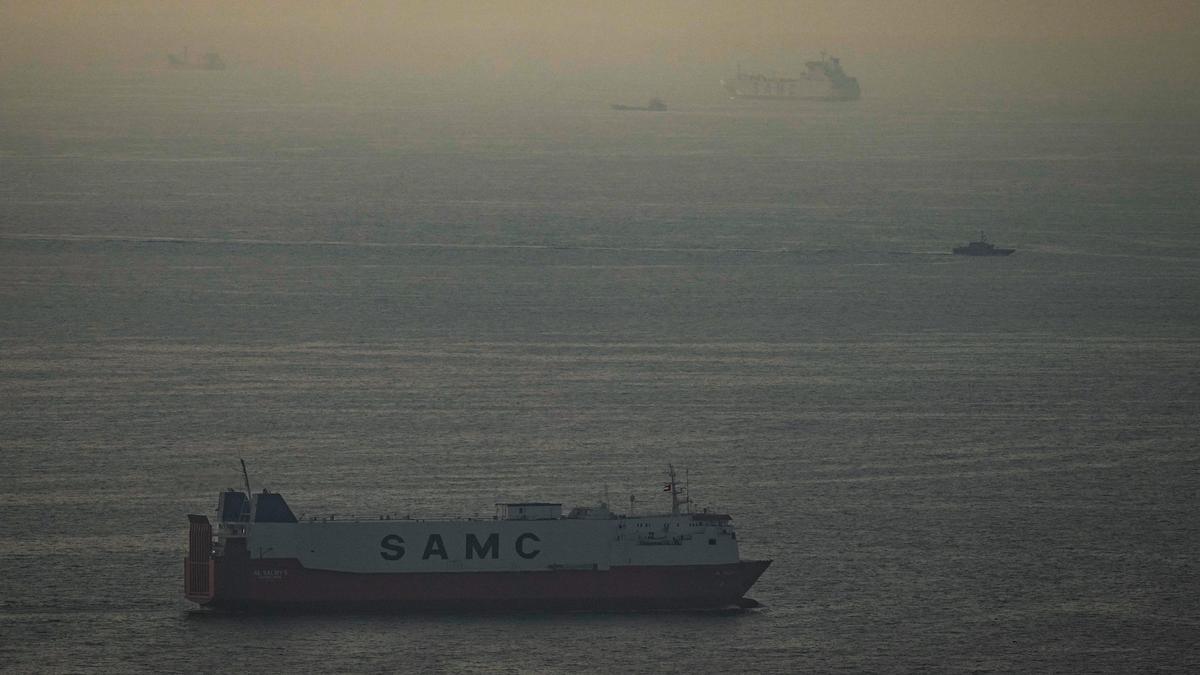
The International Maritime Organization is finally acknowledging the obvious. After months of escalating tensions in the Gulf and the Red Sea, the UN’s shipping body is calling for a "safe maritime framework" to protect the merchant sailors caught in a geopolitical crossfire they didn't sign up for. But beneath the diplomatic language of "frameworks" and "cooperation" lies a grimmer reality. The global maritime industry is currently operating on a hope and a prayer, relying on a 20th-century legal structure to solve a 21st-century asymmetrical war.
At its core, this isn't just about piracy or rogue states. It is a fundamental breakdown of the "freedom of navigation" principle that has underpinned global trade since the end of World War II. When a tanker carrying millions of dollars in crude oil or a container ship packed with consumer electronics becomes a legitimate target for drone strikes or boarding parties, the insurance math changes. When the insurance math changes, the price of everything you buy changes. The UN's call for safety is less of a solution and more of a desperate plea for a return to a status quo that may no longer exist.
The Illusion of Neutral Waters
For decades, the shipping industry operated under the assumption that merchant vessels were neutral parties. If you flew a "flag of convenience" like Panama or the Marshall Islands, you were effectively a non-combatant. That shield has shattered. We are now seeing "gray zone" warfare where commercial shipping is used as a pressure point to influence land-based conflicts.
The IMO's proposed framework suggests a coordinated effort to share intelligence and provide military escorts. This sounds logical on paper. In practice, it creates a logistical nightmare. Who pays for the fuel of the destroyers? Which nation's navy takes the lead? If a French frigate defends a Greek-owned ship flagged in Liberia and manned by Filipinos, who is responsible for the legal fallout if a counter-strike goes wrong? These are the questions the UN bureaucrats aren't answering.
The reality of the Gulf is that it is a narrow, congested throat of global commerce. Over 20 million barrels of oil pass through the Strait of Hormuz daily. There is no "Plan B" for this route. You either sail through it or you take the long way around Africa, adding two weeks of travel and millions in fuel costs. Most companies are still choosing to risk the Strait, banking on the idea that they won't be the unlucky one.
The Private Security Paradox
As the UN fumbles with international treaties, the industry is turning to a more pragmatic, albeit dangerous, solution: private maritime security companies. These are essentially hired guns on the high seas. While they provide a sense of safety, they also escalate the risk of accidental engagement.
If a private security team misidentifies a local fishing boat as a threat and opens fire, the legal ramifications are a black hole. International maritime law, specifically the United Nations Convention on the Law of the Sea (UNCLOS), is notoriously vague on the use of force by non-state actors in international waters. We are entering an era of "wild west" shipping where the biggest gun wins, and that is a terrifying prospect for the stability of global supply chains.
The Cost of Uncertainty
War risk premiums are not static. They are volatile, reacting to every headline and every grainy video of a drone strike. For a standard Suezmax tanker, the cost of insurance for a single trip through a high-risk zone can now exceed the cost of the crew's wages for an entire year. These costs aren't absorbed by the shipping giants; they are passed down to the refinery, then the distributor, and finally to the gas pump.
- Insurance spikes: Rates have jumped as much as 1,000% in certain corridors over the last eighteen months.
- Re-routing: Avoiding the Gulf entirely isn't just about fuel; it's about carbon emissions and missed delivery windows that disrupt "just-in-time" manufacturing.
- Crew welfare: There is a growing shortage of skilled seafarers willing to work in these zones. Money can only buy so much loyalty when lives are on the line.
Why the UN Framework is Likely to Stumble
The primary obstacle to a safe maritime framework isn't a lack of will; it's a lack of jurisdiction. The IMO has no "blue helmets" of the sea. It cannot arrest attackers or seize assets. It relies entirely on the voluntary compliance of member states, many of whom are the very actors fueling the instability in the region.
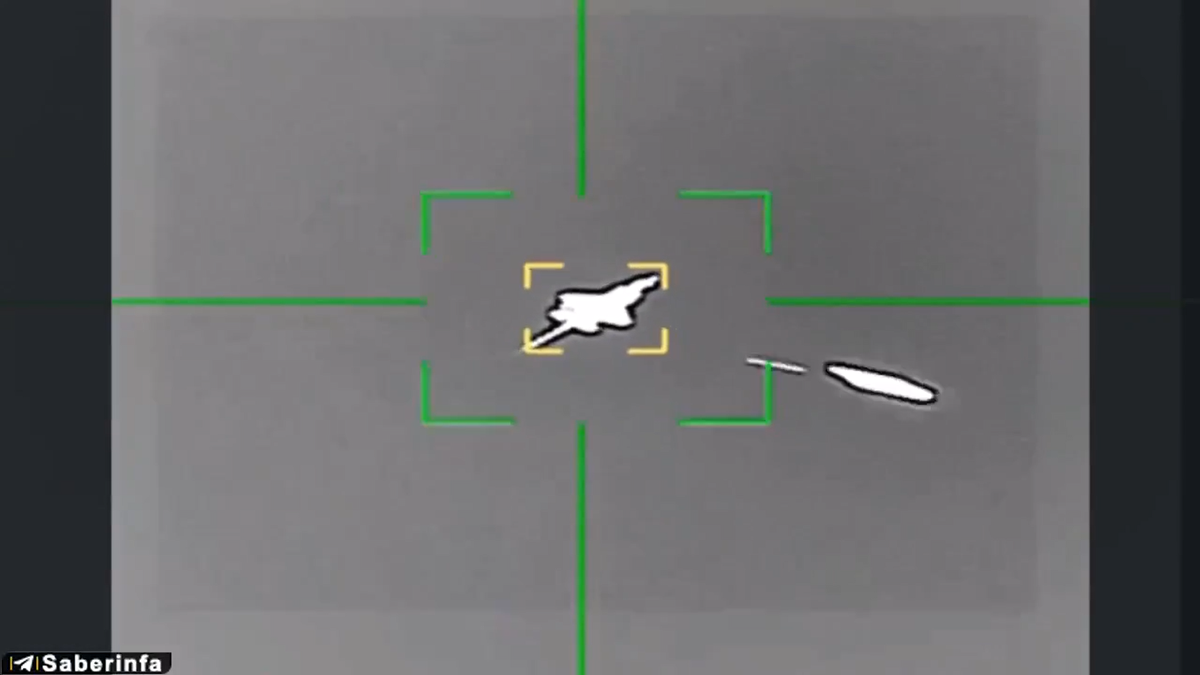
Furthermore, the technology of modern maritime threats has outpaced the technology of defense. A $20,000 "suicide drone" can disable a $200 million vessel. The cost-to-damage ratio is heavily skewed in favor of the disruptors. A maritime framework that focuses on traditional naval patrols is trying to stop a swarm of bees with a sledgehammer. It is inefficient, expensive, and ultimately doomed to fail if the underlying political tensions aren't addressed.
The Hidden Hand of Geopolitical Rivalry
We cannot discuss the Gulf without discussing the power struggle between regional heavyweights. Shipping has become a proxy for these tensions. When a ship is seized or harassed, it is rarely about the cargo itself. It is a signal sent from one capital to another. The merchant mariner is simply a pawn in a much larger game of chess.
The UN’s call for a "framework" assumes that all parties want peace. But for some, the chaos is the point. Instability in the Gulf keeps oil prices high and keeps global powers distracted. Until the international community can create a cost for this interference that outweighs the benefits, the harassment will continue.
The Technology Gap in Maritime Defense
Modern merchant ships are massive, slow-moving targets with minimal defensive capabilities. They were built for efficiency, not survival. Retrofitting these vessels with electronic warfare suites or anti-drone systems is cost-prohibitive for most owners.
The IMO's framework needs to look beyond naval escorts and start mandating higher standards for shipboard security technology. This includes better AIS (Automatic Identification System) encryption to prevent spoofing and long-range acoustic devices to deter boarders. However, the shipping industry is famously slow to adopt new regulations, often taking a decade to implement changes that should take months.
Moving Toward a Hardened Supply Chain
If the UN framework fails—and historical precedent suggests it will—the burden falls back on the private sector. We are likely to see a bifurcation of the shipping industry. On one side, you will have "hardened" fleets, heavily insured and potentially escorted by private or state-sponsored security, serving high-risk routes at a premium. On the other, smaller operators will be forced to take the long way around or exit the market entirely.
This consolidation is bad for competition but may be the only way to ensure the flow of goods. The era of cheap, invisible shipping is over. Every time you track a package or look at the price of fuel, remember that its journey likely involved navigating a zone where international law is currently more of a suggestion than a rule.
The next step for any logistics firm or energy company is to stop waiting for a UN miracle and start diversifying routes. If your entire business model depends on a "safe maritime framework" in the Gulf, you aren't running a business; you're running a gamble.