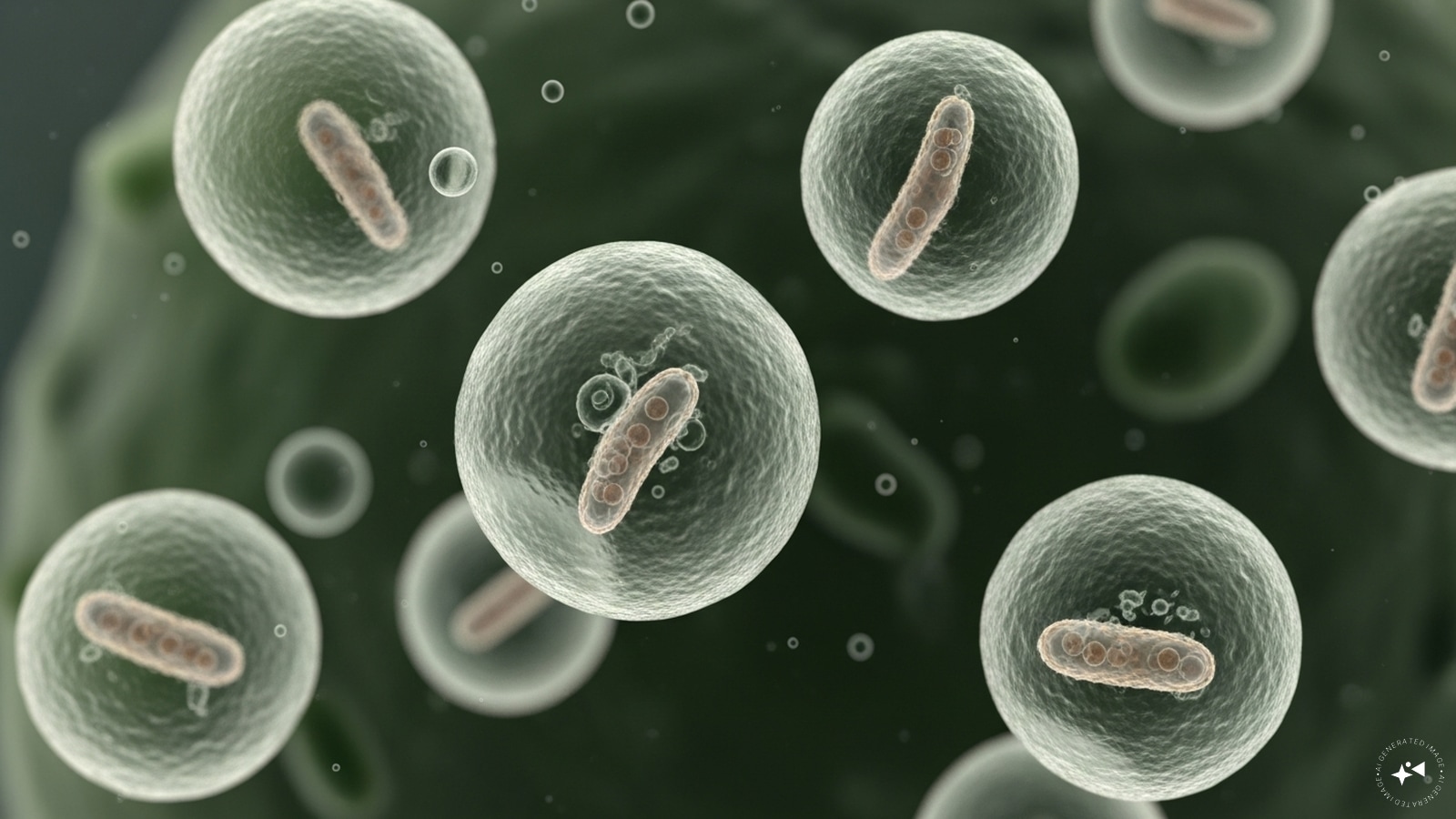
The World Health Organization recently signaled a disturbing shift in the behavior of Hantavirus during a cruise ship outbreak, pointing to the possibility of human-to-human transmission. This isn't just a localized medical fluke. It is a fundamental crack in the wall we built to keep wilderness pathogens out of our urban and transit systems. While Hantavirus has historically been a "dead-end" infection—contracted only through direct contact with rodent droppings—the current evidence suggests the virus may be adapting to the high-density, closed-loop environments of modern luxury travel.
For decades, the medical consensus was clear. You get Hantavirus Pulmonary Syndrome (HPS) from breathing in dust contaminated with the urine or saliva of deer mice and cotton rats. It didn't jump from person to person. But the confined air filtration systems and shared living quarters of a cruise ship have created a pressurized petri dish that may have forced a viral evolution. If the WHO’s suspicions are confirmed, the trillion-dollar maritime industry is facing a threat that no amount of hand sanitizer or buffet-line sneeze guards can stop.
The Myth of the Dead End Pathogen
We have long treated Hantavirus as a rural hazard, something for hikers and cabin owners to worry about. The virus causes a severe respiratory disease that begins with flu-like symptoms but quickly escalates into a life-threatening build-up of fluid in the lungs. The mortality rate is staggering, often hovering around 38%.
The "dead-end" theory relied on the assumption that the viral load in human lungs wasn't high enough, or the shedding mechanism wasn't efficient enough, to infect another person. However, the Andes virus—a specific strain of Hantavirus found in South America—has already proven this theory wrong in limited settings. The current outbreak on the high seas suggests that other strains might be learning the same trick. When a virus enters a ship, it enters a closed ecosystem where every breath of air is recycled and every surface is touched by thousands of hands within a single week.
[Image of Hantavirus structure]
Why the Maritime Environment Accelerates Viral Mutation
Cruise ships are unique in the world of logistics. They are floating cities with the population density of Manhattan and the recycled air of a submarine. This environment provides the perfect pressure cooker for viral adaptation.
When a pathogen enters this space, it is no longer competing in the wild. It is competing for survival against industrial-grade cleaning agents and high-efficiency particulate air (HEPA) filters. Natural selection under these conditions favors the most resilient and most transmissible variants. If a passenger brings a rodent-borne infection on board, the virus is suddenly exposed to thousands of potential hosts in a setting where social distancing is structurally impossible.
The air handling units are the primary culprit. While modern ships use advanced filtration, the sheer volume of air moved through common areas—theaters, dining halls, and casinos—means that if a virus becomes even slightly more stable in an aerosolized form, it can travel much further than the standard six-foot radius we’ve become accustomed to during other respiratory crises.
The Rodent Logistics Problem
One must ask how a rodent-borne virus ends up on a multi-billion dollar vessel in the first place. The answer lies in the supply chain.
A cruise ship is a massive intake valve for goods from all over the world. Fresh produce, dry goods, and linens are loaded in bulk at every port of call. Despite rigorous inspections, it takes only one contaminated crate or one infected rodent hitching a ride in a pallet of grain to introduce the virus to the ship's underbelly. Once the virus is on board, it can survive in the dark, cool corners of cargo holds and maintenance tunnels, eventually making its way into the passenger decks through the HVAC systems or incidental contact.
Hidden Symptoms and the Diagnostic Lag
The danger of Hantavirus is that it hides behind the mundane. The initial symptoms are fatigue, fever, and muscle aches. On a vacation, these are easily dismissed as exhaustion, mild seasickness, or "the cruise cold."
By the time a passenger experiences shortness of breath, the lungs are already filling with fluid. This is known as the "cardiopulmonary stage," and it happens with terrifying speed. In a land-based hospital, the diagnostic tools are readily available. On a ship, the medical bay is often equipped for minor trauma and common ailments, not for the complex intensive care required for HPS. This lag in diagnosis doesn't just put the individual at risk; it gives the virus more time to shed and potentially spread to others if human-to-human transmission is indeed occurring.
The Economic Impact of a Biohazard Label
The cruise industry is still recovering from the reputational damage of the early 2020s. A Hantavirus outbreak that proves human-to-human transmission would be a catastrophic blow. Unlike common gastrointestinal issues like Norovirus, which are miserable but rarely fatal, Hantavirus carries a death sentence for nearly four out of every ten people it infects.
Insurance companies are already eyeing these developments with predatory interest. If the maritime sector cannot prove it can contain a "Level 4" threat, the premiums for operating these vessels will skyrocket, likely pushing the cost of luxury travel out of reach for the middle class. We are looking at a future where ships might require the same level of biosafety protocols as a high-security laboratory.
Challenging the WHO Surveillance Data
It is worth noting that the WHO is often criticized for being overly cautious or, conversely, for sounding alarms too late. In this case, the organization is relying on clusters of cases that cannot be explained by individual exposure to rodents.
Critics argue that the passengers could have all been exposed to a single contaminated source—a specific food item or a particular excursion site—rather than infecting each other. This is a valid counter-argument. However, the genetic sequencing of the virus in these patients shows nearly identical mutations, which is a hallmark of person-to-person spread. If the passengers were infected by different rodents in different locations, we would expect to see more genetic diversity in the viral samples. The uniformity of the virus suggests a single point of entry followed by a chain of human transmission.
Redefining the Safety Net
The current protocols for maritime health are reactive. We wait for people to get sick, then we try to clean the surfaces they touched. This is an outdated strategy for a virus that might be moving through the air.
A total overhaul of shipboard ventilation is the only long-term solution. This means moving away from centralized air recycling and toward localized, chemically treated air zones. Furthermore, the supply chain needs an "absolute zero" rodent policy that goes beyond visual inspections and utilizes DNA-based detection methods to ensure that no viral material enters the ship's stores.
We have spent trillions on the comfort and entertainment of passengers, while the literal air they breathe remains a shared and potentially lethal resource. The Hantavirus outbreak is a warning shot across the bow. It tells us that the barriers we've built between the wild and the civilized are thinner than we want to admit.
The industry must now decide if it will invest in the boring, expensive infrastructure of biosecurity or continue to gamble on the hope that the "dead-end" virus stays dead. If the latter is the choice, the next outbreak won't just ruin a vacation; it will empty the seas.
Strict adherence to isolation and the immediate deployment of mobile ECMO (extracorporeal membrane oxygenation) units at ports are the only ways to handle the current cluster. Without the ability to bypass the lungs and oxygenate the blood mechanically, we are essentially watching passengers drown in their own bodies. Every hour of delay in admitting the severity of human transmission increases the body count.