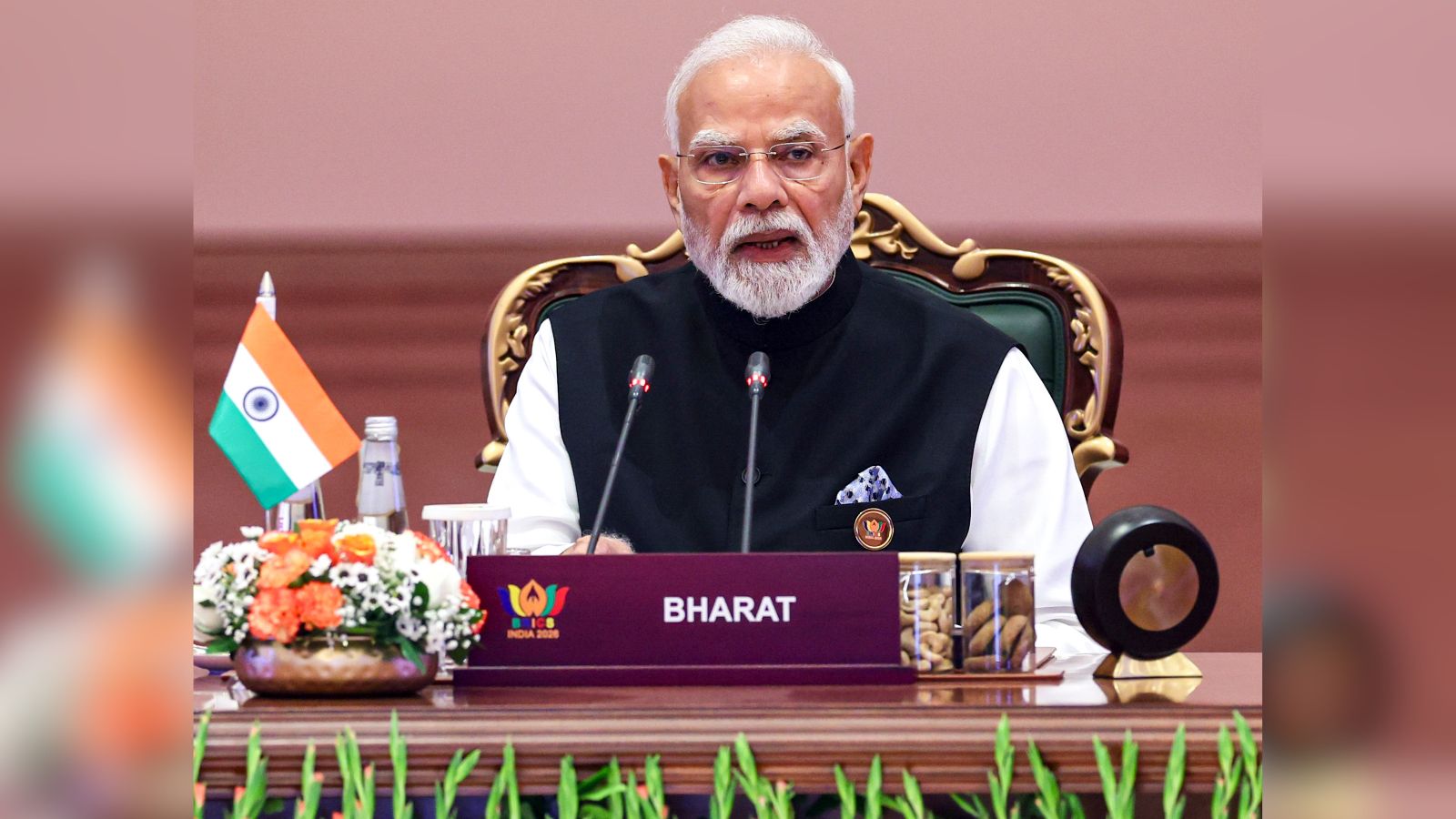
Two nuclear-armed neighbors with a history of bitter conflict sit in the same room in New Delhi, talking not about missiles or border lines, but about old walls, broken clay, and verses written centuries ago.
Sounds naive. Almost poetic in a way that makes seasoned diplomats roll their eyes.
Yet that is precisely what unfolded as India hosted the inaugural Shanghai Cooperation Organisation Civilisational Dialogue Forum from November 20 to 22, 2026. All ten full SCO member states—Belarus, China, India, Iran, Kazakhstan, Kyrgyzstan, Pakistan, Russia, Tajikistan, and Uzbekistan—were invited. Following the 2025 military clash between India and Pakistan, and with Pakistan holding the rotating SCO chairmanship for 2026–2027, Pakistani representation arrived in Delhi for a gathering rooted in shared heritage rather than military posturing.
Diplomacy usually moves on cold calculations. Threat assessments. Sanctions. Tariff tables.
Civilisational dialogue asks a stranger, riskier question: what if the things that unite two warring societies are older, deeper, and more stubborn than the treaties that divide them?
Why Stone Walls Feel Safer Than Negotiating Tables
To understand why a cultural summit carries weight after a shooting war, consider a hypothetical scene—one that mirrors real pressures felt across South and Central Asia every day.
Picture an archivist named Farhan in Lahore and a conservation engineer named Meera in Delhi. They have never met. Their phones buzz with headlines about troop movements, border tensions, and sharp speeches from capitals. Between their two countries runs one of the most heavily militarized frontiers on earth. Both nations carry heavy memories of 1947, later wars, and the 2025 confrontation that left families gripping their radios and refreshing news feeds with dread.
Now imagine Farhan and Meera looking at the same problem: monsoon floods and shifting riverbanks eroding brick shrines and centuries-old mud-plaster courtyards.
When diplomats sit across a bilateral table after a clash, every word is weighed like a live wire. Conceding a point can look like weakness back home. Mentioning shared roots can trigger accusations of treason or naivety. A handshake becomes a political grenade.
A multilateral forum on heritage changes the geometry of the room.
At the Delhi gathering, anchored around historic sites like Purana Qila and cultural exhibitions such as The Light and the Lotus: Relics of the Awakened One, speakers reached back across centuries. References to figures like Mirza Ghalib and rulers such as Humayun and Sher Shah surfaced not as slogans, but as reminders of overlapping layers of memory. Pakistani representatives framed their participation around multilateral cooperation and safeguarding historical sites against natural disasters and climate shocks, proposing a bloc-wide network of cultural institutions, a digital repository, and climate-resilient protection for heritage landmarks. Meanwhile, Indian leadership—having first floated the idea of a dedicated SCO civilisational dialogue platform at the 2025 summit in Tianjin and seen it welcomed in the Bishkek Declaration—used the opening in Delhi to call for dialogue, mutual trust, harmony, and security across the ten-nation grouping.
Think of it like two neighbors who stop shouting over a property line because a storm is tearing the roof off a shared barn. Neither has to suddenly become best friends to grab a ladder.
Look closely at that small carved seal from the Indus Valley—a civilization whose cities once stretched across regions that now sit on opposite sides of modern borders. Carvers pressed these tiny stamps into clay thousands of years before passports, radar stations, or modern nation-states existed. Looking at that elephant and those undeciphered characters, you realize how young our modern political maps really are compared with the human stories carved into earth and stone.
The Invisible Stakes Behind "Soft" Diplomacy
Skeptics love to dismiss cultural summits as window dressing. A speech about poets or ancient stones doesn't stop a border skirmish by itself.
Fair point.
Anyone who has lived near a fault line—whether a literal seismic fault or a geopolitical one—knows how fragile calm can be. You hear it in the quiet before a storm. Shopkeepers close shutters a little earlier. Parents check in twice. Even when guns aren't firing, the psychological tax is relentless. Trust dries up first. Once trust is gone, even routine emergencies become suspicious.
That is where the invisible stakes of a civilisational forum live.
When neighbors only talk during crises, their entire vocabulary of engagement becomes crisis management. Every meeting looks like an emergency room visit. Over time, both publics start believing that hostility is the natural state of affairs and that peace is an unnatural trick.
Creating a recurring table around shared history, architecture, and cultural preservation does something subtle. It gives officials, scholars, and institutions a non-lethal channel to stay in the same room. It reminds audiences across ten countries—spanning South Asia, Central Asia, Russia, China, Iran, and Belarus—that this vast landmass has always been a crossroads of trade, language, faith, and craft.
Consider what happens when a museum curator in Samarkand, a historian in Almaty, a restorer in Delhi, and a heritage official in Islamabad compare notes on preserving fragile manuscripts or protecting monuments from flash floods. None of those conversations erase unresolved disputes over security or sovereignty. Indian leaders have made clear that security concerns, connectivity, and zero tolerance for terrorism remain central pillars of their SCO vision. Pakistani delegates have likewise kept their remarks anchored in multilateral frameworks.
Yet even a narrow bridge matters when the river is wide.
Why This Moment Feels Different—And Why Doubt Still Lingers
Timing gives this gathering an edge that earlier cultural meetings lacked.
The Shanghai Cooperation Organisation, born in 2001 among six states and now spanning ten full members alongside observers and dialogue partners, has spent much of its life focused on hard security, border stability, and economic connectivity. Adding a dedicated civilisational dialogue track turns a spotlight onto human memory at a moment when global politics feels fractured and loud.
With Pakistan holding the rotating SCO chairmanship for 2026–2027 following the Bishkek summit, and India hosting the inaugural civilisational forum in New Delhi in late November 2026, both capitals are operating inside a shared institutional calendar.
Still, let's be honest with ourselves. Doubt isn't a sin here; it's survival instinct.
We have seen grand declarations before. We have seen warm speeches at summits followed within weeks by cold silence or renewed friction. A heritage forum cannot magically heal decades of grief, territorial disputes, or deep-seated suspicion. Anyone promising instant reconciliation is selling a fairy tale.
Let's be clear about the metaphor we used earlier: two neighbors fixing a storm-damaged roof is an analogy for shared practical concern, not proof that old grievances have vanished. In real politics, suspicion lingers long after polite applause fades.
So why pay attention at all?
Because history rarely turns on a single grand gesture. More often, it shifts when people find a reason to sit down without losing face—and discover that the other person across the table is wrestling with the same floods, the same crumbling walls, and the same fear of passing an unlivable world to their children.
What Survives When Borders Harden
Walk through any old city in this region and you'll see the argument written in brick and timber. Courtyards built to catch a breeze. Archways shaped for shade. Libraries that survived invasions only to face neglect or dampness centuries later.
Politicians come and go. Governments rise, clash, and realign. Borders get drawn, redrawn, fenced, and patrolled.
Craftsmen keep mixing lime plaster. Poets keep getting quoted at weddings and funerals. Rivers keep carrying silt from high mountains down toward plains that never asked to be divided.
When India and Pakistan sit under the same SCO roof in New Delhi to talk about civilisational heritage, nobody is pretending the past is simple. The weight of recent conflict is too heavy for easy platitudes.
Instead, a quieter truth stands in the room: before there were flags on every ridge, there were human hands shaping clay, trading stories, and trying to keep beauty alive against time.
A single summit won't rewrite geopolitics overnight, yet the very act of listening across old wounds reminds everyone in the room that memory is a shared inheritance—not a weapon waiting to be swung.