The recent $53 million settlement reached by Harvard University serves as a grim marker of how far institutional oversight can collapse when reverence for the deceased is traded for profit. For years, Cedric Lodge, the former morgue manager at Harvard Medical School, treated the bodies of individuals who had selflessly donated their physical forms to medical education as inventory for a gruesome black market. While the payout brings a formal end to the civil litigation surrounding this betrayal, it does little to mend the foundational crack in the anatomical donation pipeline.
The arrangement involves two class action funds intended to provide some form of closure for the families impacted by the theft of organs, brains, and other remains. Beyond the financial sum, Harvard has agreed to a public acknowledgment that these acts were morally indefensible, alongside a commitment to provide transparency regarding the overhaul of their Anatomical Gift Program. Yet, money cannot erase the reality that for a significant period, the threshold between the sacred act of medical donation and a commercialized house of horrors was maintained by a single, unmonitored individual. Read more on a related subject: this related article.
How could a person in such a position of trust operate undetected for so long? The core of the problem lies in the inherent invisibility of morgue operations. Anatomical gift programs operate on a high-trust model. Donors and their families assume that their final gift will be handled with dignity by medical professionals. When that trust is breached, the failure isn't just one of security; it is a failure of institutional culture. Organizations often prioritize the prestige of their research outcomes while leaving the mundane, messy reality of handling human remains to isolated staff. This isolation created the exact environment where someone like Lodge could exploit his position without raising internal alarms.
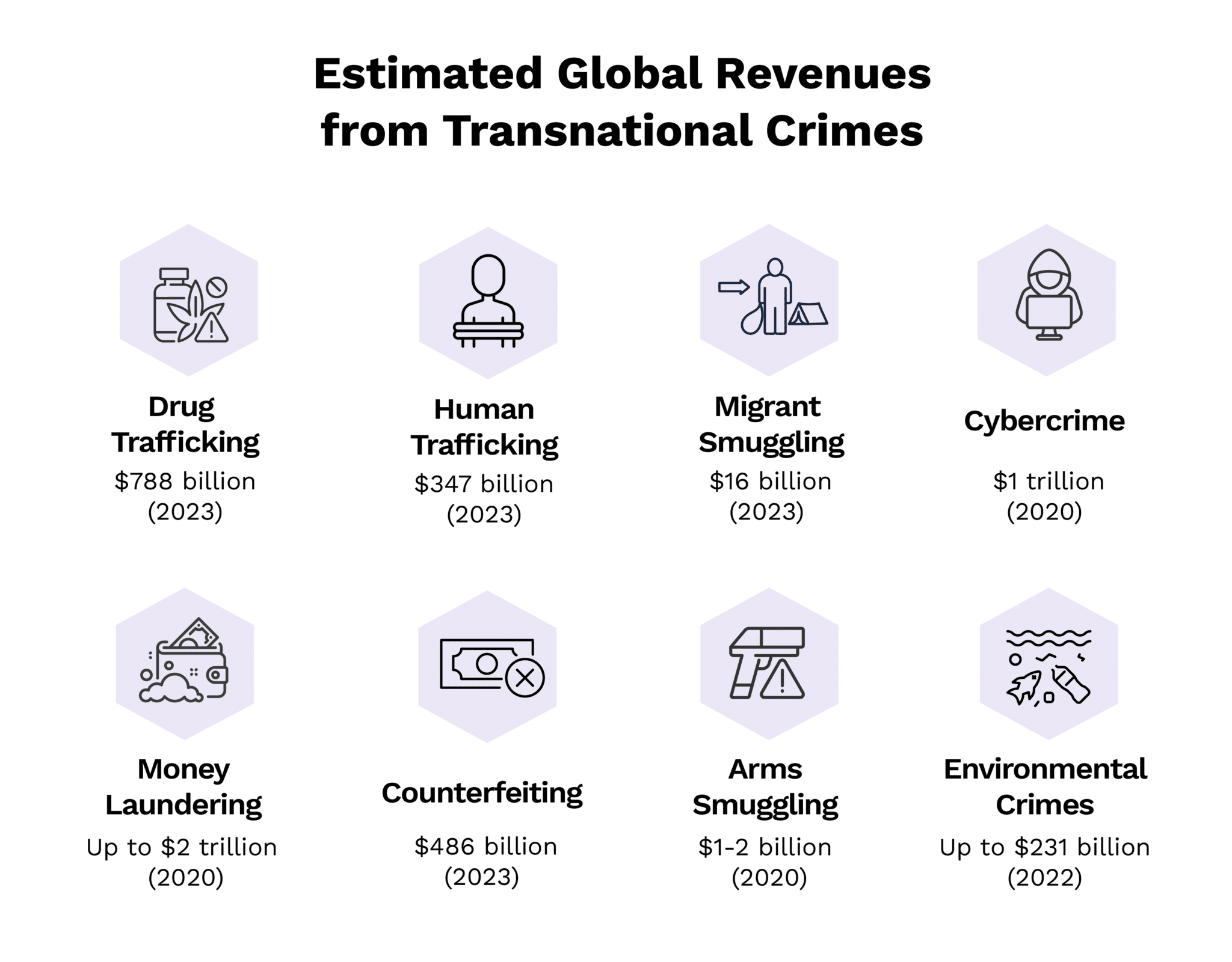
Consider the logistics of the illicit trade. Lodge and his accomplices did not merely misplace records. They actively trafficked human remains across state lines, involving buyers who operated under the guise of collectors or enthusiasts of the macabre. This was not a victimless transgression of policy. Every item sold represented a person who had believed their contribution would advance scientific knowledge. The black market for human body parts thrives in the shadows of gaps between state regulation and institutional self-governance. When oversight is decentralized or left to the discretion of long-term employees who face little scrutiny, the system invites exploitation. More analysis by BBC News delves into related perspectives on the subject.
Harvard’s response, which includes the implementation of recommendations from outside experts to change governance and facilities, arrives years too late for the families involved. The university now faces the arduous task of convincing future donors that their anatomical gifts are safe. This is not merely a public relations issue. It is a fundamental question of medical ethics. If an institution of Harvard’s standing can fail so spectacularly to secure its own morgue, the question shifts to how other medical facilities across the country manage their own donor programs.
The reality is that donor programs often suffer from a lack of rigorous, independent auditing. While laboratories and operating rooms are subject to strict health and safety inspections, the processing and storage of cadavers often fall into a different regulatory category. This allows for discrepancies in record-keeping and storage protocols to persist. When institutions treat cadavers as mere laboratory equipment rather than the mortal remains of human beings, the moral weight of the task dissipates. This devaluation is what allows for the shift from "scientific material" to "market commodity" in the mind of an unethical actor.
Moving forward, the medical community must reckon with the need for radical transparency. This means moving beyond internal reviews and toward independent, third-party oversight of all anatomical gift programs. Families deserve to know exactly how their loved ones are utilized, stored, and eventually laid to rest. Without a rigorous standard that applies to every facility handling human remains, the risk of another scandal remains high. Anonymity and secrecy, which have historically protected the dignity of the donor, have paradoxically become the very shields used by those who exploit them.
The $53 million settlement is a significant figure, yet it is ultimately a reactive measure. True reform requires a shift in how medical schools view their role as custodians of the deceased. It is a profound responsibility that demands constant vigilance, not just periodic updates when the headlines turn hostile. The path to restoring faith in medical donation starts with acknowledging that the system was fundamentally broken, and that the promise of a dignified end for donors was shattered by a lack of institutional courage to look closely at who was holding the keys to the morgue door.
Harvard's morgue scandal explained
This video provides an overview of the legal outcomes and the timeline of the events surrounding the Harvard Medical School morgue scandal.