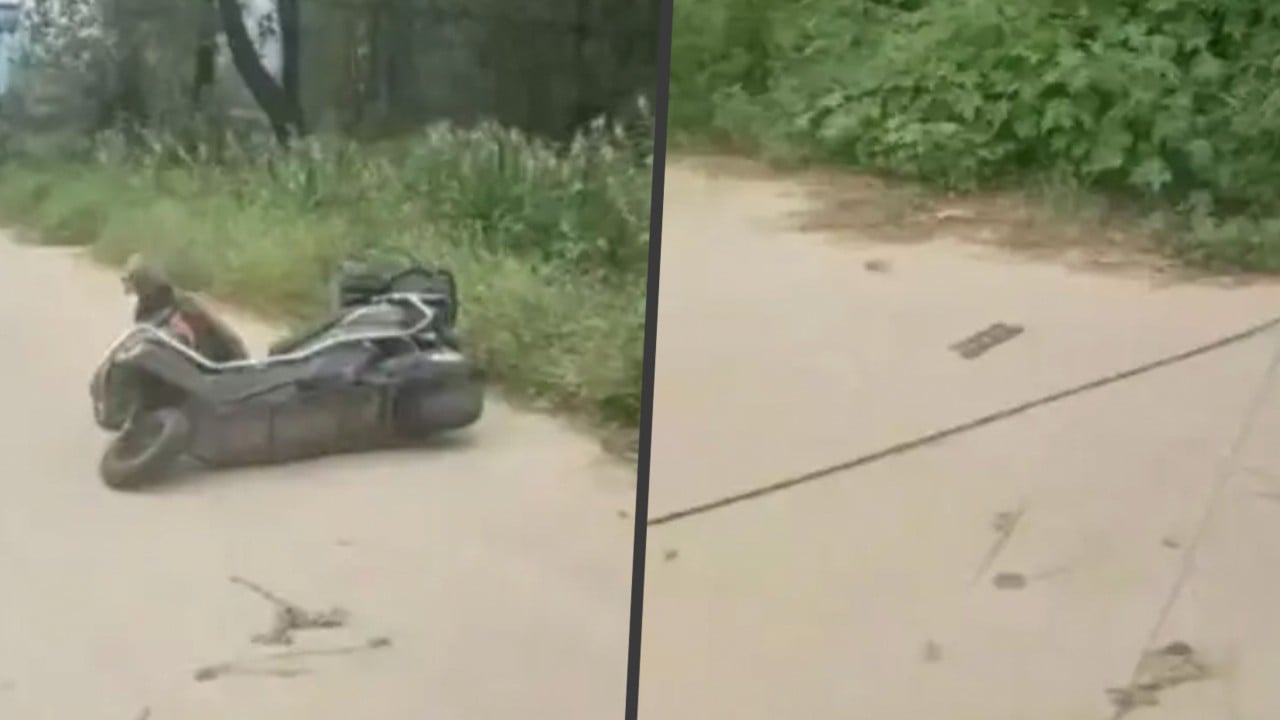
You stop to help an injured person on the side of the road. You call an ambulance, wait with them, and try to do the right thing. Weeks later, the police arrest you for manslaughter. That sounds like a dystopian legal nightmare. Yet, it happened. A Chinese Good Samaritan found himself facing serious criminal charges after a rescue effort went sideways.
Good intentions don't shield you from criminal liability. That harsh reality shakes the foundation of everyday altruism. When legal systems penalize intervention, bystander apathy becomes a survival strategy.
Let's look at why this case sparked a massive global debate. We need to talk about what happens when civic duty collides with rigid legal codes.
The Cost of Intervening
We teach children to help others. Society praises people who step up during emergencies. But reality often spits on idealism.
When a stranger needs medical help, your split-second choice carries massive risk. If you move an accident victim incorrectly, you might worsen spinal trauma. If you administer CPR improperly, you can break ribs or fail to restart the heart.
In many jurisdictions, the law protects people who attempt rescue under Good Samaritan statutes. These laws shield everyday citizens from lawsuits if their emergency aid causes unintended harm. But legal protections vary wildly across international borders. China's legal landscape regarding civilian rescue has a dark history. For years, viral cases of rescued elderly people suing their saviors created a chilling effect. People walked past bleeding victims on crowded streets because they feared financial ruin.
This latest case takes that terror to an entirely new level. We aren't just talking about civil lawsuits anymore. We are talking about criminal manslaughter charges slapped onto someone who tried to save a life.
How Kindness Turned Into a Crime Scene
Investigators pieced together an event that started with routine compassion. A motorist noticed a collision or a medical distress scenario. They pulled over. They attempted to render assistance.
Something in that sequence of events allegedly accelerated the victim's death. Prosecutors argued that the intervention violated basic medical safety protocols. Instead of waiting for certified paramedics, the bystander took matters into their own hands.
The threshold between "good citizen" and "reckless amateur" is terrifyingly thin. Courts look at causation. Did your actions directly cause the fatal outcome, or did you merely fail to save them?
If you step into a medical emergency, you assume a duty of care. Prosecutors in this case claimed that the intervention crossed a legal line. It wasn't just a failed rescue. It was an unauthorized action that introduced fatal variables.
That distinction terrifies medical professionals and casual observers alike. If an untrained civilian makes a mistake while trying to stop someone from bleeding out, are they a murderer? The legal system in this instance answered with a chilling yes.
The Legal Trap Nobody Talks About
We rarely discuss the liability trap waiting for well-meaning bystanders. We assume courts possess common sense. We assume judges will look at intent.
They don't. Criminal law cares about actions and consequences, not warm fuzzy feelings.
If you lack formal medical training, stepping into an acute trauma situation is legally perilous. Emergency medical technicians spend years learning how to handle fragile human bodies. A regular office worker does not possess that skill set.
When you intervene, you accept liability for the outcome of your physical manipulation. If the victim dies and autopsy reports show that movement caused internal hemorrhaging, prosecutors look for someone to blame. The drunk driver who caused the initial crash might be gone or insolvent. The hospital might be too far away. The bystander right there in the photos becomes an easy target for accountability.
This creates a perverse incentive structure. The smartest move for any citizen becomes looking away. Do not look. Do not stop. Keep driving.
Society loses its soul when the law punishes empathy.
Protecting Yourself While Doing the Right Thing
You shouldn't stop helping people. But you need to be smart. Passion without boundaries gets you arrested.
First, know your limitations. If someone needs CPR and you don't know how, call emergency services immediately. Put the phone on speaker. Let dispatchers guide your hands. That creates an official record that you followed professional instructions.
Second, avoid moving trauma victims unless immediate environmental hazards threaten their lives. Moving a crashed vehicle victim with a fractured neck can sever the spinal cord. Unless the car is actively burning, leave stabilization to the paramedics.
Third, understand local laws. Know whether your country or region has robust Good Samaritan protections. If you live in a jurisdiction where civil liability is loose but criminal negligence laws are aggressive, your risk profile changes entirely.
This case serves as a brutal wake-up call. The world isn't fair, and the law isn't always guided by common sense. When you step out of your car to play the hero, you step into a courtroom lottery. Keep your eyes open, protect yourself, and demand better legal protections for everyday people who refuse to look away.