The Midnight Alarm That Exposed a Broken Infrastructure
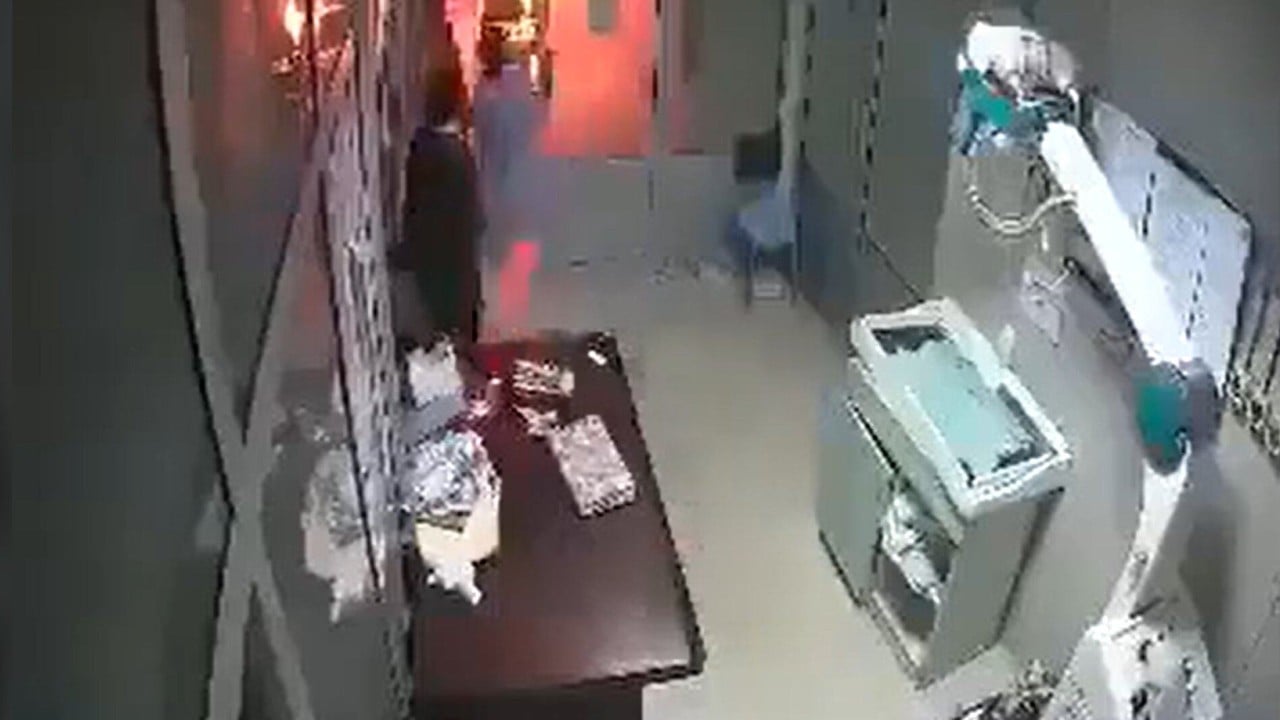
Flames do not care about protocol. They do not check shift schedules, nor do they pause for bureaucratic budget allocations. When an electrical short circuit ignited a neonatal intensive care unit in Pakistan, the ensuing chaos laid bare a terrifying truth about public healthcare infrastructure. Amid the thick black smoke and the panic of collapsing infrastructure, a single nurse stepped forward. Her name is Mariam Bibi, though the official reports often blur her identity into a generic symbol of sacrifice.
The core story is striking in its simplicity. A fire broke out in the dead of night. Equipment failed. Staff scattered. Mariam ran toward the heat, hauling infants out of plastic incubators one by one until her lungs burned and her uniform melted. But reducing this event to a heartwarming human-interest anecdote misses the investigative mandate. Behind every individual act of extraordinary courage lies an ordinary institutional failure that forced that courage to become necessary in the first place.
Why was a single nurse left to shoulder the burden of evacuation? Why did the ward lack basic, functional fire suppression systems that could have smothered the blaze before it reached the cribs? To understand this incident, we have to look past the medal ceremonies and examine the fragile architecture of emergency response in provincial medical facilities.
Anatomy of a Preventable Disaster
Hospitals are engineered to be sanctuaries. Yet, across large swathes of South Asia's public healthcare grid, underfunded hospitals operate as ticking time bombs. Outdated wiring, overloaded circuits running legacy air conditioning units, and nonexistent safety inspections combine to create persistent hazards.
When the fire started, the primary defense mechanism was not an automated sprinkler system. It was human panic.
- Infrastructure Deficits: Many public hospitals rely on decade-old electrical grids that were never designed to handle the massive load of modern medical machinery.
- Safety Training Gaps: Evacuation drills are frequently treated as paperwork compliance exercises rather than rigorous survival simulations.
- Staffing Ratios: A single nurse is often left in charge of twenty or more critical-care infants during night shifts, violating every safe medical staffing standard.
Mariam did not rely on a protocol because the protocol did not exist for this magnitude of failure. She relied on instinct. She wrapped the newborns in whatever damp cloth she could find, shielding their developing respiratory systems from toxic synthetic smoke. By the time emergency responders breached the perimeter, she had cleared the entire wing. Seven infants survived because one woman refused to let the smoke claim them.
The Aftermath and the Dangerous Myth of the Lone Hero
Public relations departments love a hero. A hero costs nothing to praise and requires no structural reform to maintain. Within forty-eight hours of the disaster, local politicians arrived with cameras, plaques, and promises of financial compensation.
This is where the narrative turns cynical.
When society turns systemic failures into individual morality plays, accountability evaporates. We praise the nurse for saving babies from a burning building, but we rarely ask why the building caught fire in the first place. We applaud the resilience of underpaid healthcare workers while the provincial health ministry quietly signs off on the same substandard electrical maintenance contracts for the district hospital next door.
Heroism in a modern medical crisis is an indictment of the system that required it. If an infant ward requires a frontline worker to risk third-degree burns to achieve zero casualties, the system has already failed at every preceding level of governance.
The Hard Path Forward
Fixing the structural vulnerabilities plaguing regional hospitals requires unglamorous, capital-intensive work. It requires replacing copper wiring behind concrete walls. It requires installing industrial-grade smoke evacuation fans and certified fire suppression canisters in every neonatal ward. It demands independent safety audits that cannot be bypassed with a bribe or a signature.
Mariam Bibi will receive her honors. Her name will appear in annual reviews as proof of institutional gratitude. But the real tribute would be a permanent transformation of the environment she fought so desperately to protect. Until then, the next midnight alarm is already ticking somewhere in the dark, waiting for another nurse to answer a call that should never have had to be made.