The scent of a maternity ward is universal. It is a mix of antiseptic, new life, and profound, quiet exhaustion. But step across the invisible borders of geography, and that same scent changes.
I remember the first time I stood in a rural clinic thousands of miles from the gleaming, climate-controlled hospitals of the Global North. There were no beeping monitors. There were no crisp, disposable linens. There was only a single, flickering fluorescent bulb, a rusted iron bed frame, and a mother clutching a plastic water bucket she had carried two miles down a red-dirt road.
In that room, giving birth is not a clinical milestone. It is a tightrope walk over an abyss.
Let us talk about the math of survival. In high-income countries, maternal mortality is a rare, devastating tragedy. In low-resource settings, it is a daily, preventable shadow. According to the World Health Organization, nearly 800 women die every day from preventable causes related to pregnancy and childbirth. Ninety-nine percent of these deaths occur in developing nations.
But numbers do not bleed. Numbers do not carry water buckets. Let us look closer at the human element behind the statistics.
The Journey of the Water Bucket
Consider the case of Amina. She is nineteen, lives in a sub-Saharan village, and is preparing to welcome her first child. In her community, the clinic does not have running water. Let that sink in. A maternity ward without running water is like a car without an engine. It is expected that the family will bring their own supply.
Amina’s mother makes the trek to the borehole twice a day, carrying five-gallon plastic buckets on her head. When Amina goes into labor, the bucket sits by the delivery table. It is used to clean the room, to wash the blood from the midwife’s hands, and to wash the newborn.
The contrast is jarring. In a wealthy nation, a sterile delivery room relies on complex infrastructure—pressurized pipes, reverse osmosis systems, backup generators. When you strip that away, childbirth is reduced to its absolute basics: human touch, basic sanitation, and sheer endurance.
The absence of a reliable water source turns a routine delivery into a high-stakes gamble with infection. Without clean water, sepsis becomes an invisible predator waiting in the corners of the room. The cost of a bucket of water is measured in human lives.
The Razor's Edge
Then there are the supplies. Walk into a hospital in London or New York, and you will find sterile surgical packs, individually wrapped scalpels, and medical-grade scissors designed to safely cut the umbilical cord.
Now, look at the reality of the communities left behind.
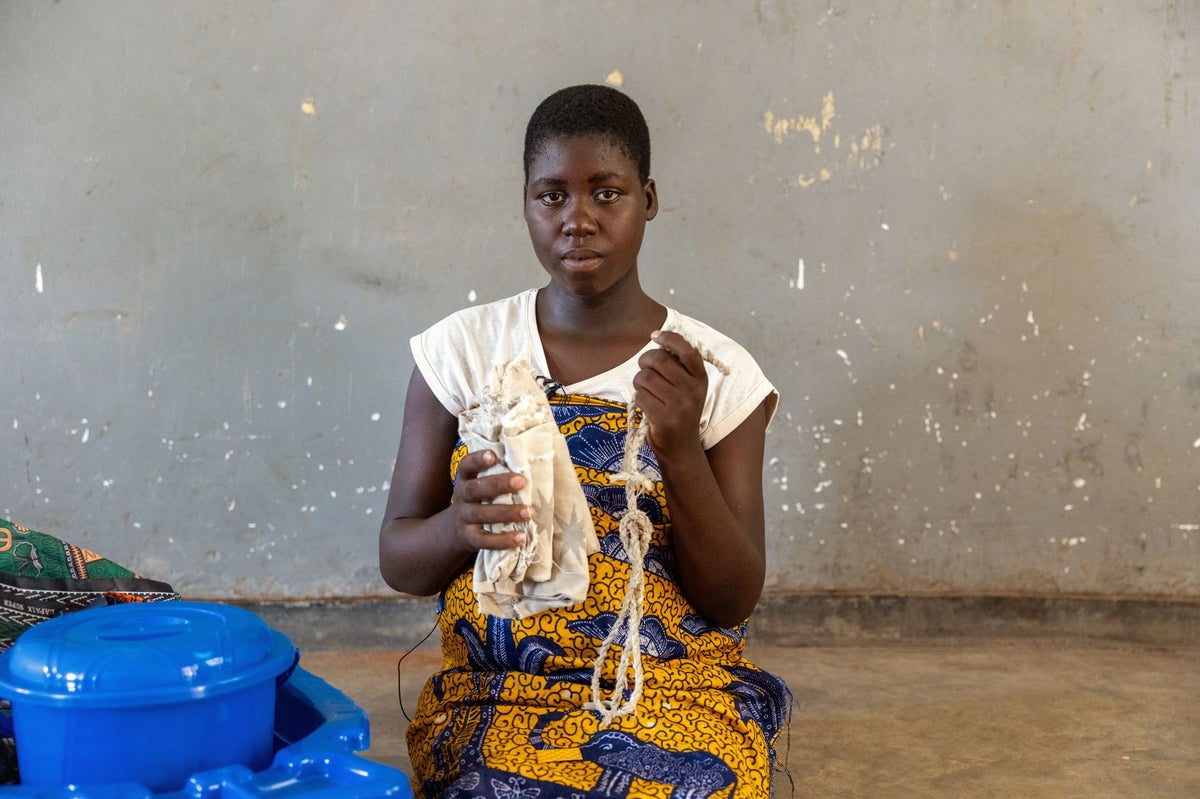
In many corners of the globe, families are handed a packing list by the local clinic before they can even be admitted. It is a grim inventory: baby clothes, razor blades, and cotton wool. The razor blade is meant to cut the cord. The baby clothes are meant to keep the infant warm immediately after birth.
Imagine the psychological weight of this reality. A mother is not just worrying about the pain of labor; she is terrified that she forgot to buy a specific brand of razor blade, or that the blade might be dull, or worse, previously used.
Using a standard razor blade to sever the umbilical cord introduces a terrifying risk of neonatal tetanus and infection. It is an act born of desperation, not choice. The infrastructure gap is not just a lack of money. It is a failure of global equity. It means that the safety of a mother and her child depends entirely on the contents of a plastic shopping bag she managed to scrape together.
The Economics of Inequity
Why does this disparity persist in an era of unprecedented medical advancement?
The answer lies in the distribution of resources. Global healthcare spending resembles an hourglass. The vast majority of funding and innovation pours into the narrow, wealthy top of the glass, leaving the broad, vulnerable base to subsist on the few drops that trickle down.
To understand this, consider an analogy. Imagine building a modern highway system where some drivers get smooth, well-lit pavement with guardrails and emergency services every five miles, while others are forced to drive down a rocky, unpaved mountain pass with no headlights and no brakes. The drivers on the mountain pass are not worse drivers. They are simply navigating a broken road.
When a woman in a low-resource setting hemorrhages, the nearest blood bank might be a three-hour drive away on a dirt road. She does not die because the cure for postpartum hemorrhage does not exist. She dies because the distance between her and that cure is too vast.
The Silent Crisis of Care
The problem goes beyond the physical infrastructure. It is about the dignity of care.
When a woman arrives at a hospital with minimal resources, she is often met with overwhelmed, underpaid staff. The lack of basic equipment creates a culture of triage where only the most critical cases are treated, and even then, under conditions that would be considered unacceptable elsewhere.
Midwives and nurses are the unsung heroes of this landscape. They work eighteen-hour shifts without gloves, without electricity, and without the support systems their counterparts in the Global North take for granted. They are asked to perform miracles with their bare hands.
But human willpower has its limits. When a clinic runs out of basic medication like magnesium sulfate to treat pre-eclampsia, even the most dedicated midwife is forced to stand by and watch a preventable tragedy unfold.
Rewriting the Future
We are not talking about an unsolvable problem. We are talking about a choice.
The solutions are known. They do not require the invention of new, expensive technologies. They require the will to distribute existing knowledge and resources equitably.
It starts with equipping clinics with solar-powered water filtration systems. It means supplying basic, sterile delivery kits to every expectant mother regardless of her income. It means training community health workers to identify danger signs before they escalate into emergencies.
The divide between those who survive childbirth and those who do not is not a biological imperative. It is a structural one.
The next time you turn on a faucet and watch clean water flow, or walk into a clean, well-lit room, remember the journey Amina and millions of women like her take. The bucket, the blade, and the swaddle are not just items on a list. They are the fragile, beating heart of global inequality.
Until we bridge this divide, the true cost of birth remains unpaid by the people who can most afford it, and paid in full by those who can least bear the weight.