April’s inflation data arrived with a predictable set of headlines blaming volatile energy markets for the squeeze at the supermarket. While a jump in gas prices certainly adds to the cost of moving a head of lettuce from a California field to a New York shelf, attributing the recent spike in food costs solely to the pump is a convenient oversimplification. The reality is far more systemic. Beneath the surface of the Consumer Price Index lies a complex web of labor shortages, climate-induced crop failures, and a fundamental shift in how grocery giants manage their profit margins.
American households are currently caught in a pincer movement. On one side, the raw cost of production is climbing due to global supply constraints. On the other, the retail infrastructure that delivers those goods has discovered that consumers will tolerate higher prices far longer than previously thought.
The Logistics Myth and the Energy Diversion
For decades, the standard explanation for food inflation followed a simple trajectory. When oil prices rose, diesel for trucks and tractors became more expensive, and those costs were passed down the line. It is a logical, linear narrative. However, the data from April suggests this link is fraying. Even as certain energy inputs stabilized, the price of eggs, meat, and processed cereals continued to climb.
This suggests that transportation is no longer the primary driver of the sticker shock you feel at the checkout line. Instead, we are seeing the long-term effects of structural labor inflation. The agricultural sector and the food processing industry are struggling with a chronic shortage of workers. From the slaughterhouse floor to the warehouse loading dock, wages have been forced upward to attract and retain staff. Unlike fuel prices, which can drop overnight, wages are "sticky." Once a company raises its base pay to $20 an hour to keep its doors open, that cost is permanently baked into the price of every gallon of milk or box of crackers they sell.
Climate Instability and the Shrinking Harvest
While economists pore over interest rates, meteorologists are arguably providing a clearer picture of why your grocery bill is rising. We are entering an era of agricultural volatility that the global supply chain is not equipped to handle.
In April, the ripples of poor harvests from previous seasons began to hit the retail market with full force.
- Avian Flu: Recurring outbreaks have decimated poultry flocks, leading to unpredictable swings in egg and chicken prices that have little to do with the price of crude oil.
- Drought in the Breadbasket: Sustained dry spells in the Midwest and South America have tightened the global supply of grains and sugar.
- Specialty Crop Failures: Extreme weather in Florida and California has made citrus and leafy greens luxury items rather than staples.
When a crop fails, the supply shock is immediate, but the price recovery is agonizingly slow. Retailers often keep prices elevated even after supply stabilizes, citing the need to recoup losses from the period of scarcity. This creates a "ratchet effect" where grocery prices move up easily but resist coming back down.
The Rise of Margin Expansion
There is a growing body of evidence suggesting that "greedflation"—a term once dismissed by mainstream analysts—is a measurable factor in the current economic climate. Large grocery chains and multinational food conglomerates have reported record or near-record profits over the last year. This happened while they were publicly blaming inflation for their price hikes.
The mechanism is simple. In an environment where everyone expects prices to rise, companies have a "smoke screen" to increase their margins. If a manufacturer’s costs go up by 5%, they might raise prices by 8%. The consumer, conditioned by news reports of a "cost of living crisis," pays the increase without the usual level of pushback.
We are seeing a shift from volume-based growth to margin-based growth. In the past, grocery stores operated on razor-thin margins, trying to sell as much product as possible. Now, they are finding that selling slightly less volume at a significantly higher price point is more profitable. This shift in corporate strategy is a quiet but powerful engine driving the April numbers.
The Shrinkflation Trap
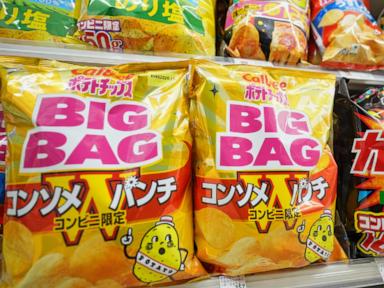
If the price on the tag isn't moving, the product inside the package probably is. Investigative audits of consumer goods reveal that "shrinkflation" reached a fever pitch this spring. Brands are reducing the weight of cereal boxes, the number of sheets on a paper towel roll, and the volume of yogurt containers while keeping the price stagnant or slightly higher.
This is a deceptive form of inflation that often evades the casual shopper's notice. It effectively raises the unit price of goods without triggering the psychological alarm bells that a higher shelf price would. For the average family, this means their weekly grocery haul simply doesn't last as long as it used to, forcing more frequent trips to the store and a higher total monthly spend.
Credit Dependency and the Breaking Point
The most concerning aspect of the April price data isn't the numbers themselves, but how Americans are paying for them. Recent banking data shows a sharp uptick in the use of credit cards for "essential" purchases like groceries. When a population starts financing its bread and milk, the economy is approaching a dangerous inflection point.
The buffer provided by pandemic-era savings has largely evaporated. Lower-income households are now spending a disproportionate amount of their take-home pay just to keep the pantry stocked. This diverts money away from discretionary spending, which eventually slows the broader economy. However, because food is a non-discretionary expense, demand remains "inelastic." People have to eat, so they keep paying, often at the expense of their long-term financial health.
The Myth of Federal Intervention
There is a common belief that the Federal Reserve can "fix" grocery prices by adjusting interest rates. This is a misunderstanding of how food markets work. While higher interest rates can cool a red-hot housing market or reduce consumer spending on cars, they do very little to address the cost of a bag of rice or a carton of milk.
In fact, higher interest rates can sometimes make food prices worse. Farmers and food processors often rely on short-term loans to fund their operations—buying seed, fertilizer, and equipment. As the cost of borrowing increases, those overhead costs are passed on to the consumer. The Fed's tools are blunt instruments; they cannot solve a drought in the Midwest or a labor shortage in a meatpacking plant.
Reevaluating the Supermarket Floorplan
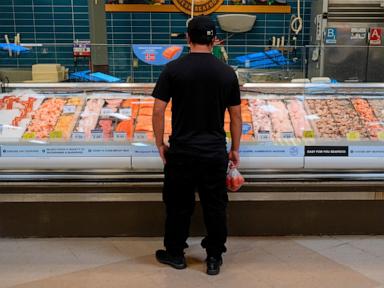
To understand the future of grocery pricing, you have to look at the store itself. Retailers are increasingly leaning on private-label brands to maintain their grip on the consumer. These "store brands" offer higher margins for the retailer while appearing as a "value" option for the shopper.
However, even these value options are seeing double-digit price increases. The gap between name brands and store brands is closing, leaving consumers with fewer places to hide from the rising tide of costs. This consolidation of pricing power within a few massive retail entities means that competition—the traditional check on price gouging—is becoming less effective.
The Strategy for Survival
The era of cheap food is likely over. The combination of labor costs, climate instability, and corporate margin expansion has created a new baseline for what it costs to eat in America. Relying on "gas prices coming down" to save your budget is a losing strategy.
Instead, the focus must shift to radical consumer transparency. Pay attention to the price per unit (ounces, grams, or sheets) rather than the total price on the tag. Move away from processed goods, which carry the highest labor and packaging markups, and toward raw commodities where the "greedflation" margin is slightly thinner.
The April data isn't a fluke or a temporary blip caused by a spike at the pump. It is a signal that the fundamental economics of the American dinner table have changed. The machinery driving these costs is deep, entrenched, and highly profitable for those at the top of the chain. Recognizing this is the only way to navigate a market that is increasingly designed to extract more for less.
Stop looking at the gas station signs to understand your grocery bill. Look at the balance sheets of the companies that own the shelves. That is where the real story of April’s inflation is written.