The political obsession with lowering prices at the pump via temporary tax holidays ignores a fundamental fiscal reality. When governments implement a fuel excise tax pause, they are rarely offering a free lunch. Instead, they are initiating a multi-billion-dollar shell game that shifts the burden from immediate consumption to long-term structural decay.
For months, politicians have championed legislative measures to suspend federal and regional fuel excise taxes, packaging these moves as essential relief for working families battered by global energy volatility. Yet, beneath the populist rhetoric lies a mechanism that exposes the fragility of public financing and the short-sighted nature of modern fiscal policy.
To understand why these suspensions generate more problems than they solve, one must look closely at how the mechanics of fuel taxation operate.
The Anatomy of a Temporary Relief Measure
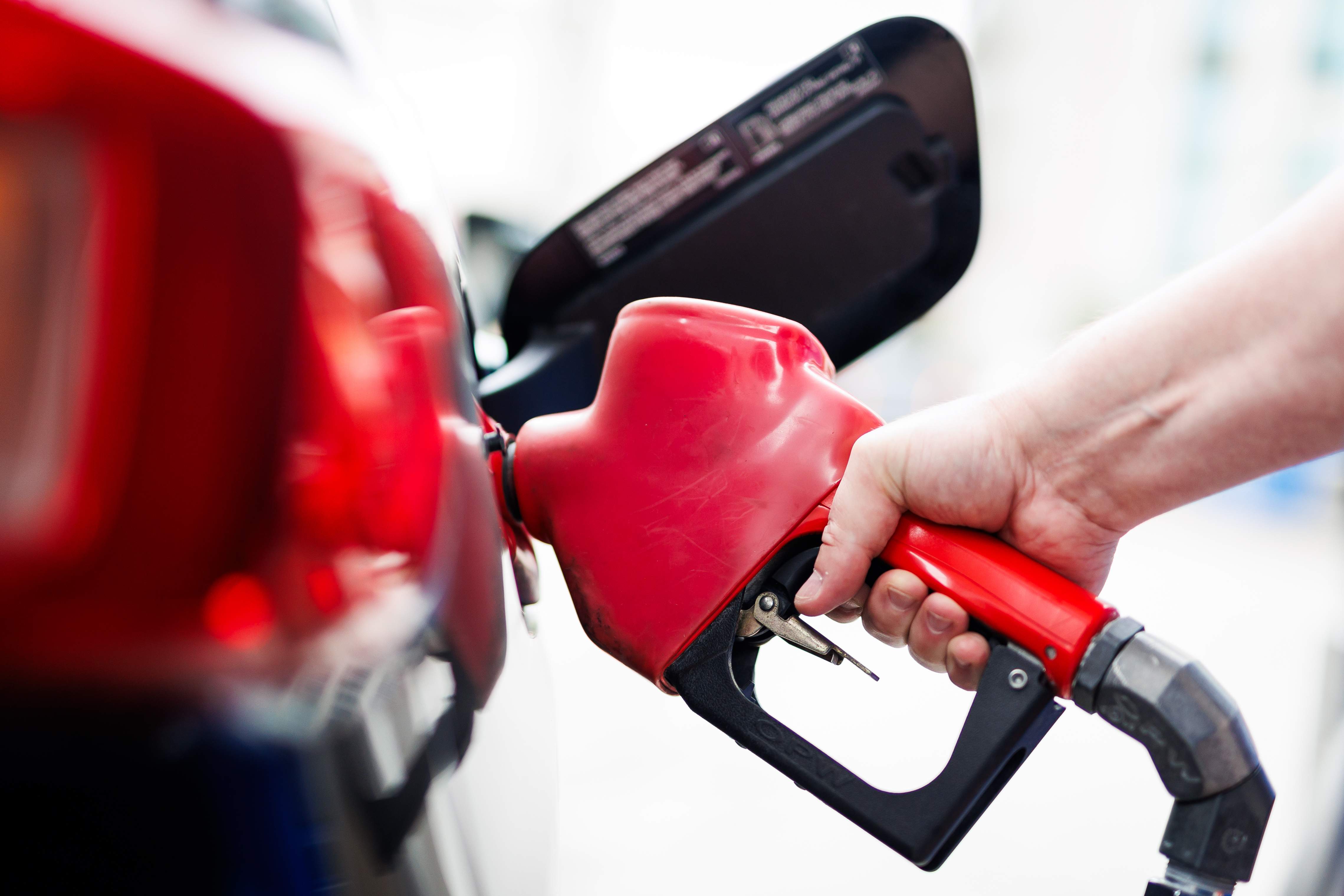
A fuel excise tax pause typically eliminates or reduces the per-litre or per-gallon levy collected at the wholesale level. Proponents argue that every cent removed from the tax equation directly reduces the price paid by consumers, offering immediate respite to commuters and logistics operators alike.
However, energy markets are notoriously opaque. Refiners and distributors do not always pass one hundred percent of the tax savings down to the retail buyer. Market concentration, regional supply constraints, and shifting crude oil benchmarks frequently absorb a portion of the tax cut. Consumers end up seeing a muted benefit at the pump, while public treasuries absorb an immediate, unmitigated revenue shock.
Consider the arithmetic. When legislative bodies vote to extend a fuel tax suspension—pushing deadlines months down the road—they create a massive shortfall in dedicated infrastructure funds. In many jurisdictions, these specific excise revenues are legally earmarked for road maintenance, bridge repairs, and mass transit investments.
Who Actually Benefits from the Holiday
Political messaging often frames fuel tax relief as a progressive lifeline for lower-income households. Independent fiscal watchdogs, however, routinely point to a starkly different distributional reality.
Because higher-income households typically commute longer distances, own larger vehicles, and consume more fuel overall, they capture a disproportionately large share of the total tax savings. A flat reduction per unit of fuel does nothing to account for socioeconomic disparities. It subsidizes the daily commute of a corporate executive just as much as—and often more than—that of a minimum-wage worker.
Meanwhile, public services face a squeeze. When billions of dollars in excise revenue vanish from the ledger, governments are forced to make hard choices. They either run larger deficits, add to the national debt, or backfill the shortfall from general revenues—meaning taxpayers pay for the gas tax holiday out of one pocket while losing funding for healthcare or education from the other.
The Mirage of Permanent Affordability
The core flaw of any temporary tax pause is its inevitable expiration. By artificially suppressing fuel prices for a finite window, governments condition the public to expect a specific price ceiling.
When the legislative exemption finally expires and full tax rates snap back into place, drivers experience a sudden, jarring price spike at the pump. This abrupt return to baseline pricing frequently triggers renewed political outrage, forcing lawmakers into an endless cycle of extending temporary measures or inventing complicated phase-in schedules.
Instead of addressing the root causes of energy price instability—such as geopolitical conflicts, refining capacity bottlenecks, or long-term transition challenges—a tax holiday treats a chronic systemic condition with a fleeting pharmaceutical sample. It creates an illusion of governmental control over global commodities that no domestic legislature can actually master.
Permanent economic stability cannot be built on suspended taxes and deferred liabilities. Until policymakers confront the structural deficiencies in energy supply and infrastructure funding, every fuel excise pause remains nothing more than an expensive temporary distraction.