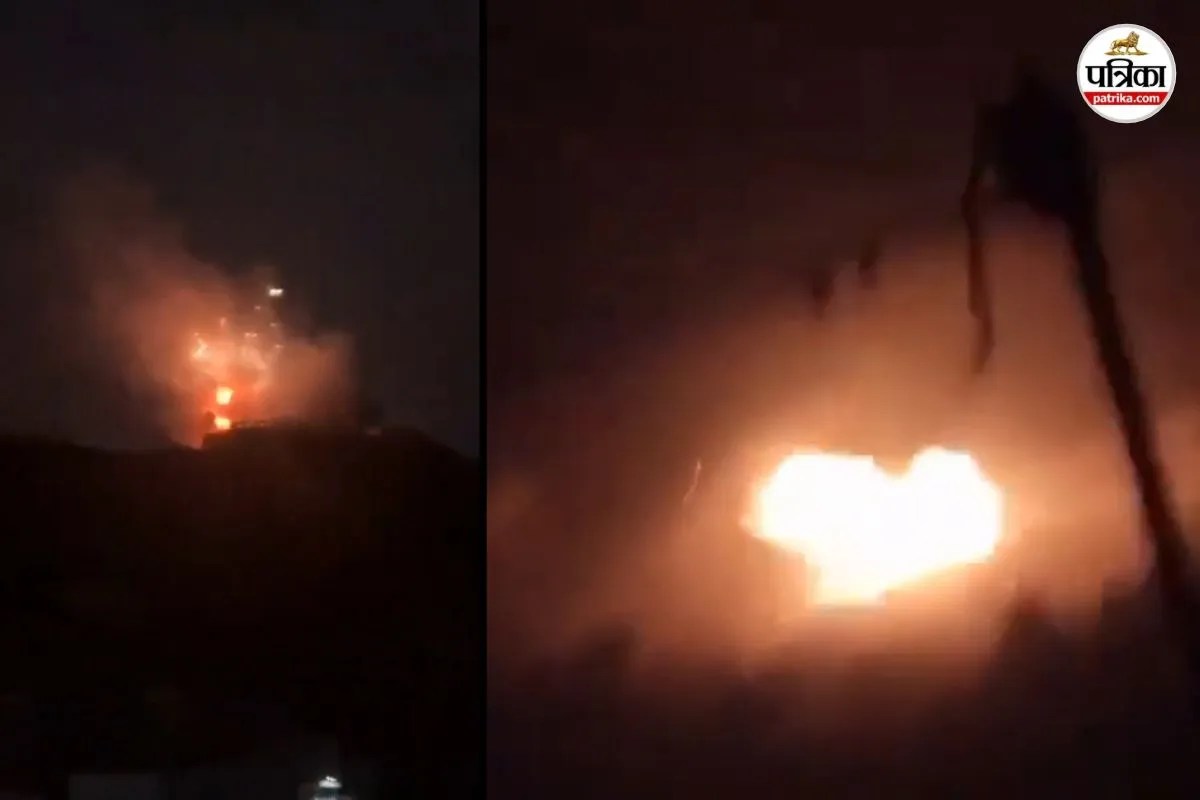
When an airstrike hits a telecommunications building in Hodeidah, the shockwaves travel far beyond broken glass and twisted steel. Early reports out of Yemen's Red Sea port city pointed to at least four people killed and 18 injured after a strike hit a state telecommunications facility on November 23, 2026. Subsequent local reports pushed casualty figures higher as rescue crews worked through the debris.
Let's be honest. Basic wire-service recaps barely scratch the surface of what just happened. They list a death toll, name the city, note that Houthi-run media blamed Saudi Arabia, and move on. If you found value in this post, you should read: this related article.
That isn't enough if you want to understand why this matters. Hodeidah isn't just another coastal town. Knocking out communication nodes in a place like this hits aid workers, families, shipping coordination, and emergency response all at once.
What Happened in Hodeidah and Why Details Remain Contested
Early accounts on November 23 reported four deaths and 18 injuries at a Telecommunications Corporation building in Hodeidah. Houthi-affiliated outlets attributed the strike to Saudi forces. As emergency teams sifted through collapsed sections and additional strikes were reported across other areas, conflicting toll numbers circulated quickly. For another angle on this event, check out the recent update from Reuters.
In active conflict zones, early numbers move fast. Often, they're wrong. Rescue workers pull people from rubble hours after the initial count, and officials on different sides push narratives that fit their own strategic goals. Independent verification on the ground in Yemen has been notoriously difficult for years, so treating any single preliminary toll as set in stone is a mistake.
Still, one thing is clear. The telecommunications building in Hodeidah sits right in the middle of a renewed military surge. Just days earlier, on November 20, the Saudi-led coalition announced strikes targeting Hodeidah port sites accused of handling weapons and missile transfers. Escalation breeds escalation, and civilians pay the bill first.
Why Telecom Infrastructure Is a High-Stakes Target
If you've ever tracked modern conflicts, you know comms towers and switching centers aren't random targets. They're nervous systems.
When a telecom hub goes dark in a port city like Hodeidah, a chain reaction starts immediately:
- Humanitarian coordination stalls: Aid agencies rely on phone lines and data links to track shipments, move staff, and verify needs on the ground.
- Families lose contact: Relatives inside Yemen and abroad can't check whether loved ones survived a strike or made it to a clinic.
- Emergency dispatch slows down: Ambulances and civil defense teams need reliable communications to reach the right streets fast.
- Information gets murky: Without steady connectivity, rumors fill the vacuum while verified updates dry up.
There's also a military logic at play, even when it's hotly disputed. Belligerents frequently argue that dual-use infrastructure carries tactical value, while critics and international observers warn that striking essential civilian networks inflicts disproportionate harm on everyday residents. Under international humanitarian law, protecting civilians and weighing military necessity against civilian harm remain central—and fiercely contested—standards whenever infrastructure is hit.
In protracted wars, breaking how people communicate often hurts daily survival almost as much as physical blockades.
The Bigger Picture Behind Renewed Fighting in Yemen
Yemen's conflict stretches back to late 2014, when Houthi forces seized Sanaa and large parts of the north, triggering a Saudi-led military intervention in 2015 to back the internationally recognized government. Years of fragile truces, stalled diplomacy, and flare-ups have kept the country locked in grind-it-out misery.
Late November 2026 brought a sharp reminder that calm in Yemen is always fragile. Reports of strikes in Hodeidah came alongside fighting and raids reported elsewhere, including areas tied to Sanaa, Taiz, and Saada, plus cross-border friction. Meanwhile, broader maritime and regional tensions around the Red Sea and Gulf waterways keep outside powers on edge.
When you look closely at coverage from outlets like Xinhua and regional trackers, you notice a pattern. Each strike gets reported as an isolated headline. Four dead here. Ten or seventeen reported there. Taken together, though, these incidents show how quickly localized flare-ups can unravel fragile lifelines.
Common Misconceptions When Reading Conflict Headlines
Most readers skim war news in seconds. That's totally understandable—there's a lot of noise out there. Still, a few habits trip people up:
- Treating initial casualty counts as final: First reports are snapshots, not audited ledgers. Always check updates over 24 to 72 hours as rescue operations and hospital tallies settle.
- Assuming every claim is independently proven: When one side blames another for a strike or gives a specific toll, look for corroboration or note explicitly where independent verification is lacking.
- Ignoring infrastructure impacts: A building isn't just bricks. Ask what service that facility ran—water, power, port logistics, or telecommunications—because secondary effects often last months.
Practical Ways to Follow the Situation Accurately
If you're tracking this story for research, policy work, or personal awareness, don't rely on a single sensational clip or social media thread. Cross-check multiple wire services and humanitarian briefings over time, paying close attention to dates and whether claims come from local authorities, coalition statements, or independent monitors. Watch how service restoration—or prolonged outages—affects Hodeidah and surrounding districts in the coming days, since connectivity often tells you more about real conditions on the ground than a two-line alert ever will.