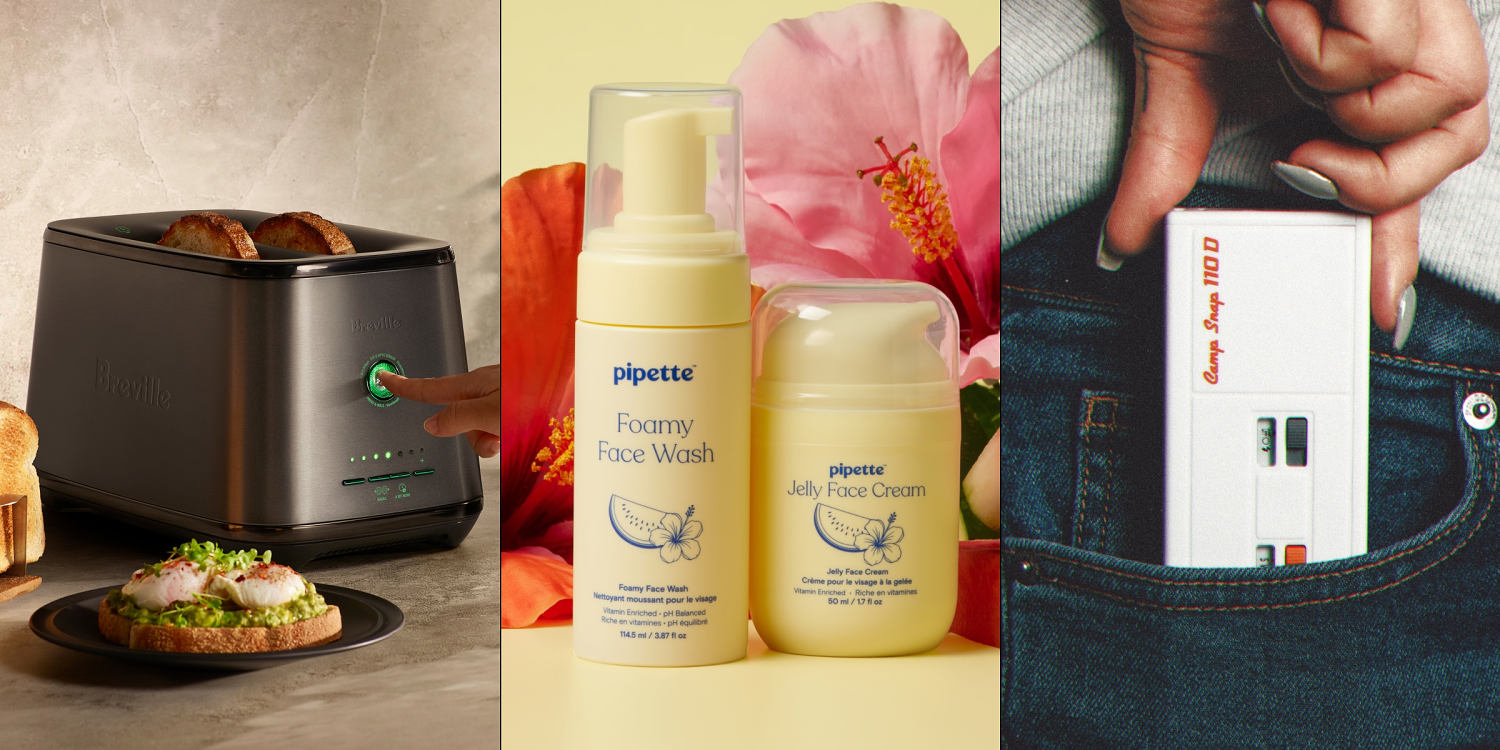
Every single month, media outlets flood the internet with astronomical lists claiming to feature dozens of the best new products shopping experts are buzzing about. These sprawling catalogs of consumer goods follow a predictable, algorithmic rhythm. They promise salvation in the form of a better kitchen gadget, a revolutionary skincare serum, or an indispensable desk accessory. Yet beneath the shiny veneer of curated commerce lies a transactional fatigue. Consumers are beginning to realize that when everything is marketed as a must-have breakthrough, nothing actually is.
The machinery behind these roundups is rarely mysterious. Editorial desks, pressured by affiliate revenue quotas and search engine optimization metrics, churn out volume. They aggregate items from press releases, trade shows, and manufacturer pitches long before any human reviewer has lived with the object for more than an hour. The term shopping expert has become an elastic designation, stretching to fit anyone willing to compile a spreadsheet of buy links.
This model relies entirely on manufactured urgency. If you do not purchase this month's batch of eighty-six essential upgrades, your daily routine will supposedly remain substandard. The reality on the ground is starkly different. Most of these items are iterative tweaks to existing goods, designed to stimulate spending rather than solve genuine problems.
Consider the economics of modern retail curation. Manufacturing supply chains have accelerated to keep pace with digital trends. A micro-trend peaks on social media platforms, brands rush to supply white-label goods to meet the surge, and publishers race to capture the transactional traffic. The result is a cycle of obsolescence where items are obsolete before they even arrive on a doorstep.
Dissecting the actual utility of these hyped goods reveals a troubling pattern. A significant percentage of heavily featured items belong to the category of solution looking for a problem. They feature sleek matte finishes and clever marketing copy, but their actual structural integrity or functional longevity fails under regular use. When an investigative look is applied to these viral product lists, the retention rate of the items tells the real story. Most end up in donation bins or landfill channels within six months.
The fatigue extends beyond consumer wallets. It touches on the psychological weight of constant consumption. Every notification, newsletter, and banner ad insists that personal optimization is just one purchase away. This relentless push creates an invisible anxiety. People feel perpetually behind, as if their homes and habits are inadequate because they lack the latest temperature-controlled mug or smart-fabric loungewear.
Journalists and analysts who track retail trends note a subtle shift in buyer behavior. Skepticism is rising. Long-form product testing, where a device or tool is used for months through changing seasons and genuine wear-and-tear conditions, is reclaiming its value. People want to know what breaks first, not just what looks good in a stylized studio photograph.
To break free from this cycle requires a deliberate recalibration of how we evaluate value. True quality rarely arrives in batches of ninety-six per month. It emerges slowly, born from manufacturers who focus on durability, repairability, and genuine utility rather than marketing hooks.
The next time a massive compilation of monthly breakthroughs crosses your screen, pause to ask what problem it is actually solving. More often than not, the answer is silence. The best purchase is frequently the one you decide not to make, saving your resources for things that genuinely improve your daily existence over years, not weeks.