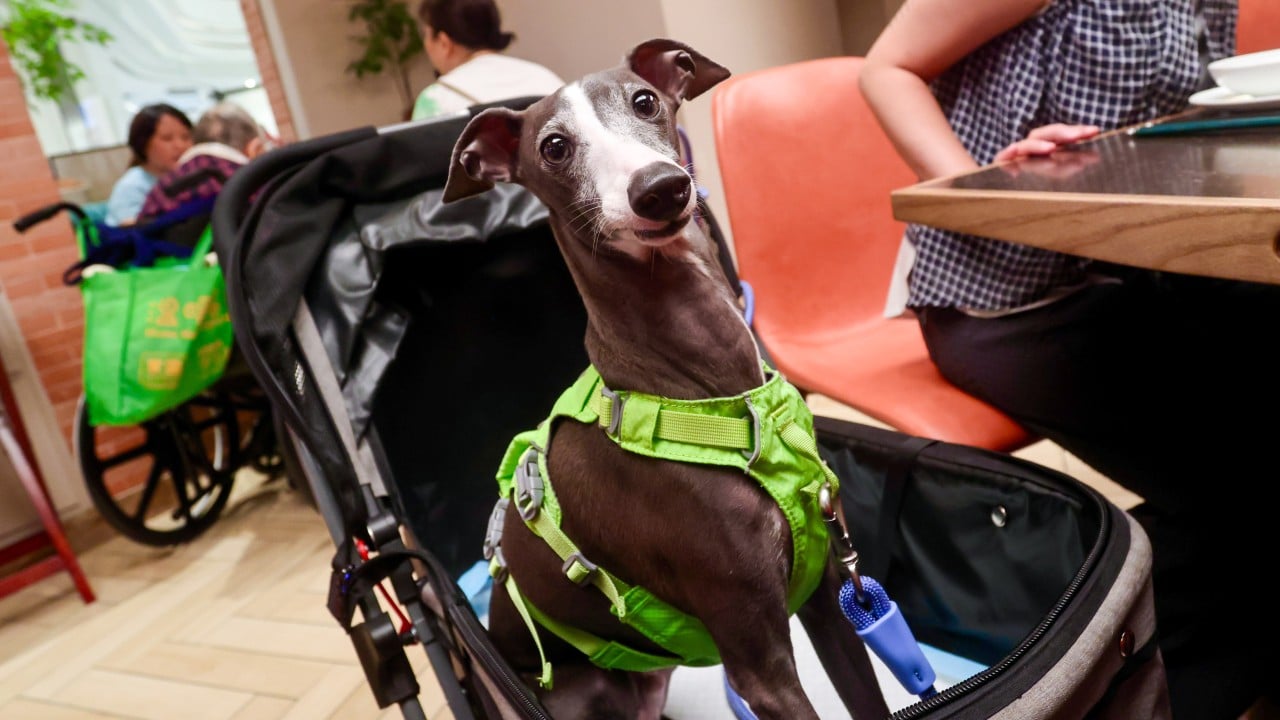
More than 900 Hong Kong restaurants officially welcomed dogs on the first day of the city’s new pet-licensing scheme, marking a massive shift in public dining policy. The regulation overhaul allows licensed food premises to permit pets in designated dining areas, reversing decades of strict hygiene prohibitions that kept animals entirely out of indoor eating spaces. While pet owners celebrate this newfound freedom, restaurant operators face complex regulatory hurdles, insurance liabilities, and immediate operational adjustments to keep their licenses intact while balancing the comfort of non-pet-owning patrons.
For decades, Hong Kong's Food and Environmental Hygiene Department enforced an uncompromising barrier between public eateries and domestic animals. Section 10B of the Food Business Regulation was unequivocal: live animals had no place where food was served, barring guide dogs for the visually impaired. Restaurant owners caught turning a blind eye faced steep fines and potential license revocation. The legal framework forced thousands of pet owners into an awkward dance, tying leashes to street railings while darting inside to pick up takeaway, or clogging narrow outdoor footpaths at makeshift pavement cafes.
The new licensing scheme changes the mechanics entirely.
Instead of a blanket prohibition, the government created an opt-in framework. Operators must secure explicit approval, satisfy distinct ventilation standards, and establish clear physical boundaries separating pet-friendly zones from primary kitchen pass-throughs. The rapid intake of over 900 venues on day one proves that commercial demand was never the problem. High density, elevated disposable income, and sky-rocketing rates of pet ownership made the old restrictions economically outdated.
Yet the speed of adoption masks deep operational friction underneath the surface.
Running a high-volume venue in one of the densest cities on earth is already a exercise in spatial control. Throw unpredictable animals into tight floor plans, and the margin for error shrinks to zero.
Consider a packed dining room in Soho during a Friday night dinner rush. A server carrying a tray of hot soup trips over a hidden leash stretched across an aisle. Under the updated legal framework, liability does not rest solely on the pet owner. Restaurant management bears a heavy duty of care to maintain safe thoroughfares. Commercial insurers across the region are rushing to update policy language, introducing higher premiums and strict exclusion clauses for animal-related incidents, bites, or property damage.
Beyond safety lies the volatile issue of sanitation.
Food safety inspectors will not relax their standards simply because an establishment holds a pet license. A single instance of contamination, or an unaddressed pet accident on dining room tiles, can trigger immediate suspension. Kitchen staff must follow rigid protocols, preventing cross-contamination between food preparation zones and pet-designated dining areas. Floor managers are finding themselves forced into entirely new roles, acting as arbiters between enthusiastic pet owners and paying customers who prefer their meals without a side of dog hair or sudden barking.
The economic math behind the decision is equally complex.
| Operational Factor | Standard License Venue | Pet-Licensed Venue |
|---|---|---|
| Foot Traffic Potential | Limited to standard diners | Higher; captures growing pet-owner demographic |
| Average Dwell Time | Predictable table turnover | Extended table turnover per customer group |
| Insurance Premiums | Standard commercial rate | Elevated due to liability risk |
| Sanitation Overhead | Standard daily cleaning protocols | Frequent deep cleaning and specialized sanitizers |
A restaurant floor that allocates 30 percent of its seating to pet owners must generate enough additional revenue to offset the loss of patrons who prefer traditional dining environments. Some customers actively avoid pet-friendly venues due to severe allergies or simple preference. Operators cannot afford to lose their core weekday lunch crowd to cater to a weekend pet demographic.
The rollout also exposes a broader urban infrastructure problem. Hong Kong’s public transport system remains largely restricted to service animals. Pet owners who want to visit a newly licensed restaurant across town often face limited options on the MTR or public buses, forcing them into private vehicles or ride-hailing services willing to transport animals. The restaurant policy has outpaced the surrounding urban transport ecosystem.
This legislative shift represents a major commercial experiment in urban living. Success will not be measured by how many hundreds of restaurants sign up during the initial promotional wave. It will be decided in six months, when the initial novelty fades, insurance claims roll in, and operators calculate whether the extra foot traffic outweighs the added operational stress.
Navigating this transition requires precise execution from operators. Venue managers must train frontline staff to enforce strict behavioral rules without alienating patrons. Floor plans need intelligent redesigns rather than hasty table adjustments. Clear signage, dedicated sanitation stations, and non-negotiable leash policies are no longer optional extras. They are the baseline cost of staying afloat in Hong Kong's new dining landscape.