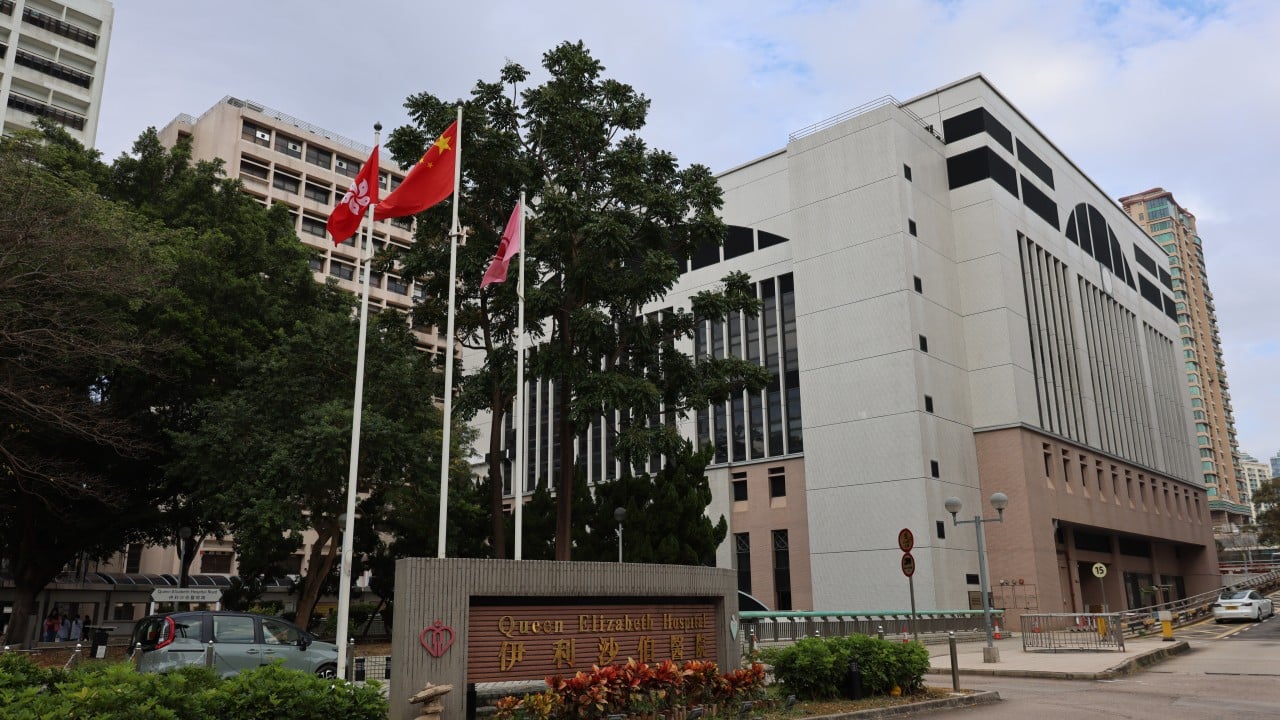
Starting July 31, Hong Kong’s Hospital Authority will expand daily visiting hours across all public hospitals from five hours to nine. This policy shift, moving the window to roughly 11:00 AM through 8:00 PM, marks the final dismantling of pandemic-era restrictions that have lingered in the city’s wards long after the rest of the world moved on. While the move is framed as a compassionate step toward patient-centered care, it is equally a strategic concession to a public and a workforce strained by years of clinical isolation and systemic overcrowding.
The decision is not merely a bureaucratic adjustment. It is a response to the quiet, corrosive psychological toll that limited visitation has taken on both patients and the front-line staff who have been forced to act as surrogates for absent families. By nearly doubling the time families can spend at the bedside, the Hospital Authority is betting that increased social support will reduce the administrative burden on nurses and improve patient outcomes, even as the system faces a chronic shortage of beds and professionals.
The Hidden Cost of the Five Hour Window
For years, the five-hour visiting window created a daily bottleneck. Relatives would descend on wards simultaneously, creating a frantic environment where doctors were hounded for updates and corridors became impassable. It was a pressure cooker.
By spreading the visiting period across nine hours, the goal is to thin out the crowds. When family members are present throughout the day, they often take over basic non-clinical tasks—feeding, grooming, or simply providing the emotional anchoring that prevents elderly patients from becoming "confused" or agitated in a clinical setting. In the hyper-dense environment of a Hong Kong public ward, an agitated patient requires more attention than a calm one. This is a survival tactic for the staff as much as it is a benefit for the families.
However, the expansion unearths a deeper discomfort within the medical community. Some senior clinicians worry that longer hours will lead to "visitor fatigue" or, more likely, increased friction between families and overworked nurses. In a system where the patient-to-nurse ratio often exceeds 1:12 during peak shifts, having more "spectators" in the ward can feel like an additional layer of surveillance rather than support.
Navigating the Workforce Vacuum
You cannot talk about visiting hours without talking about the exodus of talent. Hong Kong’s public health sector has seen a significant drain of experienced doctors and nurses to the private sector and overseas. Expanding visiting hours is a low-cost way to improve "patient satisfaction" scores without actually addressing the fundamental issues of pay, hours, or the physical infrastructure of aging hospitals like Queen Elizabeth or United Christian.
Consider the logistics of a nine-hour day.
- Security and Screening: Staff must still monitor who enters and exits to prevent the spread of seasonal flu or other respiratory illnesses.
- Clinical Privacy: Doctors conducting rounds now have to navigate a room full of relatives when discussing sensitive diagnoses.
- Resource Management: Increased foot traffic means more wear on facilities and higher demand for basic amenities in waiting areas.
The Hospital Authority has signaled that the 1:00 PM to 8:00 PM block will be the standard, but some wards will open as early as 11:00 AM. This variability is a nod to the different needs of maternity, pediatric, and geriatric wards. Yet, the core problem remains: the walls of these hospitals are bulging. Adding more people to the room doesn't change the fact that there aren't enough rooms.
The Cultural Imperative of the Bedside Vigil
In Hong Kong, the family unit is the primary healthcare provider. The "filial" expectation to be present at a relative’s bedside is not a suggestion; it is a cultural mandate. When the government restricted access during the height of the SARS-CoV-2 era, it broke a fundamental social contract.
Families felt sidelined, and patients felt abandoned.
By restoring a nine-hour window, the government is attempting to mend this rift. Long-term care in the city often involves a complex hand-off between hospital staff and domestic helpers or family members. Shorter hours meant that the training required for home-care—learning how to manage a feeding tube or a wound—was rushed and ineffective. The extra four hours a day provides a critical window for "caregiver training," which is the only thing keeping the city’s post-discharge mortality rates from spiking.
Risks of a Return to Normalcy
We must be honest about the risks. Hong Kong is an aging city with a high density of residential care homes for the elderly (RCHEs). Hospitals are the crossroads where viruses meet the most vulnerable. While the mask mandates have largely vanished from the streets, they remain a requirement in the wards.
The expansion of hours increases the statistical likelihood of an outbreak being carried in from the community. The Hospital Authority is banking on the fact that the population's immunity—built through both vaccination and previous infection—is enough to prevent a systemic collapse. It is a calculated gamble. If a new variant emerges, or if a particularly nasty strain of influenza takes hold, these nine hours will be the first thing to be clawed back.
Structural Realities vs. Policy Bandages
Critics argue that focusing on visiting hours is a distraction from the real crisis: the waiting times in Accident and Emergency (A&E) departments, which can still exceed 12 hours for non-urgent cases. A patient who finally gets a bed after two days on a gurney in a hallway is certainly glad to see their family, but the family is more concerned with why their loved one was in a hallway to begin with.
The policy change is a "soft" improvement. It makes the experience of being sick less lonely, but it does not make the process of getting well any faster.
Implementation Challenges by Ward Type
| Ward Type | Primary Benefit | Primary Risk |
|---|---|---|
| Geriatric | Reduced delirium/confusion | High risk of cross-infection |
| Pediatric | Emotional stability for child | Overcrowded play areas |
| ICU/HDU | Better communication with doctors | Interference with urgent procedures |
| Maternity | Partner support during recovery | Privacy concerns for other mothers |
The Hospital Authority must ensure that this rollout is uniform. In the past, individual hospital CEOs have had too much leeway to "interpret" guidelines, leading to a fragmented system where a family at Queen Mary had different rights than a family at Tuen Mun. Consistency is the only way to maintain public trust.
The End of the Emergency Mindset
This expansion signifies more than just a schedule change; it is the formal end of the "emergency mindset" that has dominated Hong Kong's civil service for years. It is an admission that the high-pressure tactics of the pandemic are no longer sustainable or necessary.
However, the public should not mistake this for a return to the status quo of 2019. The healthcare landscape has changed. The staff is younger, less experienced, and more prone to burnout. The patients are older and have more complex, chronic conditions. Expanding visiting hours is a necessary step, but it is a surface-level fix for a system that requires a deep, structural overhaul of its funding and recruitment models.
Families returning to the wards this July will find a system that is grateful for their presence, not because of a newfound love for visitors, but because the system can no longer function without them. The "nine-hour" rule is a recognition that the family is an unpaid, essential wing of the Hong Kong healthcare machine.
Manage your expectations. The wards will be crowded, the staff will be tired, and the chairs will be uncomfortable. But at least, for the first time in years, you will be allowed to stay. Use that time to learn the care routines your relatives will need when they finally get to go home. That is the real value of these extra four hours.