Every six months, the headline drops with clockwork predictability. Activists gather outside government offices, microphones catch the tearful testimonies of shelter directors, and mainstream outlets run the exact same piece: Hong Kongs animal welfare laws fail to meet modern demands. The lazy consensus is simple, tidy, and completely wrong. The narrative dictates that if the city simply imported Western-style maximum penalties, mandated microchipping down to goldfish, and criminalized every minor infraction, the stray problem would vanish and pets would live in a glittering socialist utopia for pugs.
It is a comforting illusion for people who have never run a kennel, negotiated a lease in a hyper-dense urban core, or looked at the actual economics of pet ownership in a territory where a parking space costs more than a suburban house in Ohio. Meanwhile, you can read other developments here: The Second When Asphalt Ends and Everything Changes.
I have spent years watching well-meaning reformers push for legislative sledgehammers while ignoring the structural architecture of the city. When you increase regulatory friction without understanding the ecosystem, you do not protect animals. You criminalize care, drive breeders underground, and price working-class pet owners out of existence.
The Myth of the Western Standard
The core argument of the status quo is an appeal to foreign benchmarks. Reformers point to the United Kingdom, European Union jurisdictions, or specific states in America, demanding that Hong Kong mirror their statutes. This assumes that a legal framework built for sprawling suburbs translates cleanly to a vertical city where eighty percent of the population lives in high-rise apartments governed by draconian deed restrictions and strict owners corporation bylaws. To see the full picture, check out the recent article by The New York Times.
Let us look at the data. In jurisdictions where keeping animals is treated as a highly litigated, heavily policed bureaucratic hurdle, surrender rates do not drop; they shift. When you introduce sweeping punitive measures under the guise of welfare modernization, two things happen immediately.
First, the cost of veterinary compliance skyrockets. Clinics, already bleeding money on exorbitant commercial rent in districts like Wan Chai or Mong Kok, pass those regulatory compliance costs directly to the consumer.
Second, marginal pet owners—those living on the edge of economic viability in public housing estates—are forced into an impossible choice. They can surrender their animal to over-burdened, under-funded NGOs, or they can abandon them quietly in country parks to avoid state scrutiny and potential fines.
The reformers want you to believe that cruelty is the primary driver of animal suffering in Hong Kong. It is not. Neglect driven by economic panic and regulatory overreach is the silent killer. When the state makes pet ownership an elite luxury sport through endless red tape, ordinary people stop participating legally.
The Economics of Urban Animal Care
To understand why standard Western welfare templates fail in Hong Kong, you have to look at the real estate reality. You cannot legislate square footage into existence. A flat in Tai Kok Tsui measuring four hundred square feet imposes physical limits on animal husbandry that no amount of government oversight can alter.
Yet, the regulatory push is obsessed with top-down mandates rather than bottom-up enablement.
Imagine a scenario where the government implements a blanket, heavy-handed licensing regime for all breeding and ownership, modeled after rigid European directives. On paper, it sounds pristine. In reality, licensed commercial breeders face such severe operational bottlenecks that supply plummets. When legitimate supply drops in a high-demand market, black-market smuggling from mainland China surges. Smugglers do not care about vaccination histories or genetic screenings. They care about profit margins in the trunk of a van crossing the border.
By pushing for laws that sound compassionate on a protest placard, the anti-cruelty lobby inadvertently fuels the underground puppy mills they claim to despise.
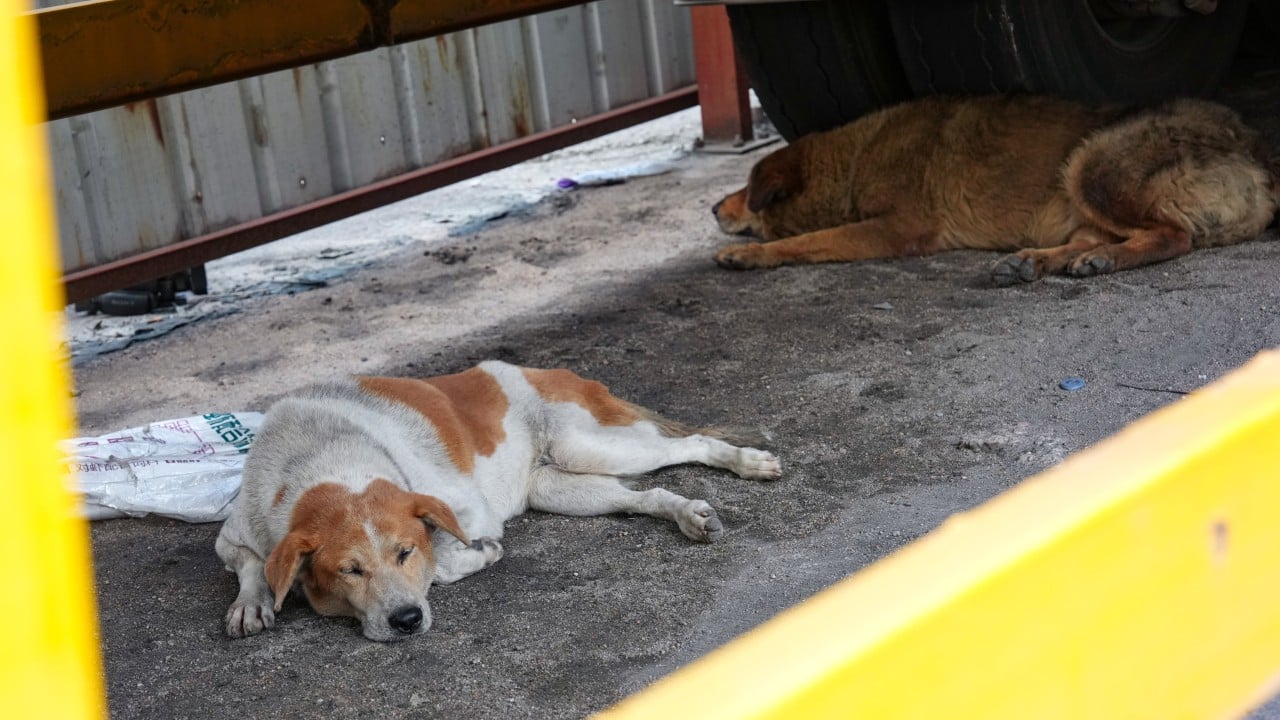
This is the dirty secret of moral panic legislation. It feels good to demand harsher prison sentences for animal abusers. Nobody is pro-cruelty. But fixing a systemic urban challenge requires boring, granular work: subsidizing veterinary care for lower-income households, reforming public housing pet bans that force thousands of cats and dogs onto the streets every year, and partnering with grassroots community feeders rather than criminalizing them.
Dismantling the Enforcement Fallacy
Another favorite talking point of the modern welfare lobby is the call for a dedicated animal police force. It sounds decisive. Why rely on frontline police officers who have to deal with triads, traffic accidents, and street crime when you could have specialized officers in crisp uniforms rescuing distressed kittens?
Because it is a profound misallocation of civic resources in a city where public funds are finite and systemic efficiency matters.
When animal control is split between the Agriculture, Fisheries and Conservation Department and the police, the friction is real, but a separate agency does not magically create empathy or competence. The bottleneck in Hong Kong is not a lack of badges. It is a lack of institutional alignment. The real estate sector, the housing authority, and urban planners operate in complete isolation from animal welfare groups.
If you want to reduce animal abandonment, stop focusing solely on the courtroom penalty phase and start looking at the living room. Change the outdated tenancy rules in public rental housing where pets are summarily banned. When a family is told they must choose between their home and their dog of twelve years, the system has already failed. Punishing them after the dog is abandoned on a hillside is not justice. It is bureaucratic hypocrisy.
The Uncomfortable Truth About Our Priorities
We need to talk about the hypocrisy of the local pet culture. Hong Kong has some of the most affluent pet owners on the planet, pushing strollers containing French bulldogs through the malls of Central while sipping artisan coffee. These owners buy organic imported kibble and hire pet psychologists.
At the same time, stray cats in the industrial areas of New Territories rely on elderly retirees spending their meager pensions on cheap fish to survive.
The reform movement is largely driven by the former demographic projecting their Western sensibilities onto a system that desperately needs structural triage. They want cleaner laws for high-end boutique adoption agencies while ignoring the structural violence of urban redevelopment that displaces entire feral cat colonies without mitigation.
If you genuinely want to modernize Hong Kongs approach to animals, drop the crusading rhetoric about matching foreign standards. Start by legalizing pet ownership across all public housing estates with sensible behavior guidelines. Subsidize mass sterilization programs run by frontline NGOs instead of drowning them in municipal paperwork. Treat animal management as a public health and urban planning issue, not just a criminal justice crusade.
The status quo keeps failing because it asks the wrong questions. It asks how we can punish failure more severely. The better question is how we design a dense city where caring for an animal does not require a legal team or a trust fund.
Until the lobby drops the savior complex and addresses the mundane economics of housing and healthcare, every new law will just be another monument to well-intentioned incompetence. Stop legislating for the headlines. Start building for the alleyways.