When a hospital elevator fails, the stakes aren't just about delayed appointments or minor inconveniences. They are about life and death. Patients on stretchers, vulnerable seniors, and emergency medical personnel rely entirely on vertical transportation systems functioning flawlessly every single second of the day. So when structural and mechanical defects slip past professional inspections, the fallout is devastatingly serious.
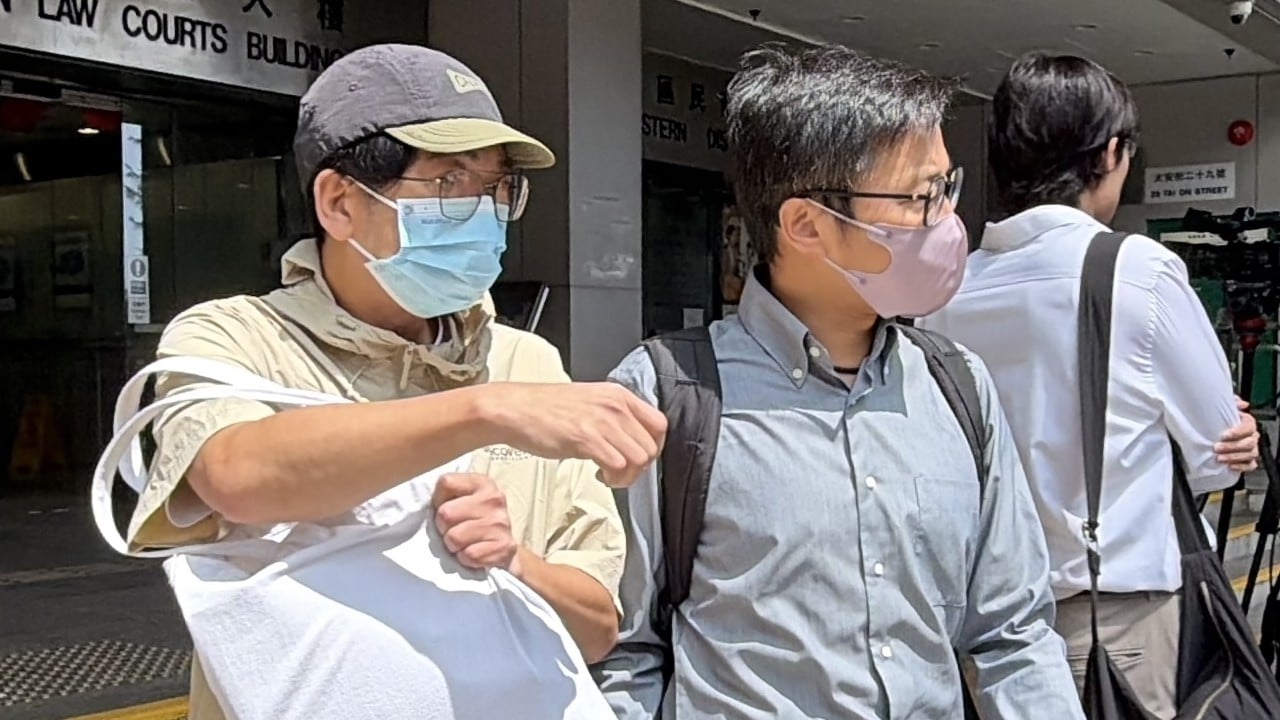
The recent sentencing of an engineer to one hundred sixty hours of community service over lift defects at Queen Mary Hospital puts a harsh spotlight on professional negligence. It forces a very uncomfortable conversation about safety standards, personal responsibility, and what happens when industry professionals cut corners where safety matters most. You can't treat critical infrastructure maintenance like a routine administrative chore. Lives depend on getting every single detail right, every single time.
The Weight of Negligence in Critical Infrastructure
Engineering isn't just about passing exams or signing paperwork. It is an absolute oath to protect human life. Every bolt tightened, every cable inspected, and every safety switch tested carries immense weight. When you design, maintain, or certify critical infrastructure, complacency is an absolute hazard.
Hospitals operate in a league of their own. Unlike commercial office towers where a broken elevator means a frustrating walk down the stairs, a hospital lift failure can block critical patient transfers between floors during surgical emergencies. Lives hang in the balance. That is why regulatory bodies come down so hard on professionals who fail to spot obvious defects or sign off on substandard maintenance work without proper verification.
When oversight breaks down, public trust shatters instantly. People expect hospitals to be sanctuaries of safety. Discovering that a lift carrying vulnerable patients was operating with serious defects shakes that confidence to its core. The community relies on engineers to be the last line of defense against mechanical failure. When that defense fails, courts must step in to reestablish boundaries and signal that professional carelessness has real costs.
Understanding the Real Risks of Lift Defects
Most people step into an elevator, stare at their phones, and never give a second thought to the complex web of pulleys, brakes, electronic sensors, and counterweights keeping them suspended in mid-air. Elevators are among the safest machines ever invented, but that safety is entirely dependent on rigid, uncompromising maintenance protocols.
When a lift develops defects that go unnoticed or uncorrected, disaster lurks just beneath the surface. Unresponsive emergency brakes, worn-out suspension ropes, misaligned doors, or faulty electrical circuits can turn a routine ride into a terrifying ordeal. In a healthcare environment, the risks multiply exponentially. Patients connected to portable life support, intravenous drips, or specialized mobility equipment can't simply jump out if a car gets stuck between floors or experiences an unlevel stop.
Engineers tasked with inspecting these systems hold immense power. They possess the specialized knowledge required to spot micro-cracks, abnormal wear patterns, and failing safety gear long before a catastrophic failure occurs. Ignoring signs of wear or rushing through inspections to hit tight corporate deadlines is an unforgivable betrayal of that professional trust.
The Legal Fallout and Community Service Realities
A sentence of one hundred sixty hours of community service might sound lenient to outsiders who expect heavy prison time for negligence involving public safety. But in professional liability cases, criminal or regulatory penalties carry deep personal and career-shattering consequences.
Beyond the court-mandated hours of unpaid labor, the professional fallout is catastrophic. Licensing boards take strict notice. Employers run rigorous background checks. Reputation, once destroyed by a public negligence conviction, takes years—if ever—to rebuild. For an engineer who spent decades studying math, physics, and structural dynamics, having their professional integrity shredded in a courtroom is a harsh reality check.
Courts weigh several factors when handing down sentences in these cases. They look at the degree of negligence, whether anyone was actually injured, the potential risk posed to the public, and the offender's level of remorse and cooperation. While no one suffered fatal injuries in the Queen Mary Hospital incident, the potential for catastrophe was unacceptably high. The punishment reflects not just the physical damage done, but the reckless disregard for human safety demonstrated by the oversight.
Why Maintenance Culture Needs an Immediate Overhaul
The entire building services sector suffers from systemic pressures that breed cutting corners. Budgets get slashed. Schedules get compressed. Maintenance teams face impossible workloads, forcing them to rush through comprehensive safety checks just to meet aggressive corporate key performance indicators.
This toxic corporate culture must change immediately. When profit margins take priority over preventative maintenance, human lives become collateral damage. Companies employing engineers and technicians need to foster an environment where safety concerns can be raised without fear of retaliation or job loss. If an inspector spots a worn cable or a faulty brake controller, they need the administrative backing to shut the system down immediately, regardless of how much downtime it causes the facility.
Training programs also need a radical revamp. Too many professionals treat inspections as a mindless exercise in ticking boxes on a clipboard. They go through the motions, sign the form, and collect their pay. Educational institutions and professional associations must drill into every new engineer that safety audits are active, critical investigations, not bureaucratic paperwork.
The Broader Impact on Public Institutions
Public confidence in government buildings and healthcare facilities depends heavily on visible competence. When a major hospital faces a scandal involving faulty elevators, taxpayers and patients start questioning what else might be broken behind the scenes. Are the fire suppression systems up to code? Is the backup generator actually tested regularly? Does the water filtration system meet safety standards?
A single engineering failure creates a ripple effect across the entire institution. Hospital administrators find themselves spending valuable time dealing with public relations fallout, regulatory inquiries, and emergency audit procedures instead of focusing on patient care.
Restoring that trust requires absolute transparency. When defects are discovered, hospitals and regulatory bodies must communicate clearly with the public about what went wrong, who was held responsible, and what steps are being taken to prevent recurrence. Sweeping maintenance failures under the rug only invites future disasters.
Raising the Bar for Professional Accountability
Holding individuals legally accountable for professional negligence sends a powerful shockwave through the engineering community. It serves as a stark reminder that professional stamps and signatures carry legal weight. You can't simply sign off on safety certifications without verifying the underlying facts.
Industry associations need to implement stricter peer-review processes. Relying solely on a single inspector's sign-off without secondary verification is a glaring loophole that allows substandard work to slip through the cracks. Implementing dual-signature requirements for critical infrastructure inspections can catch oversight errors before equipment goes back into active service.
Furthermore, whistleblower protections must be strengthened across the board. Maintenance workers and junior engineers who witness negligence or pressure to falsify safety reports should have safe, confidential channels to report violations without risking their livelihoods. Without these protections, fear will always override safety.
The Hidden Pressures Facing Facility Engineers
Facility engineers often work behind the scenes in high-stress environments. They manage aging equipment, tight operating budgets, and endless demands from building occupants. When a lift breaks down, the pressure to get it running quickly is immense. Hospital staff complain about delays, management worries about operational bottlenecks, and technicians are pushed to find quick fixes rather than root-cause solutions.
This pressure creates a dangerous breeding ground for shortcuts. An engineer might feel compelled to sign off on a marginal repair because waiting for replacement parts means shutting down an elevator bank for days. But giving in to that pressure is where professional ethics collide with harsh reality. A signed certificate of safety is a legal guarantee that the equipment is safe for public use. If it isn't, no amount of management pressure justifies putting signatures on the line.
Navigating these conflicts requires immense moral courage. Engineers must be empowered to say no. Facility management must prioritize safety over convenience every single time, without exception.
Moving Forward With Uncompromising Standards
The Queen Mary Hospital lift defect case serves as a wakeup call for the entire engineering and facilities management sector. It highlights the dangerous human cost of professional complacency and regulatory shortcuts.
Elevators, escalators, and critical hospital infrastructure demand absolute precision and unwavering vigilance. There is zero room for error when human lives are hanging in the balance. Professionals who choose this field accept a solemn duty to protect the public, and courts have made it clear that failing in that duty carries steep consequences.
By tightening inspection protocols, rejecting rushed maintenance schedules, and holding negligent individuals strictly accountable, the industry can rebuild public trust. Safety is never an accident. It is the result of relentless, uncompromising attention to detail every single day.