You step onto the tarmac, sweating through your shirt before you even reach the jet bridge. You assume your flight will leave on time because the sky looks clear and sunny. You are wrong. Hot weather grounds planes. It cancels flights, forces airlines to dump cargo, and ruins vacation plans while you sit in a terminal wondering why heat ruins everything.
Most travelers think heat only matters when thunderstorms roll in. They worry about turbulence or lightning strikes. They ignore the physics of hot air. When temperatures spike, air density drops. That means wings generate less lift. Engines struggle to push enough air through their cores when the ambient temperature climbs past design thresholds. Physics does not care about your tight connection in Chicago. If the air is too thin, the plane stays put.
Let us look at how rising temperatures disrupt travel.
The Physics Problem Plaguing Modern Aviation
Airplanes fly because air flows over their wings to create lift. Cold air is dense, packed tightly with molecules that give wings plenty of bite. Hot air expands. The molecules spread out. Your plane needs a longer runway to get airborne when it is baking outside because the thin air offers less resistance and less lift.
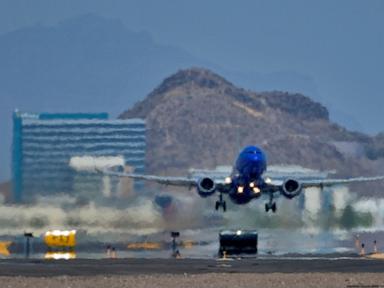
Airports built decades ago didn't account for modern climate realities. Phoenix Sky Harbor International Airport famously grounded dozens of regional flights when temperatures approached 120 degrees Fahrenheit. The maximum operating limits for many commercial jets hover right around that threshold. When the mercury climbs, airlines face a brutal choice. They can wait for the sun to set and the asphalt to cool, or they can start shedding weight.
Shedding weight means pulling passengers off the plane. It means leaving cargo behind or offloading fuel and making an unscheduled refueling stop. You might board your flight, taxi out to the runway, and sit there for an hour while the pilot recalculates takeoff performance data. Sometimes, the computer spits out a red warning. The weight is too high for the current air density. Back to the gate you go.
How Airlines Handle Heat Delays
Airlines hate delays. Delays cost money, disrupt crew scheduling, and trigger passenger compensation rules. When summer heatwaves hit major hubs like Denver, Las Vegas, or Dallas, dispatchers work overtime to manage aircraft weight.
You will notice this happening during peak afternoon heat. Morning flights almost always leave on time because the desert or southern air has had all night to cool down. By two o'clock in the afternoon, the asphalt radiates heat upward, superheating the layer of air the plane needs for takeoff.
Carriers use specific strategies to cope. They restrict ticket sales on certain hot weather routes to keep overall aircraft weight down. They schedule high-temperature routes for early morning or late evening blocks. Regional jets suffer the most because their engines and wing surfaces are smaller, leaving them with very little performance margin when density altitude climbs.
Pilots check the density altitude constantly. Density altitude is pressure altitude corrected for non-standard temperature. If the field elevation is one thousand feet, but the temperature is ninety-five degrees, the plane performs as though it is operating at four thousand feet. Longer takeoff rolls are mandatory. If the runway ends before the plane hits rotation speed, disaster follows. Regulators write strict rules to prevent that exact scenario.
The Global Scope of the Problem
This issue is not limited to the American Southwest. Airports across Europe and the Middle East face identical constraints. High-altitude fields like Mexico City deal with this year-round, but rising global temperatures stretch the danger season across months that used to be safe.
Engine manufacturers like Pratt and Whitney or GE Aerospace build tolerance into their turbines, but thermal efficiency drops as ambient temperatures rise. Fuel burn increases. Maintenance costs escalate because engines run hotter to achieve the same thrust output.
Airports are trying to adapt. Lengthening runways requires massive amounts of capital and real estate that many urban hubs simply do not possess. Planting shade trees around taxiways is impossible. Cooling the tarmac with water systems sounds clever until you factor in water scarcity in arid regions like Nevada or Arizona.
What You Can Do About It
You cannot control the weather. You can change how you book your flights to minimize your chances of getting stranded on a hot tarmac.
Book the earliest flight of the day. Morning air is dense and cool. Airlines rarely face weight restrictions or heat-related ground stops before ten in the morning during summer months.
Choose larger aircraft for routes connecting through hot-weather hubs. Widebody jets and large narrowbody planes handle density altitude challenges much better than regional turboprops or fifty-seat regional jets.
Pack light. If everyone brings heavy bags, the collective weight pushes the aircraft closer to its temperature-restricted limit.
Keep an eye on the hourly forecast for your departure city, not just the daily high. If the temperature is projected to peak right at your departure window, prepare for operational friction. Check your airline app before you leave for the airport so you can spot schedule adjustments early and request rebooking options before you stand in a two-hour terminal line.